What stories are and where the format comes from
Stories is a publishing format in which content is shown as a sequence of vertical slides and disappears after a day. The format was popularized by Snapchat, which launched it in 2013. In 2016 Instagram added a similar feature, and other services followed, including Facebook. The recognizable interface elements — progress bars at the top and round avatars — gradually became a visual symbol of the format itself.
It was precisely this ubiquity that became material for the meme. When the same feature turns up in messaging apps, search services, shopping apps, and even in products outside the internet, users start noticing it in the most unexpected places and turning it into a joke.
Origin of the series
The series of photoshops appeared in 2017, when the stories feature began showing up en masse in products that had nothing to do with social media. The exact author of the first images and the platform where they were first published are not known, so the meme's origin is given only approximately, based on when it spread.
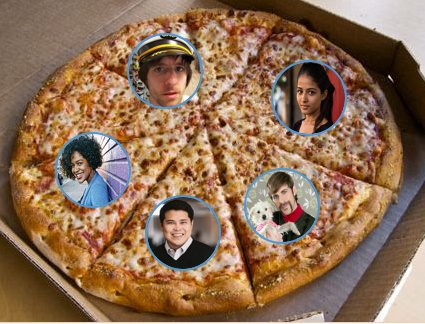
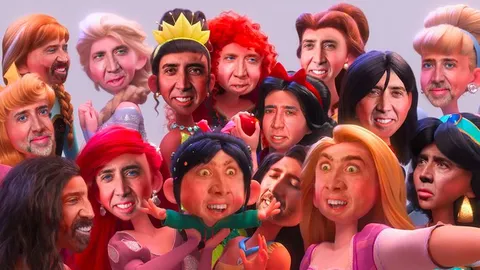
Within the series, objects — gadgets, household items, and, as in one variant, food — get given the stories interface: progress bars, a round avatar, and a short caption appear over the image. In the pizza variant, round frames with photos are placed over each slice, which immediately reads as stories styling.
How the joke works
The humor is built on absurd extension. A feature that makes sense on a social network gets transferred onto things that have no need for it whatsoever. A pizza, for instance, gets round "stories" above each slice, which is both ridiculous and instantly recognizable. This device works because users have long grown used to the stories interface and recognize it instantly even without a caption.
It's worth noting that the joke targets the very principle of features being copied everywhere, not any people shown in the frames. The photos inside the circles here function purely as part of the interface styling, and the meme's point doesn't depend on them.
An internet trend and self-irony
The meme reflected irritation at the relentless copying of features. Companies competed for users' attention, and many added similar mechanics to their products without always thinking through the point of doing so. The photoshops turned this situation into self-irony: instead of serious criticism, they used absurdity that needed no lengthy explanation to be understood.
Jokes like this mostly circulated in communities devoted to design, technology, and internet culture. Users sent each other new variants, suggesting they "add stories" to yet another object, and in doing so kept the series active.
Legacy
Over time the stories format became a standard element of most social networks, and the meme turned from a sharp, recognizable joke into a nostalgic one. The series survives as an example of how interface decisions become the subject of memes. Today it gets mentioned in roundups of 2017 internet trends and is used as a visual joke about the ubiquity of one and the same design.
For an audience that remembers the early years of stories' mass adoption, the meme remains an understandable and warm reminder of how quickly the news feed changed, and of how one good idea could become a shared language for an entire industry.