Origin of the word
The word is tied to the English phrase let's get it, which in casual speech is often said quickly and blurs into something that sounds like "esketit." The meaning roughly matches the Russian "let's grab this" or "let's get on it" — a call to start doing something without wasting time. In American rap, short exclamations like this have long been part of the style, and their repetition creates rhythmic energy.
In Russian phonetic transcription, the spelling "eshkere" emerged. It's usually linked to the influence of American rap, where the phrase and its variants appeared in tracks by young artists. The exact original source and the author of the Russian spelling couldn't be reliably established, so these details should be considered approximate.
Lil Pump's role
American artist Lil Pump, who worked in the mumble-rap and trap-rap style, reportedly used exclamations in his tracks that listeners perceived as Esketit. It was through his tracks that the phrase entered wide circulation and started showing up in music videos, streams, and comments. The artist became one of the notable figures of a movement where short phrases matter more than complex lyrics.
Russian-speaking artists picked up the manner and borrowed the word, giving it their own pronunciation. That's how "eshkere" became a marker of belonging to the modern rap scene and a recognizable piece of slang understood by fans of the genre.
Use among Russian speakers
In Russian slang, the word is used as an exclamation or a call to joint action. People say it before leaving the house, before a trip, or when discussing plans with friends. The meaning barely changes, so the word fits easily into conversation without needing explanation.
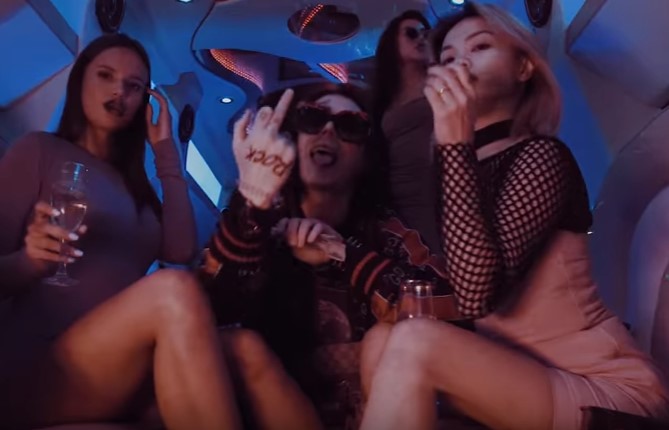
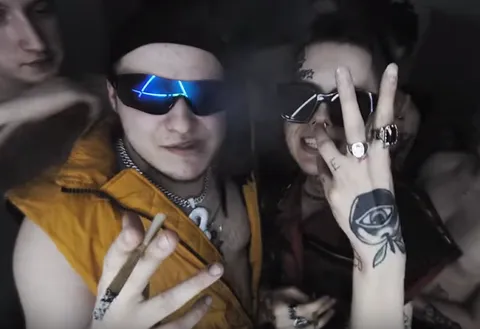
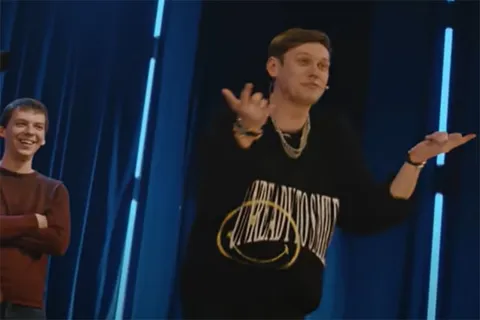
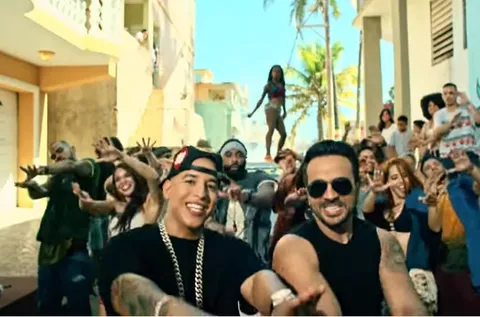
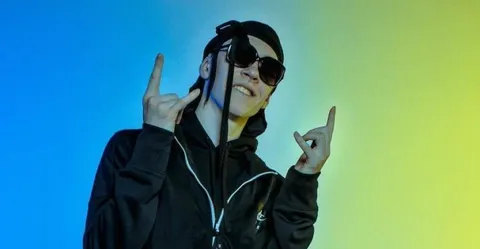
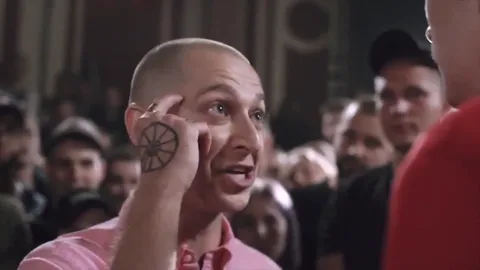
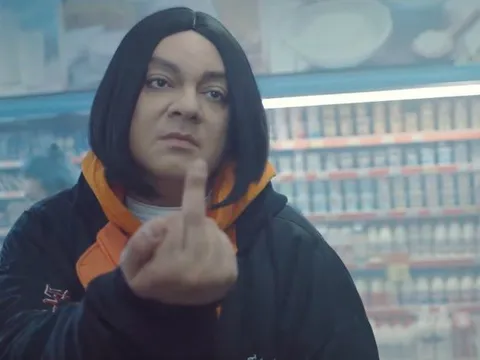
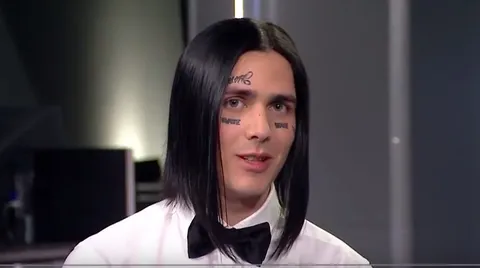
The meme took the form of captions and pictures where a character says "eshkere" with a serious expression. Sometimes the word is paired with stills from music videos showing scenes of parties and leisure. The joke rests on the word itself and its musical context, not on the people pictured.
Significance
Today "eshkere" serves as an example of how English-language slang adapts into Russian and takes on a life of its own in its new context. The word reflects the connection between rap culture and youth communication, and its short form makes it convenient for jokes and reactions.
The word remains a marker of its era: it's a reminder of the wave of trap rap from the late 2010s. That's why in modern usage it's typically deployed with a tinge of nostalgia or irony, marking favorite tracks and shared plans.
It's also worth noting how the word connects to a generation's musical ritual. Phrases like "eshkere" rang out in cars, at house parties, and in recordings of trips taken together, which is how they became part of personal memories. For many users the word still carries a feeling of carefree readiness for adventure. That's exactly why it's understood without translation or explanation, and why its short form makes it so handy for reactions and captions.
The word also shows how slang crosses between genres. It first sounded in English-language rap, then made its way into Russian-language tracks and everyday conversation outside of music. That path is typical for slang that becomes attached to a specific subculture and gradually becomes part of the shared vocabulary.