Where the phrase came from
The phrase is taken from an amateur video that spread on YouTube in the early 2010s and became one of the early examples of Russian-language spoken-word remixes. The genre, known as RYTP, is built on editing: fragments of dialogue are cut up, repeated, and set to music and sound effects. The specific video and its author are not known.
The meaning of the phrase is tied to the image of a gopnik — a street-tough young man who speaks in recognizable slang. In the original speech, lines like this sound like cocky praise for one's own crowd, and it's exactly that tone that became material for jokes. Viewers took it as a parody of a style of speech rather than a serious statement about specific people.
From video clip to slang
Over time the expression moved beyond the video. It came to be used as a mark of approval: when someone does the right thing, backs up a friend, or does something bold, people write this phrase in the comments. It works both ironically and sincerely at the same time, which makes it convenient for messages and image captions.
The phrase also became part of a standing set of quotes from RYTP videos that get repeated after one another in online conversations. Such quotes outlive their original context, and their meaning often shifts, so exact usage depends on the social circle and on whether the other person knows the original video.
Why the phrase became a meme
The key mechanism of the meme is rhythm and repetition. The editing makes the speech musical, and individual words start to feel like a chorus. Thanks to this, the phrase is easy to remember and quote even for people who never saw the original video and know it only secondhand.
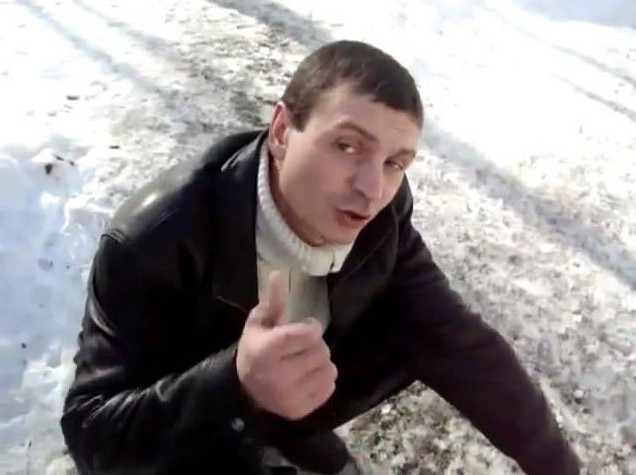
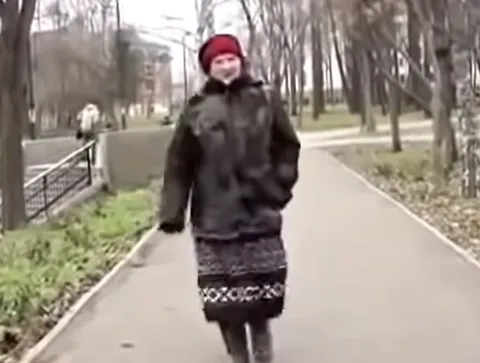
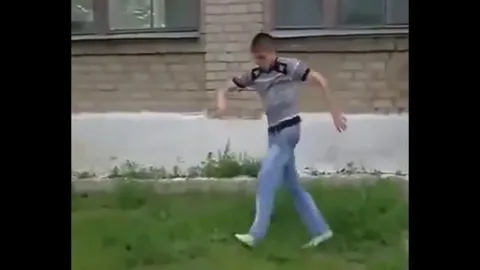
It's worth noting that the meme rests on the sound and the editing, not on mocking a specific person. The illustration most often used is a shot from a street video showing a man in a warm jacket on a snow-covered road gesturing at the camera. This is a private individual caught in amateur footage: the joke targets the manner of speech and the type, not the person.
Cultural context
The image of the gopnik has often been an object of irony in the Russian-speaking internet, from parody videos to joke dictionaries. The meme "these guys are really something" fits into this tradition as an example of how subcultural slang turns into a shared joke. Such jokes are usually ironic rather than mean-spirited, and viewers read them as play with a stereotype.
The extent of the meme's spread hasn't been verified in open sources, so its scale should be discussed cautiously. But the simple fact that the phrase outlived the original video and became slang is telling of how internet quotes work: they get a second life outside their context and become understandable even to a new audience.