What's shown
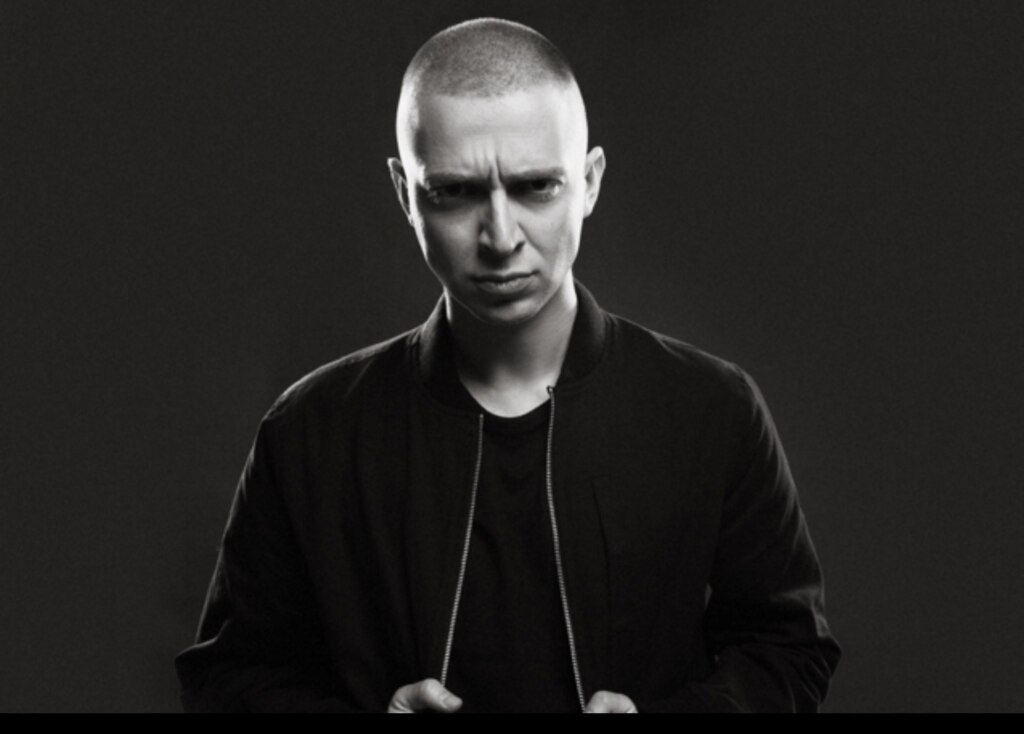
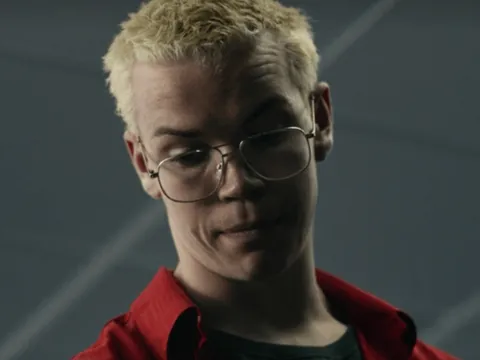
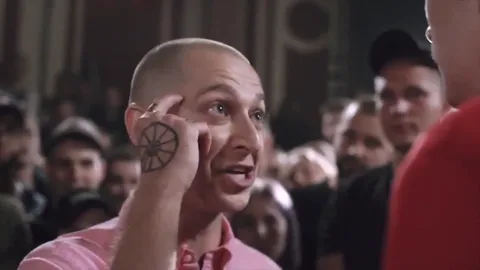
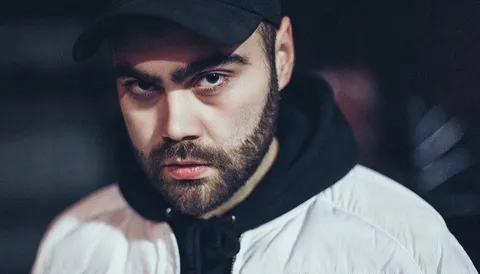
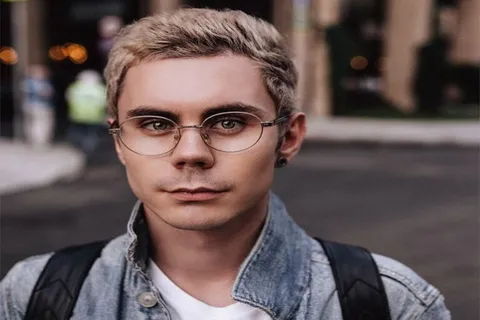
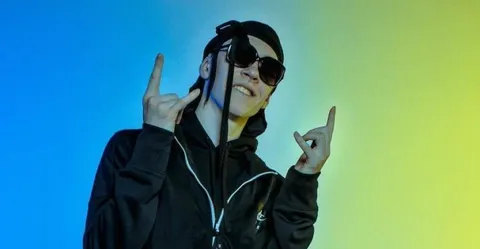
The image is a black-and-white studio portrait of Oxxxymiron: a shaved head, a dark zip-up bomber jacket, a restrained and tense gaze looking straight at the viewer. The background is almost entirely black, so attention is focused on his face and posture. This is the kind of picture that usually accompanies the song's title in community pages and discussions, and its strict, dark style creates a visual contrast with the playful, diminutive title.
Miron Fedorov, known as Oxxxymiron, is one of the most prominent Russian-language rappers of the last decade, and his image in this aesthetic is instantly recognizable to his audience. The meme itself rests less on the image than on the text: viewers recognize the performer from the portrait and connect him with the song, so the photo works as a caption.
The song's history
The track came out on September 14, 2017, and became Oxxxymiron's first new song in a year and a half. The comeback after the break drew attention from fans and the press: the public had been waiting for new material, and the track was quickly being discussed on social media.
The title is a colloquial form of the word "bipolyarka," a shortening of "bipolar disorder." The diminutive suffix "-ochka" gives the term a playful, almost affectionate shade, which sharply contrasts with the seriousness of the clinical diagnosis. It's exactly this wordplay that became the starting point for the meme's further spread.
The song's lyrics deal with the theme of inner mood swings and emotional states, so the title easily turned into a metaphor for abrupt mood changes in everyday speech. Listeners and reviewers interpreted the song differently, but the theme of emotional instability remained at the center of the discussion.
Teenage subculture and spread
Almost immediately after its release, the shortened word "bipolyarochka" began being used by teenagers who listened to Oxxxymiron. In comments, private messages, and posts, the phrase came to describe one's own state: "I've got a bit of a bipolyarochka today" meant a sudden mood swing, a sudden fit of apathy, or a burst of energy.
Such shortenings are typical of youth slang: the word is shorter and easier to say, and its diminutive form helps soften a heavy topic. Small communities formed around this vocabulary, where jokes about one's own mood swings coexisted with discussions of the songs and concerts. For part of the audience, the word became a marker of belonging to the fan community.
Over time, the term moved from the song's context into general slang and continues to be used as a joke, including by people who don't listen to the rapper.
Why the joke works
The meme's main mechanism is contrast. A clinical term tied to a serious mental health condition turns into a soft, almost childlike word. That shift sounds both ironic and intimate at the same time, which is why people readily repeat it when talking about their own emotional instability.
Critics have noted that this kind of usage can trivialize a serious issue and devalue the real experiences of people with bipolar disorder. This debate became part of the meme's history: some saw the word as a way to talk about something difficult with irony, others as a dangerous oversimplification.
The meme also relies on the performer's recognizability. Fans decoded the reference immediately, while for outsiders the word sounded like a puzzling joke, which strengthened the sense of belonging to a narrow circle.
Typical uses
"Bipolyarochka" most often appears in photo captions, status updates, and comments. A typical form is a short statement of one's state: "bipolyarochka all day," "got the bipolyarochka again, don't bother me." Sometimes the word is used as self-deprecating humor after some mishap.
Paired with a portrait of the performer, the caption works as a reference: the picture alone is enough for the viewer to get what's meant, even without any explanation. That's why the image became attached to the song and its title, rather than to any specific episode of the artist's biography.