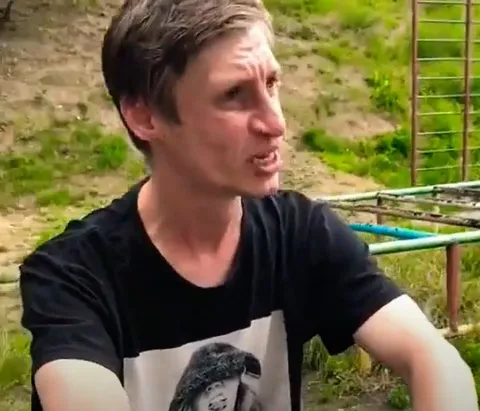
A line from a piece of music
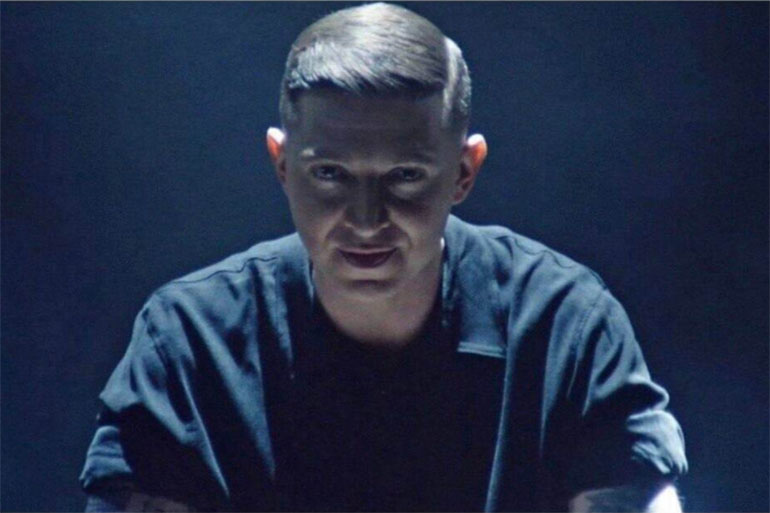
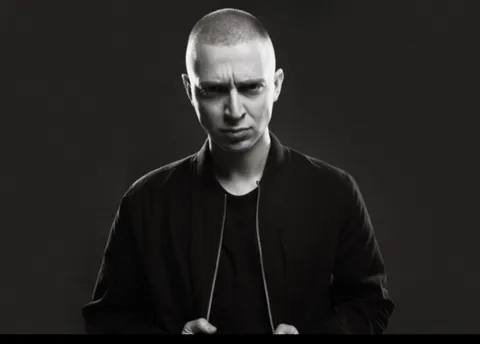
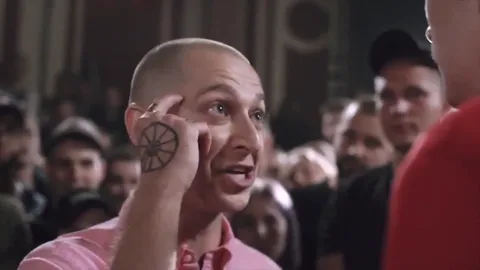
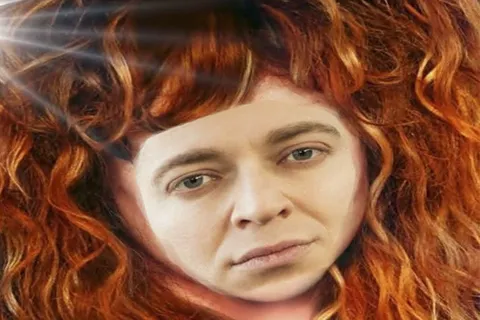
The phrase became known as part of “Who Killed Mark?”, a song by Russian rapper Oxxxymiron, released in 2021. The meme’s visual uses a close-up of the performer under dramatic lighting. The song develops its own plot and imagery; a single line spread online apart from its musical context and became an independent reaction. That shift does not mean the original track was written as a meme.
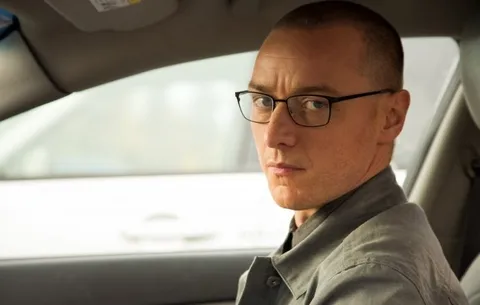
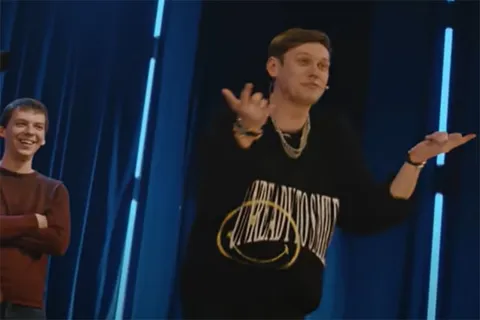
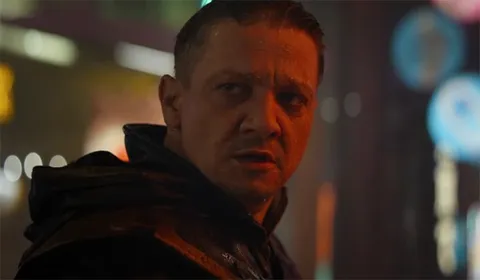
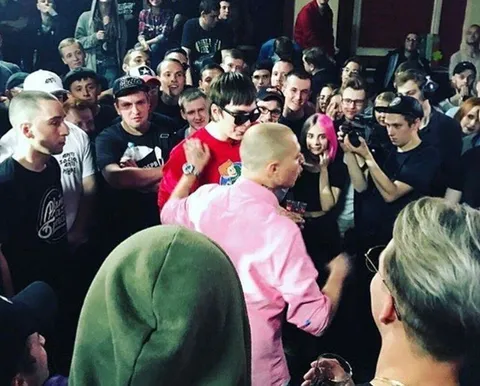
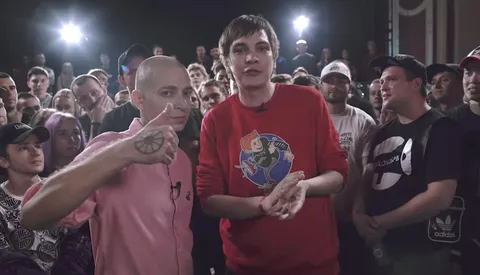
The viral template took shape when listeners began laying the line over everyday situations. Full song lyrics remain protected by copyright, so only the short phrase and its general function matter here. Don’t continue the quotation with long fragments. The frames in collections may be processed or taken from different parts of a performance; if the origin of a specific photo is unknown, don’t attribute it to an exact recording scene.
From being forced to self-irony
The verb “khavat’” (to wolf down) sounds colloquial and somewhat rough, while “no choice” strengthens the feeling of surrender. Together they fit a moment when a person accepts what they would prefer to change: finishing leftovers, listening to a long explanation, or agreeing to a compromise. The dramatic face turns a minor concession into a scene of inner tragedy.
The joke is often built on exaggeration. The hero may formally have a choice, but chooses convenience, savings, or avoiding conflict. The gap between the serious delivery and the trivial reason creates the comedy. In a heavier context it’s better not to use this phrase, so as not to belittle a real lack of options or coercion. For a light version, it is enough to show a conscious everyday concession.
Examples of original captions
“One portion of yesterday’s buckwheat is left in the fridge: I’m wolfing it all down, there’s no other dinner plan” is a joke about not wanting to cook. “The meeting started a 64-slide presentation, and I forgot my headphones” moves the drama into the office. “Bought a ticket with a layover to save money, and now I’m studying the station timetable” links the phrase to a compromise chosen on purpose.
It can be used without food: “Everyone loves this show, so I’m watching the pilot to follow the conversations.” Or: “Ordered the hot sauce and now I’m finishing the dish on principle.” Keep the caption limited to one concrete reason, otherwise the image of “no choice” gets blurry. Self-irony sounds friendlier when the narrator acknowledges their own decision rather than blaming others for a minor annoyance.
A musical reference without over-quoting
In a short post, it’s enough to keep one recognizable line and then describe the everyday situation in your own words. If the audience doesn’t know the song, the image and context should still explain the joke. Don’t reproduce stanzas in full, and don’t present an internet caption as a verbatim quote from a specific clip if the editing has changed it. The song’s title can be mentioned in cultural commentary, but not necessarily in every meme post.
When publishing, consider the rights to the musical fragment and the image. Commercial advertising will require a separate check of usage. The template suits light, reversible decisions best: finishing leftovers, watching the rest of an episode, taking an uncomfortable route. It should not normalize pressure, danger, or lack of consent. That way the dramatic line keeps its self-irony and does not turn into a joke about someone’s real helplessness.