From portrait to a strange query
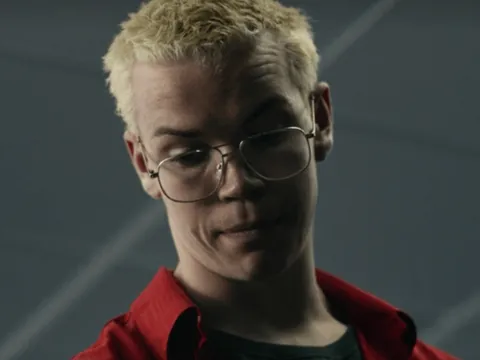
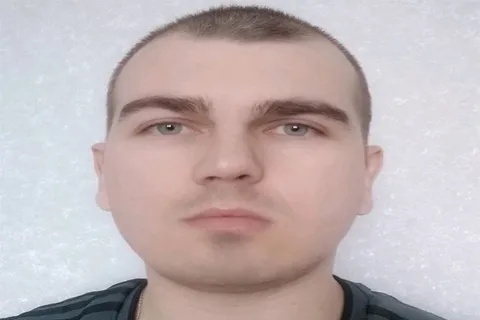
The picture shows a young man in glasses looking straight ahead. This is Ian Toples, the creator of popular science videos. The photo's fame and the meme's origin are two different things: the portrait is tied to his photoshoot, but the mass joke was born later, on social media. Posts about the trend date its spread to the summer of 2025 and usually name one early post with a caption as the original spark — but that mention alone doesn't prove who the actual author was or exactly when the joke started. So it's more accurate, and more honest, to speak of a viral variation built around the photo rather than a deliberately planned promotional image.
Why the phrase about wallpaper works
The caption 'smart man in glasses download wallpaper' sounds like a string of keywords someone typed into a search engine. It has no built-in punchline and almost no grammatical concern for the reader. A serious, calm portrait promises expertise, and the tail end — 'download wallpaper' — suddenly drops it into an ordinary internet catalog. The gap between the expressive face and the mechanical phrase creates the comedy. If you explain the absurdity or add too clever an ending, the effect weakens: the viewer no longer gets to complete the absurd connection themselves.
Caption variants and how they work
An example for a work chat: 'The person who opened the spreadsheet. Download wallpaper.' The opening describes an ordinary action solemnly, as if presenting the portrait of a specialist; the ending breaks the tone with a search query. This works as a reaction to a coworker who confidently pressed one button faster than anyone else, but it can read as mockery of a specific person if the recipient doesn't share the joke.
Another variant: 'Expert in choosing the seat by the window. Download wallpaper.' Here a grandiose title is invented for a tiny task. The combination of a pseudo-title and a download command turns an everyday preference into an object of absurd veneration. It's best to keep the caption short: a long story about why the hero loves the window seat becomes its own separate joke and crowds out the original mechanism.
How to use it without forcing it
The template works as a dry response to an overly confident statement, a random find, or a disproportionately serious discussion of something trivial. You can swap the first part for a role, an occupation, or an object: what matters is the contrast with a tail that reads like a wallpaper search query. It works less well when the picture needs to convey sympathy, anxiety, or an unambiguous emotion: the face here is fairly neutral, and the text is deliberately disconnected from it. The meme shouldn't be presented as proof of the pictured person's real intelligence or competence. Its joke is about the format of an internet caption and the sheer absurdity of the query itself, not about the biography of the person depicted.
Where the known facts end
Discussions of the meme tie the portrait to Ian Toples and report wide circulation in the summer of 2025. However, the exact original source of the caption and each early participant's motive may be unclear; the popular explanation through a search parody or rickrolling remains an interpretation, not an established cause. The photo itself shouldn't be taken for a shot specifically staged as a meme. This distinction matters: a durable template emerged from the combination of an image and a later phrase, after which the audience started changing the details while keeping the dry, inappropriately businesslike ending.