The line and its author
The phrase "The numbers hit me in the head" became known as a line associated with the streamer Nekoglai. It spread across Russian-language social media and short videos, where people repeated the intonation and turned it into a caption for their own situations. The expression itself is easy to remember because it describes abstract strain through a concrete image of being struck: information as if it physically crashed into the person.
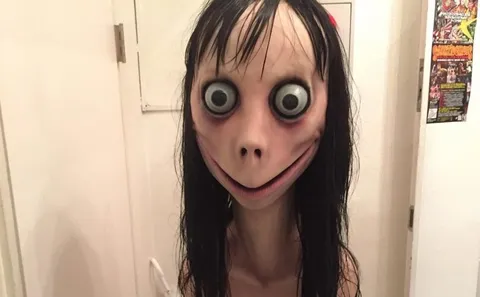
The photo shows a person with a white face, blue patches around the eyes, and a red smile. This kind of makeup evokes a clown or the Joker, but on its own it doesn't confirm that this is Nekoglai or a specific frame from the original stream. In the meme version, the makeup amplifies the unsettling impression: the viewer sees confusion and emotional overload.
Why numbers become a joke
The word "numbers" can mean income, views, points, debts, percentages, or a huge spreadsheet. The phrase turns dry data into drama: instead of calmly doing the math, the subject seems to lose their balance from a single glance at the screen. This lets it be used both in serious conversations about information overload and in pure hyperbole, when a number just seems unexpectedly large.
The clown styling adds a second layer of meaning. A clown can be funny and unsettling at the same time, so the facial expression supports the irony while keeping a tinge of panic. The comedy comes from a wildly overblown reaction to an ordinary task: a person opens a report, sees four new notifications, or hears the cost of a repair, and mentally "gets hit by the numbers." It's precisely the gap between the streamer's clown makeup and an ordinary report full of figures that makes the template flexible — it can be stuck onto both a serious debt and a single unexpected number in a spreadsheet.
Everyday use
The meme fits nicely next to numbers that upend plans: a utility bill, a pile of unread messages, a test score, or the length of a task queue. The caption can be built as a short scene: "Opened the banking app after the weekend" or "Just wanted to check the schedule, and there are two connections and three transfers." In examples like these, the numbers become the butt of the joke rather than a way to mock a specific person.
You can swap the numbers for any data that seems excessive: "They said it would take five minutes — I'm looking at forty-seven steps in the instructions" or "I was counting on one round of edits, and there are already nine comments on the document." The line works as a reaction to a sudden volume of information. It doesn't mean the person actually fainted or got hurt; it's a figurative exaggeration.
What's confirmed and what isn't
What can be confirmed is the link between the phrase and Nekoglai's viral clip, and its further spread in short videos. The image itself is a meme portrait with makeup; the exact origin of this particular shot and its relation to the original clip are not established. So it shouldn't be described as a screenshot from the actual stream, nor should new words be put in the mouth of the person pictured.
In different copies, the caption and the visual can exist independently of each other. Some creators repeat the phrase as a quote; others use it without knowing the original context. If a post discusses someone's real financial figures or metrics, it's important not to create the impression that the meme confirms their accuracy. This is primarily conversational hyperbole about overload and surprise, not evidence of an event.