A viral video from 2013
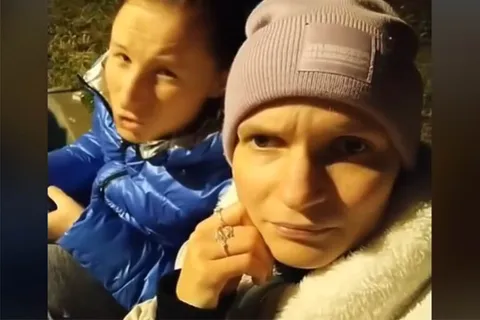
On October 16, 2013, a short video appeared on YouTube, disguised as an ad for foreign-language courses in Balashikha. In the plot, a heroine sits on a bench drinking beer when a man presenting himself as a Frenchman approaches and says he wants to marry her and take her away. The girl, not understanding a word, rudely asks back: “What the f*ck?”
Then a title card appears with text about foreign-language courses and a call to learn the language to escape Balashikha. In the final scene the same heroine walks up to the Frenchman and says “Bonjour, epta,” supposedly showing the result of the course.
A hidden ad
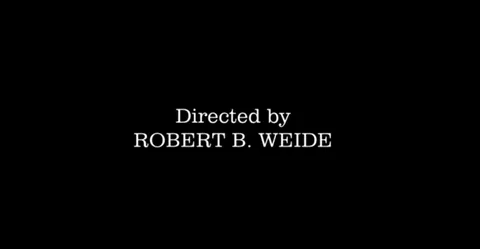
In fact the video had nothing to do with real language courses. It was a promotional campaign for the series “Studio 17” on the TNT channel. At the end a title card appears, supposedly from a design studio, with a web address that actually led to the series' page. The calculation was that the deliberately absurd and crude video would spread on its own and draw attention to the product through virality rather than direct advertising.
How the phrase went public
The video did become extremely popular. It was reuploaded dozens of times on different platforms, and both key lines, the rough “What the f*ck?” and the closing “Bonjour, epta,” quickly separated from the original and took on a life of their own. People began inserting them into other videos as a ready-made reaction to absurd situations, and “Bonjour, epta” even entered everyday speech as a playful greeting with an ironic touch of pseudo-French chic.
The actress legend
For a long time a text circulated online, supposedly written by the actress from the video herself. It said the shoot was rushed after a run of failed auditions with other actresses, and that the final phrase “bonjour, epta” was suggested by the performer herself, just as a joke on set. According to the legend, this improvisation sealed the video's fate.
This account cannot be verified. There is no official confirmation of who wrote the phrase or of the actress's identity, so the version should be treated as part of the folklore that grew up around the meme rather than an established fact.
The meme today
Although the video itself stopped being news long ago, “Bonjour, epta” still gets used as a recognizable speech tag. A typical use is a reaction to an unexpected encounter with a claim to foreign flair: someone writes something like “walking around the neighborhood in a suit, bonjour, epta,” or uses the phrase as an ironic caption to a photo in a clearly unglamorous setting, playing on the contrast between the pretentiousness of the greeting and the plainness of what's happening.
There is also a reverse usage: the phrase is added as a comment on situations where someone tries to look sophisticated and foreign but comes across as deliberately crude. Then “bonjour, epta” works as a playful diagnosis of a failed attempt at polish.
Why the meme proved durable
The phrase's longevity comes from its compactness and a recognizable sound play. The combination of a soft French greeting with a coarse Russian colloquial word creates a comic effect almost instantly, without needing the whole context explained. That is enough for the phrase to be read as a standalone joke, even by people who never saw the original video and don't know the story about Balashikha and “Studio 17.”
As a result, “Bonjour, epta” has moved from being a quote from one specific video to a stable colloquial expression, used out of habit as a recognizable humorous cliché about an awkward encounter with a foreigner or an attempt to seem more worldly than one actually manages.