What happens in the frame
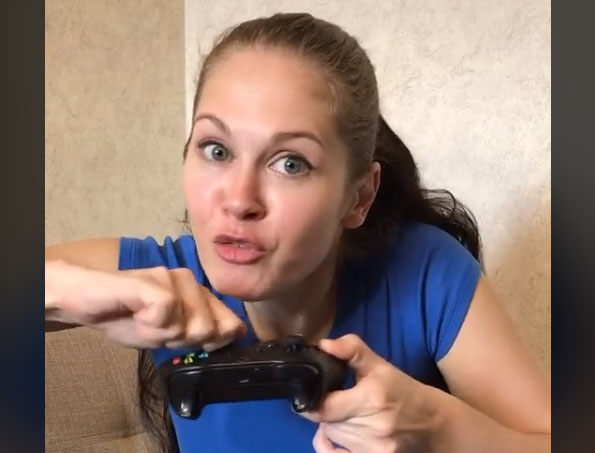
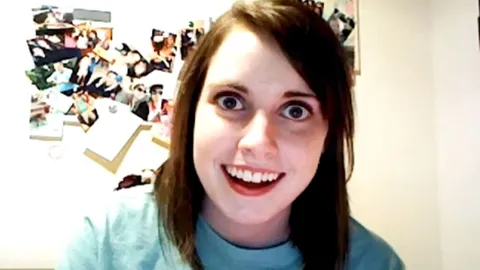
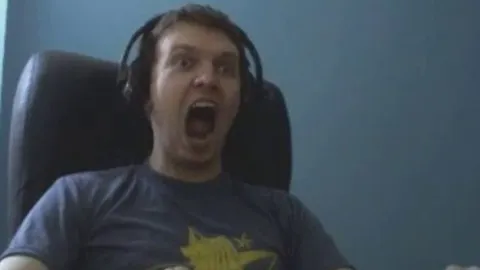
The image shows a young woman with an emotional, surprised expression, holding a game controller. This kind of frame is typical of parody versions of the meme: the original phrase and intonation are transferred to a completely everyday situation, for example a failed round of a video game, rather than the original intimate context, which is the essence of most derivative videos.
The original video
The source was a short TikTok video in which a young woman addresses her partner with a sharp but good-natured admonition about how one should not behave in bed. The key element was less the subject itself than the distinctive, slightly indignant yet instructive intonation with which the phrase “vot tak vot ne nado” is delivered.
It was this manner of speech, with a pause and a reproachful emphasis, that proved easily recognizable and convenient to copy, which determined the clip's later fate as a meme template.
How the phrase moved away from its original context
TikTok and other platform users quickly noticed that the intonation and the sentence structure could be transferred to any situation where someone is obviously doing something wrong: from playing video games to a failed attempt at cooking or a clumsy dance. This transfer allowed the meme to detach from its original delicate subject and become a universal comic device of “here's how not to do it.”
Many parodies re-enacted precisely the intonation and facial expressions of the original, substituting a new occasion for the line. As a result, a viewer who has not seen the source may know the phrase mainly from playful everyday clips rather than from the topic it started with.
Why the phrase caught on
Short, easily memorable lines with a recognizable intonation tend to take root on TikTok precisely because they are easy to reproduce in your own video without complicated editing: it is enough to copy the facial expression and tone of voice. “Vot tak vot ne nado” proved to be a convenient template with a built-in conflict, “someone is doing it wrong,” that is easy to adapt to any everyday mishap. The format gained further popularity because such parodies could be filmed without special effects or props, so new videos appeared almost daily.
Typical captions for the parody videos read, for example: “vot tak vot ne nado when you lose the last round” or “and I'm like, vot tak vot ne nado, mom.” This shows how far the phrase has moved from its original meaning, turning into a universal comment on any awkward situation.
The meme's place in TikTok culture of 2020
2020 was a period of rapid growth for Russian-language TikTok, and short viral phrases with a distinctive intonation spread especially fast at that time. The platform favored exactly this format, built on facial expression and voice rather than complex editing.
“Don't Do It Like That” took its place among the phrase-based memes of the year, alongside other short lines that turned into templates for parodies almost immediately after the first video was published.