Launch and a recognizable image
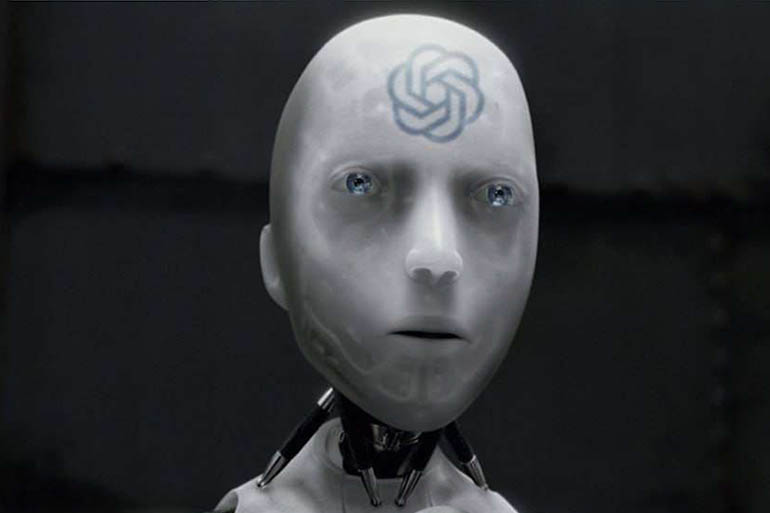
The local picture shows a monochrome face with a neutral expression and the ChatGPT symbol on its forehead. The visual contrast between machine smoothness and human features creates a faint unease: the viewer sees an almost familiar face that looks artificial. Without metadata, the author of the image cannot be determined, and it cannot be treated as official OpenAI visual material.
OpenAI introduced ChatGPT as a research preview on November 30, 2022. Users began sharing successful, absurd and unexpected replies, and a layer of memes quickly grew around the new conversational tool. Not every joke refers to a specific model or product generation; technology and interfaces change, so the date of an example matters.
How the memes took shape
The first widely discussed stories were built around a simple interaction: a person asks a question, the chatbot answers, and the author compares the result with what they expected. This produced screenshots of conversations and jokes about homework, emails, code and creative tasks. Some examples were real conversations; others were edited or made up entirely.
The picture of the artificial head adds a visual reaction to text dialogues, as if the AI itself were surprised by the request. It is a stand-in for the moment a short prompt about homework, an email or a line of code comes back dramatically over-explained — the gap between a one-line ask and a five-step plan is the joke, not a claim about how the service always answers.
What is mocked and discussed
The memes express delight at an accessible tool, annoyance at a mistake, and irony about an overly confident tone. Often the joke targets the person who trusted the bot with too much: asked it to write a greeting for them, come up with an excuse or explain a confusing text.
It helps to remember that the system generates plausible wording but can be wrong. A meme about asking it to "make it shorter" and then having to clarify the task again plays up a real kind of blunder; an invented line doing the same joke works just as well, but only a real screenshot can stand in for an actual exchange.
Examples for posts
"Asked for a short answer, got a five-step plan and a risk list" is a situation about overly thorough help. "Me: write one simple message. Chat: here are three tones and two alternatives" shows how a person complicates the task themselves. For school you can joke: "Asked it to explain the topic more simply; now I'm explaining it to the person at the next desk."
The picture of the artificial face goes well with the caption "When you ask an AI to rate your idea and it first asks for context." In a post about a specific error, it is better to show the whole question and answer, hiding personal data, so readers can understand the joke. The image can also serve as the author's reaction to a conversation with any chatbot, but it should not be passed off as ChatGPT's official portrait.
Users also poke fun at stock ways of talking to a bot: the request to "make it shorter," after which you have to clarify the task again, or an overly confident phrasing in the middle of a mistake. If you show a screenshot, hide personal data and note if the replies were altered for the joke. That way readers can tell a staged example from real experience.