A cat from a parody show returns
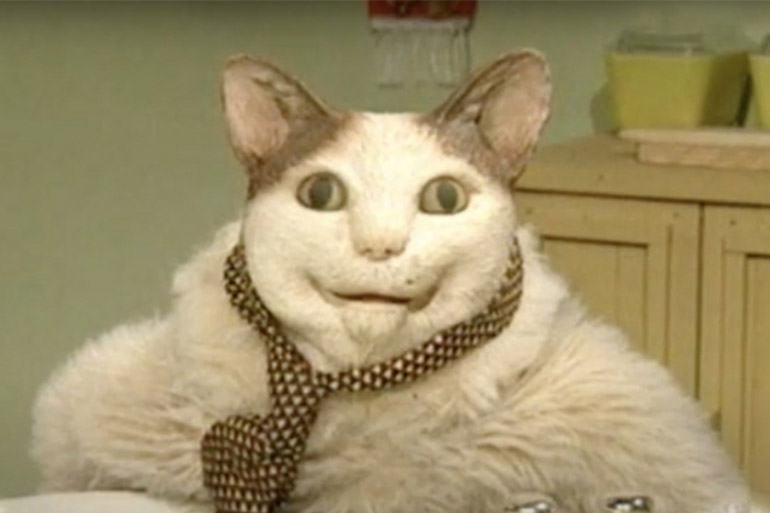
The viral sound spread in short videos in October 2024. According to early breakdowns of the trend, its visual basis is tied to a puppet cat from the American children's show Funhouse, which aired in Russia under the title "Un-Shlak." The author of this particular edit, and whoever first gave the puppet speech, aren't reliably named. So it's accurate to speak of a later online voiceover of the character, not a line from the original broadcast.
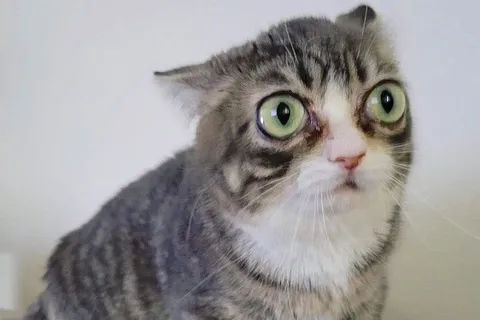
The photo shows a single close-up portrait of the cat, not a scene from the show and not a clip with a moving mouth. You can see light fur, a direct gaze, and a patterned dark collar. This calm shot illustrates the character specifically, but the line with "Boo" and the promise of friendship belongs to the voiced version of the meme.
The character traces back to an adult comedy segment of TV Funhouse, which parodied the format of children's educational programs. This earlier on-screen context helps explain the odd contrast between the friendly words and the cat's unsettling appearance. At the same time, the later voiceover and animation have changed how the image is perceived; the original clip shouldn't be described as a modern recording of a real animal.
Comfort that doesn't feel comforting
The speech starts as if the listener is scared: the speaker repeats that he's a friend, invites them closer, and suggests they look into each other's eyes. The more insistent the reassurance, the less safe the voice sounds. The contrast between caring language and intrusive closeness creates creepy humor — the listener isn't sure whether to believe the promise.
The sound is easy to overlay on a scene where a character approaches, suddenly appears, or doesn't take the hint to leave. But the still photo works on the same fixation: the cat doesn't change expression, while the viewer hears what feels like an invitation addressed to them. What matters here isn't real aggression from the animal, but the artificial gap between the neutral image and the unsettling speech.
Two versions of frighteningly kind concern
"Don't be afraid, I just brought you one more file called 'final_definitely_final'" — the overlaid sound makes a message about a work revision suspiciously ominous. The calm cat seems to know there will be many more versions ahead, and the promise "I'm a friend" turns into an alarming forecast.
"Boo, were you scared? Don't be afraid, it's just the courier's third call in five minutes" — the line fits the comedy of waiting at the door. There's no real threat, but the overly personal address and the serious tone give a routine event a horror-movie flavor.
Keeping the line between the sound and the original
The meme suits playful scares, late-night messages, and videos where something seems to intrude on personal space while being overly friendly about it. It can be used for self-irony about a persistent reminder or endless notifications. For a still post, it's best to add your own situation: a single portrait doesn't convey the whole voice scenario.
Don't quote the line as a historical bit of dialogue from the show's character: the available information ties it to a later meme voiceover, but doesn't confirm it was part of the original broadcast. The puppet cat is a stage prop; the photo doesn't show the real behavior of an animal. That keeps things accurate: the source of unease here is the edit, the voice, and the repetition — not the cat itself.