A song recorded long before the viral trend
The sound clip is tied to the song "Dubidubidu" by Chilean singer Christell. The track came out in 2003, when the performer was a child; about two decades later, the chorus became popular in short videos. The catchy syllables "chipi chipi, chapa chapa" are easy to sing along to and repeat, even if the listener doesn't understand Spanish. It's the repetition and rhythm, not the song's complex storyline, that made the clip convenient for meme edits.
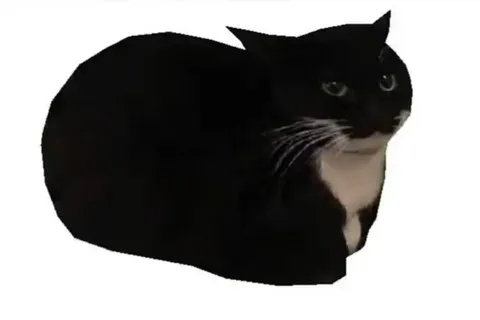
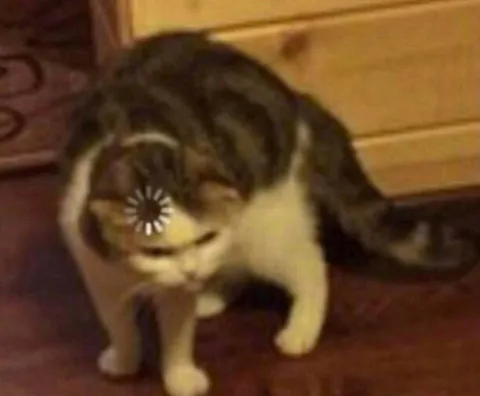
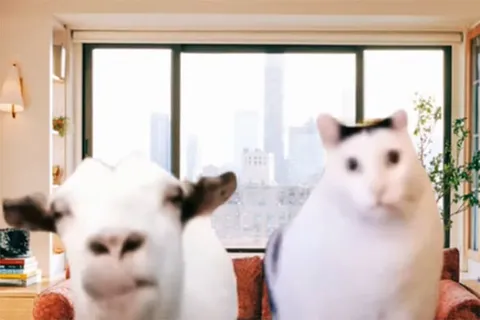
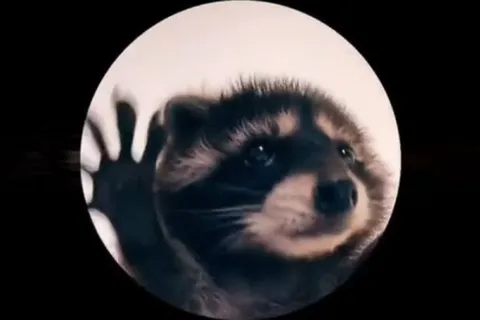
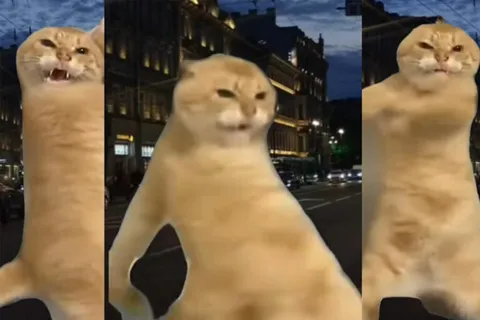
The viral spread was fueled by clips of cats gently swaying their heads or bodies in time with the beat. The picture itself is just a still frame: it doesn't necessarily match the original clip and doesn't convey the sound the track became associated with in videos. The meme can also exist without a cat — the audio clip suits any character or object as long as the movements can be synced to the repeating rhythm.
Why the chorus is so easy to get stuck in your head
The syllables work almost like percussion: identical short sound blocks alternate and create a simple pattern. They can be mapped onto a head swaying, footsteps, a blinking cursor, or the cycle of some household action. The more repetitions there are, the more noticeable the song's transformation into a mechanical loop becomes. This effect pairs well with animals, since even a small movement looks like a deliberate dance.
The meme has a lighthearted quality to it. Unlike dramatic sound trends, it doesn't require a climax: the pleasure comes from repetition and endearing clumsiness. It can also be used ironically, showing an action that goes on longer than expected. But the caption needs to explain exactly what is being repeated: the music sets the rhythm on its own, but it doesn't tell the viewer the context of a specific clip.
Examples you can film yourself
In a short video: "I checked one notification — and now I'm refreshing the page for the twentieth time." A cursor or hand can move in time with the chorus, emphasizing the loop. Another option: a cat asks for food, takes the same step toward the bowl and back, and the caption reads: "When you heard a rustling bag, but it turned out to be a bag of groats."
For a work chat, this fits well: "The last hour before vacation: I look at the clock — it looks back at me." You can sync the movement of the clock hand or the repetition of the same gesture. If a still image is used, the caption can represent the musical loop in words: "My brain on repeat after remembering an unclosed tab." It's important not to pass off a new clip as the Christell original and not to misrepresent her authorship.
Using the sound and respecting the author
The trend suits cute animals, cyclical habits, endless waiting, and repetitive actions. It can be nostalgic for those who remember the song from the early 2000s, and a new discovery for short-video audiences. When posting with music, keep in mind the availability of the official audio track and the platform's rules; for a still image, it's enough to describe the rhythmic reference.
Don't present the song as an anonymous nursery rhyme: it was performed by Christell, and the audio meme's popularity doesn't erase the composition's origin. At the same time, there's no need to call every cat from similar videos the same animal. Different clips used the same sound, and the image doesn't establish a specific account or character. Clearly separating the song, the later trend, and the individual image makes the description accurate.