Two independent clips in one scene
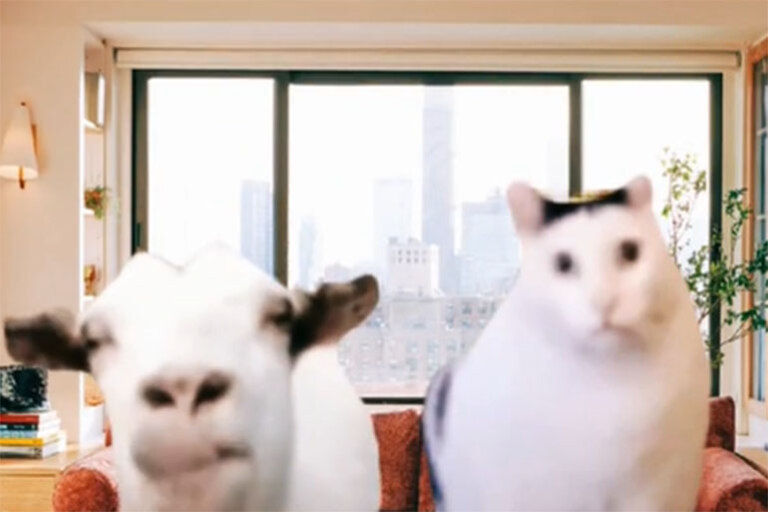
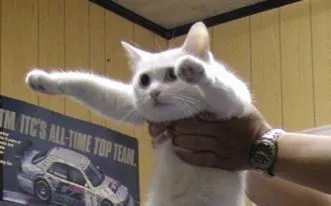
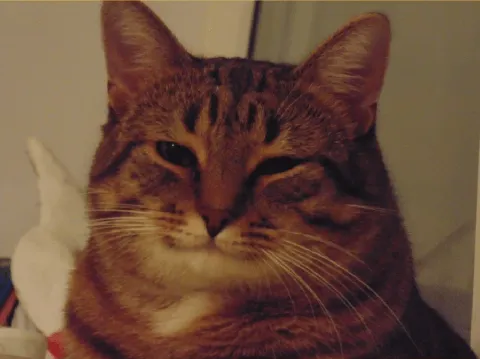
The meme combines two different animals and two different types of reaction. On one side, a goat making a series of fast, chatter-like sounds; on the other, a cat whose gaze and short vocalization express confusion. This is not a single original video filmed as a dialogue: the template joins separate recordings. The distinction is important because the viewer sees not a genuine animal conversation but a montage-based exchange of roles.
The viral version became noticeable in early October 2023, when clips of a goat and cat began being juxtaposed in short videos. Early posts often explained the situation as a teacher's lecture, an incomprehensible math proof, or a rapid monologue. The exact date when the clips were first combined may depend on which variant is considered original; it's more reliable to talk about the format's spread during this period rather than assign authorship without confirmation.
Chatter versus complete confusion
The goat plays the role of someone who rattles on, jumps between topics, or uses far too many terms. The cat is the listener trying to recognize at least one familiar concept. The comic effect arises from the gap: the sound of the first fragment seems endless, while the reply of the second is a short, almost empty 'huh?'
The template can also be used without any conflict. Sometimes the speaker is simply enthusiastic about their topic, and the listener is tired or can't keep up with the pace. However, it's better to direct the joke at the communication situation rather than declare the person stupid: a short meme doesn't know why the conversation partner didn't understand. The cat's pause can convey surprise, a request to repeat, or the moment a thought got lost.
Examples for studying and work chats
For studying: "Professor: I'll explain this very simply" — and then ten minutes of new notation; the cat responds with a single "huh?" For tech support: a client lists five different errors, and the operator tries to figure out which one appears first. Such a variant shows not the person's incompetence but the difficulty of conversation when there's too much information.
In friendly correspondence: "A friend retells the whole plot of a series starting from season three" — "and I thought we were discussing the first episode." Or: "A colleague explains why the button should be blue, starting with the history of the whole brand." Add a specific topic that your audience actually knows about. Without it, rapid chatter and the cat's response will look like a generic template, not a joke about your situation specifically.
Don't attribute human argument to animals
The meme is suitable for accelerated monologues, terminology overload, unsolicited explanation, and listener confusion. You can swap roles: the cat asks a question and the goat answers, if the captions clearly explain the reversal. Keep the difference in pace — one long stream and one short reaction — so the structure doesn't dissolve.
The goat and cat don't actually talk to each other. Popular voiceover and editing create the illusion of a conversation; this doesn't prove the animals reacted to a specific person or understood speech. Don't retell separate videos as a single episode or unified original. Explaining this editing convention makes the meme clearer and keeps the animals' actual story within what is genuinely known.