What is visible in the picture
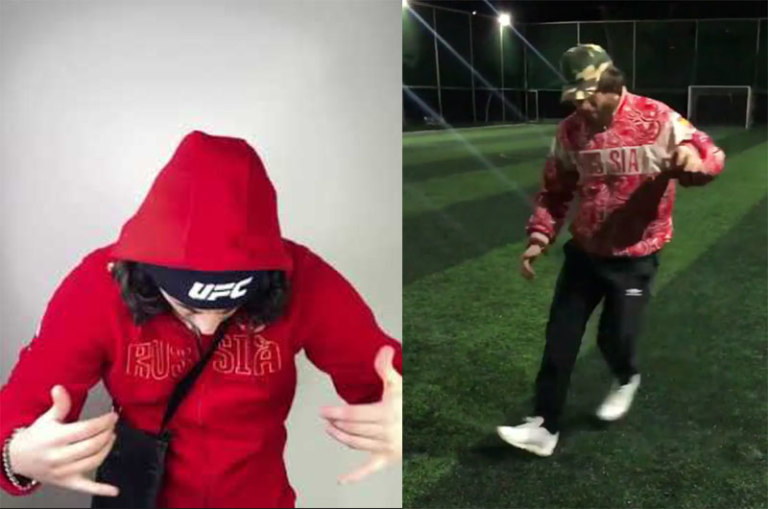
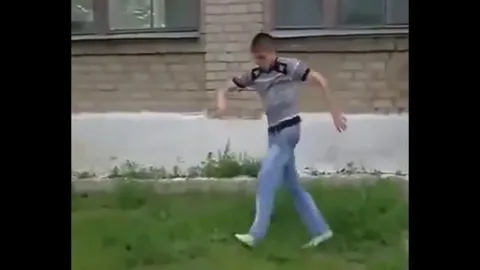
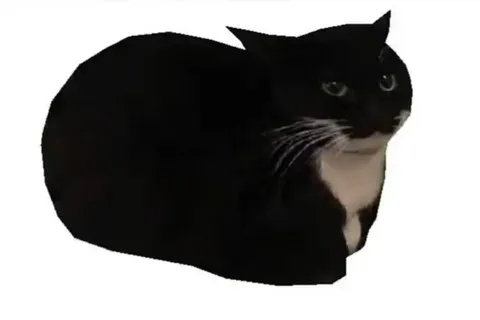
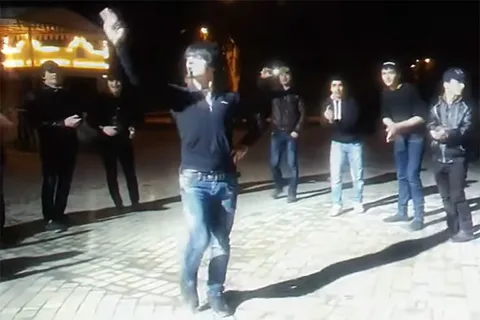
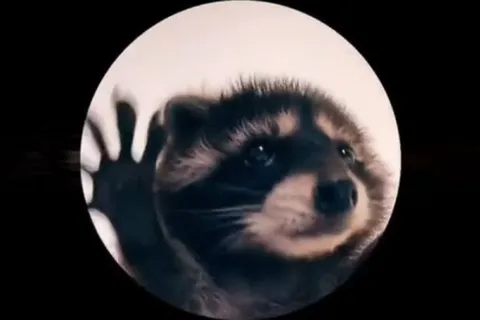
A collage of two frames. On the left, a person in a red hooded sweatshirt with RUSSIA printed on the chest and a black UFC headband across the forehead; the head is tilted down, the face is barely visible, the fingers are held out in a characteristic gesture, and a small black bag is slung over one shoulder. On the right, at night on an artificial football pitch, a person in a red-and-white patterned jacket with a printed slogan, a camouflage cap, dark trousers and white sneakers dances. In the background are floodlit goalposts and netting.
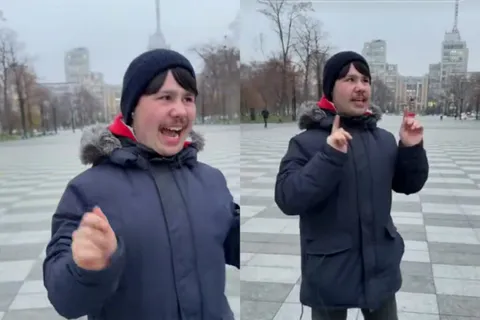
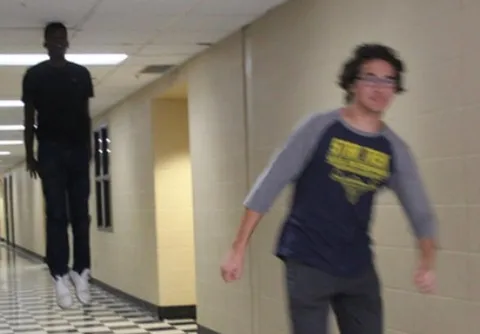
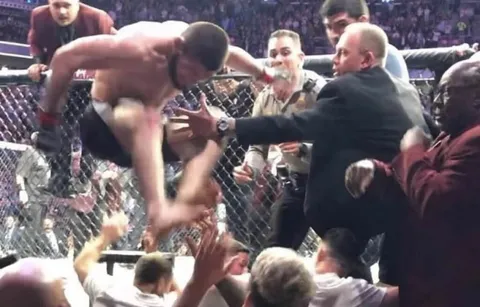
These are screenshots of amateur videos. The people in the frame are not named: they are private individuals.
Where it came from
According to published accounts, the Abu Bandit persona emerged in the mid-2010s on the social network VKontakte. It included playful aphorisms, “signature phrases,” a dance and a stylized way of life. The invented type came to be associated with people from the republics of the North Caucasus, above all Dagestan.
In 2020, TikTok turned this theme into a dance trend. By January 2021 the hashtag had gathered hundreds of millions of views. Sources differ on who invented the dance or started the trend, so no specific person is named here: these are ordinary people, not public figures.
What “abu bandit” means today
Today the expression means not a specific person but a type and a style: a fan of street aesthetics with arm gestures, a headband and a national team tracksuit, who loudly and humorously “stirs up commotion.” The word “bandit” is used ironically and does not denote a real criminal.
The trend came with individual videos featuring sounds, phrases and moves. The most famous related line is “suetu navesti okhota” (“I feel like stirring up some commotion”), which has its own article.
Irony and stereotypes
The meme easily slides into mockery of a region or an ethnic group. It is better to read it as a playful stylization of street youth culture, not as a characterization of people. A good joke laughs at the situation and the dance itself, not at anyone’s nationality or appearance.
Recognizable elements (a sports suit, sharp arm movements, the night pitch) make the persona easy to parody. Parody works precisely because the details are known to everyone.
Caption examples
“Me on Friday, when the bosses have gone to lunch.” A contrast emerges: a restrained week and a sudden burst of energy.
“Grandma, seeing the grandkids gathered at the dacha.” The outside view makes the scene funnier.
“I want to dance, but I’m wearing a raincoat and carrying a briefcase.” A joke about the conflict between appearance and desire.
“Waiting for the bus, five minutes of standing around.” A minor event turns into a small concert. In every example, the surprise does the work.
Tips
It suits short jokes about a sudden urge to move, about goofing around and awkward dancing. Build captions on the situation rather than on the person in the frame. If the picture is used together with the “suetu navesti okhota” phrase, first make sure the audience knows the context.
Keeping the joke short also helps: one line, one image, no lists. Parody works when the viewer recognizes the gesture in a second, and long explanations break that effect. Remember too that the frame shows real people, so captions should be good-natured and should not touch on their personal lives.