A cat that looks like a potato
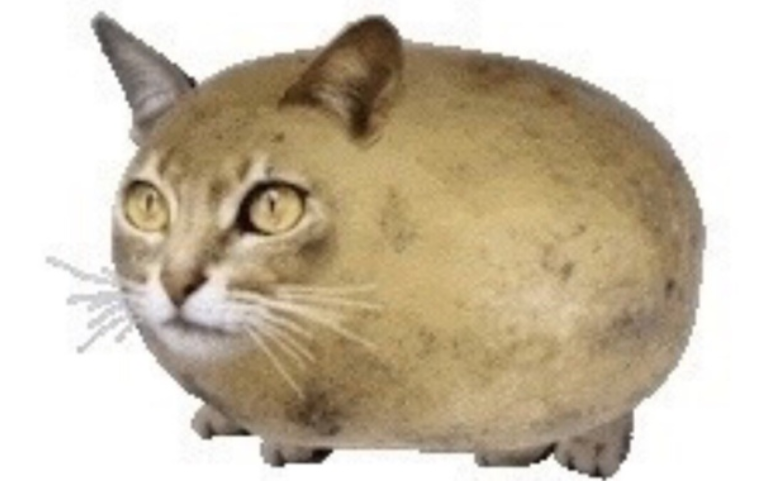
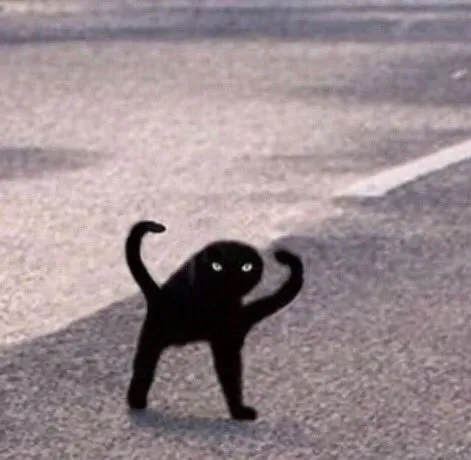
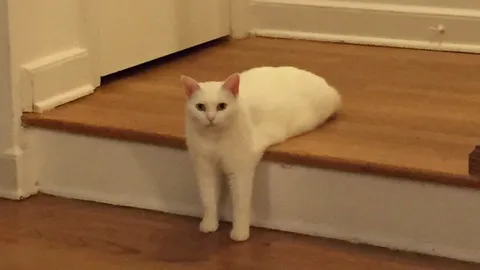
The image shows a cut-out cat of sandy beige color on a white background. Its body is almost oval, with no visible neck or waist, and has dark spots resembling traces of soil on a peel, so from a distance it is easily mistaken for a potato with a muzzle. Both ears stand upright, the whiskers are light and tousled, and the short paws barely peek out from under the body.
The gaze is the main thing here. The eyes are yellow-green, large, and wide open, looking slightly to the side, and the expression comes across as both wary and somewhat bewildered. The frame does not show what surprised the animal, so it is easy to insert any caption into it. The cat seems to know that something strange is going on around it, but cannot explain anything.
A word that came from quarrels
The meme's name is a coarse slang word, so here it is not decoded and does not appear in the captions. Combined with a cute cat, it sounds absurd: crudeness and a soft appearance argue with each other, and the humor lies already in their juxtaposition.
The exact origin is unknown. In retellings of the meme there are different versions of who first combined this word with the picture and in which year, but none of them has a reliable primary source, so the year the meme appeared is not given here. For understanding the joke this is not needed: the word works as a sound, not as an assertion.
Why the caption is almost unnecessary
Abstract memes are built on the idea that meaning is secondary. Here the word works as a sound, and the picture as an empty label that gets attached to any story. The viewer does not ask what the title means, because the answer is already known: meaning has nothing to do with it.
The mechanics rest on contrast. A soft, rounded figure receives a sharp and rude name, and the laughter is born in that gap. The calmer the cat's expression, the stronger the mismatch: he looks as if he understands everything that is happening, but cannot say a word.
One more important point concerns reading speed. A short caption and one picture are understood in a second, so the meme is easy to pass along without explanations. It is precisely this simplicity that helped the template spread through comments and private chats.
Four captions as examples
Below are captions written independently. Each one explains why the cat is funny in its role.
“Asked how the weekend went. Answer: lay on the couch like a potato.” The image is transferred to a person: the oval figure and bewildered gaze precisely describe a complete absence of plans, and the comparison with a potato makes the joke homely.
“The boss asks why the bug still hasn't been fixed. I look at him the same way this cat does.” The caption works through a pause: the picture replaces an excuse, and silence becomes the answer. The viewer fills in the bewilderment on their own.
“Only a potato is left in the fridge, and it looks as bewildered as this cat.” Here the humor lies in the literal match: the hero's potato-like appearance turns into an ingredient, and the joke rests on the shift from image to a household matter.
“A notification came: delivery has been moved back by three days.” The cat acts as a sympathetic witness, and its bewilderment exactly matches the tone of the message. The emotion of the picture becomes the emotion of the person reading the news.
How to apply the template
An image without a background is convenient for collages and stickers: it can be placed on any surface without interfering with the text. It works well for reactions when you need to show that a person does not understand what is happening but pretends that everything is fine.
Keep the word itself in mind. It is coarse, so it is better not to use it in a group chat or in conversation with people you do not know well. The picture can be used without a caption or with a neutral text: then the main thing remains, namely the contrast between the cute cat and the bewildered gaze, without extra harshness.