What's in the picture
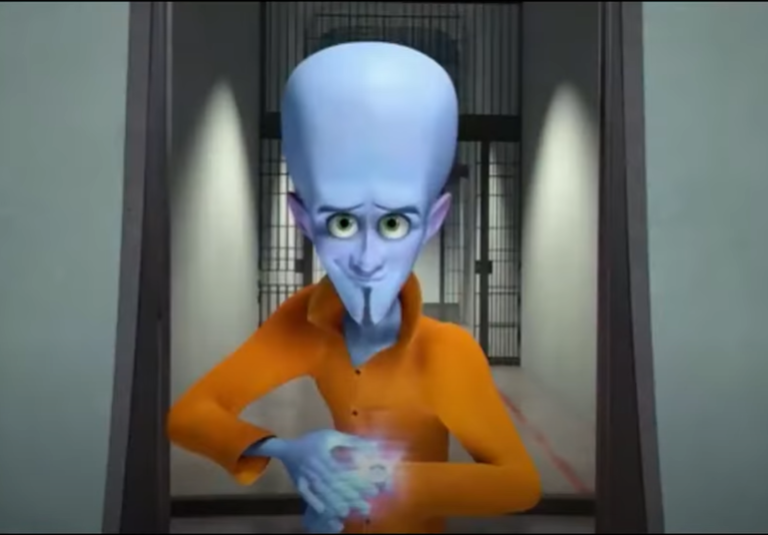
This is a frame from the DreamWorks computer-animated film. Megamind, in an orange prison outfit, stands in a doorway, with bars and a long, coldly lit corridor behind him. One eyebrow is raised, a sly half-smile on his face, and his hands are folded at his stomach, where a small glowing object flickers. The pose is theatrical: it looks as if the character is about to deliver a dramatic line.
The animated film "Megamind," directed by Tom McGrath, was released in theaters in late October 2010 in Russia and in early November 2010 in the US, with the hero voiced by Will Ferrell. The plot runs on an inverted premise: the main villain ends up without an opponent, creates a hero, and in the process gradually becomes a person capable of good himself.
Where the line comes from and what's known about the trend
The line itself, about the hero "always being a villain," belongs to the film. It hasn't been verified against the original source exactly which scene it's from, or whether it matches this particular frame, so the two shouldn't be linked too firmly. This frame serves as an illustration of the trend, not a proven illustration of a specific line.
Meme catalogs say the wave of clips with the words "you were right, I'll always be a villain" fell in 2021 and spread through TikTok and YouTube. The exact date of the first clip is unknown. Worth noting, too, that the film was already over ten years old by then — a typical case of a cartoon returning to conversation through a younger audience's nostalgia.
How the joke works
The meme is built on self-deprecation in the form of surrender. A person first hears a reproach or remark, then agrees with theatrical gravity: yes, you're right, I'll stay exactly as I am. As a result, the reproach turns into a role rather than a verdict.
There's also a contrast at play between scale and cause. Words about eternal evil get said over things like an unfinished pizza or a fifth snooze on the alarm. The smaller the offense, the more solemn the confession looks, and the funnier it gets. On top of that, the character himself is likeable: he's a villain with charm, and confessing weakness in his footsteps feels good.
Example captions
Invented examples. "Mom: you left the cups in your room again. Me:" The joke works without a punchline: the reader supplies the famous line themselves.
"Friend: didn't you promise to start running on Monday? Me: you were right." Here, the "villainy" is laziness, and the small scale makes the gravity comic.
"Coworker: could you have answered the email on time?" The caption leans on the feeling of being caught over something trivial, and the character's line defuses the awkwardness.
"When you said you'd start a diet tomorrow, and then opened the fridge at midnight." The same move: a promise made earlier turns into a confession of character.
How to use the frame
The caption should be short and come at the end, like a line delivered after a pause. The "reproach — the hero's response" format works well. It shouldn't be used for serious topics like actual wrongdoing: the point of the meme is light self-deprecation, not an excuse for harm.