What format the template grew out of
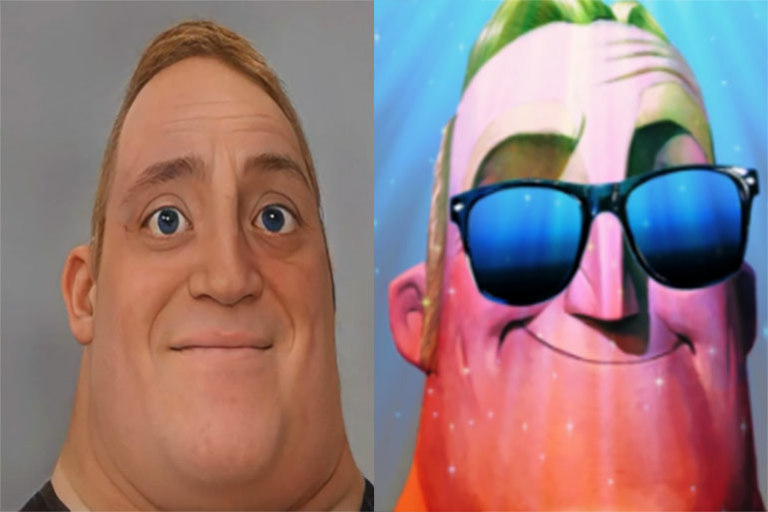
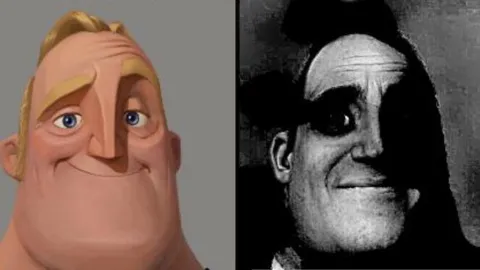
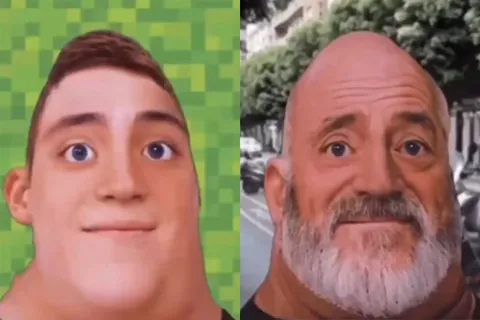
Mr. Incredible is Bob Parr, the superhero from the animated film The Incredibles. In 2020, images of the hero appeared online, altered through editing into an unnaturally realistic and unsettling portrait. Later the two-panel idea evolved into a sequence of stages: the face shifts from the familiar cartoon look to something increasingly strange. In 2021, videos spread in which the images were set to music that intensified each stage.
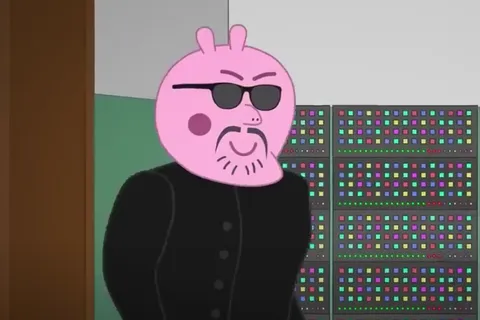
Alongside this, a "nice" or "ascended" variant emerged, in which the same character becomes increasingly radiant and happy instead of unsettlingly distorted. This image combines both aesthetics: on the right Mr. Incredible is pink, wearing blue glasses, while on the left a neutral portrait is shown. From these two images alone, it's impossible to reconstruct the full original video or the exact set of intermediate stages.
The escalation effect
The main device isn't the character's design itself but the stepwise shift in reaction. At first the situation seems ordinary, then the hero notices a detail, then becomes fully absorbed in either delight or horror. The more seriously a trivial cause is presented, the funnier the final stage looks. The music in the videos makes the transition especially distinct: the sound shifts along with the visual state.
The opposite versions let you pick the tone. "Uncanny" suits mounting unease or discomfort; "Ascended" suits excessive joy and the sense that something small has turned into a revelation. However, a single image doesn't always make clear which exact sequence it reflects. It's safer to read it as a contrast between two states rather than to claim it's a frame from a specific viral edit.
Ideas for your own scale
For a joyful version, build out stages of getting ready for a day off: "realized tomorrow is Saturday," "the morning meeting got canceled," "delivery brought my favorite food." For an anxious one — searching for a lost item: "checked my pocket," "checked my jacket," "remembered I left the key in the door." The examples should build on a single idea rather than randomly collecting unrelated events.
In a still version, two stages are enough. For example: "I saw there was one open slot left on my calendar" and "I remembered that I'm the one who put that meeting there myself." The character in the second panel can look pleased, scared, or stunned depending on the context. What matters is that the caption changes how the frame is read rather than just restating the name of the emotion. In a long video, it's better to caption each stage specifically: that makes it easier for the viewer to notice the shift and wait for the payoff.
The original and the spinoffs
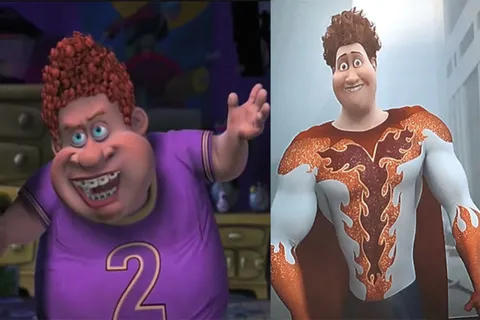
The family includes several related but not identical variants: "becomes uncanny," "becomes ascended," and a comparison between those who know the context and those who don't. All of them use the idea of transformation, but their origins and musical accompaniment can differ. User-made edits often add new faces and themes.
The picture contains two images of one animated character and isn't an official frame from the film showing a mood change dictated by the plot. If you post a new scale, don't pass off the edit as Pixar's canonical design. The meme works because a familiar face sharply breaks from its usual cartoon style. The shift to the extreme stands out especially clearly next to the original calm expression. Captions can also be timed to the music's movement: while the calm section plays, anticipation builds, and the joke itself lands at the moment of the abrupt sound shift that accompanies the transformation — so the viewer reads the scale with the same logic as the videos with musical intensification.