Origin of the character
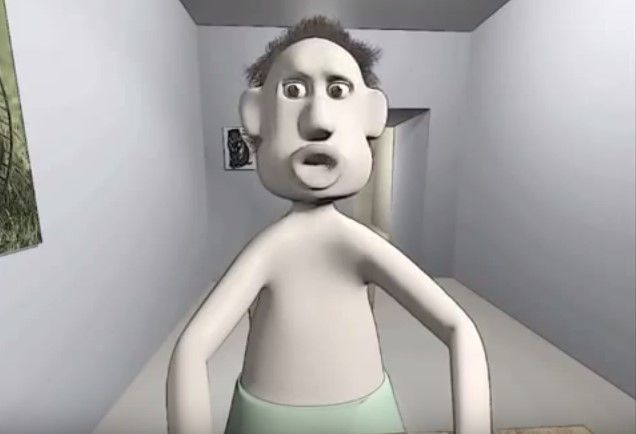
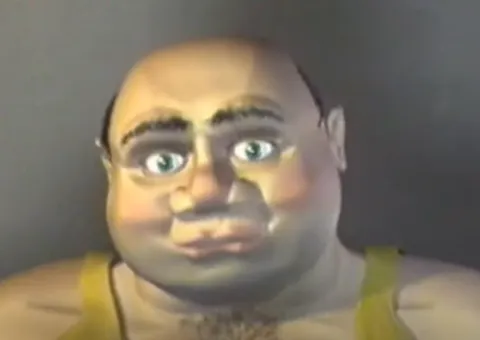
Pynya appeared as a meme meant to embody a passive opposition sympathizer — that is, a person who is sympathetic to the protest agenda but doesn't actively participate in it. The character dates to 2011. The exact creators, the year of first publication, and the original series are not known.
It's important that Pynya is a fictional character, not a real person. His image was created using 3D graphics and is not tied to a specific individual, which means the character's story and personality aren't meant to refer to a private person.
Appearance and manner
The frame shows a pale figure with a big head, tousled dark hair, wide-open eyes, and a slightly open mouth. The character stands in a bright room with smooth walls and a painting in the background, dressed only in light-colored underwear. This presentation creates a sense of bewilderment and vulnerability, which became the meme's main visual code.
The exaggerated proportions and frozen expression make the character recognizable without any caption at all. It is precisely this expressiveness that let the image outlive its original context.
Reinterpretation
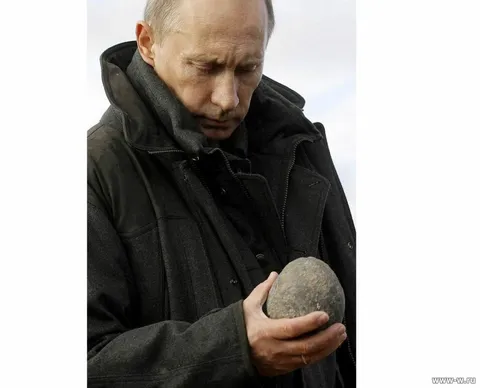
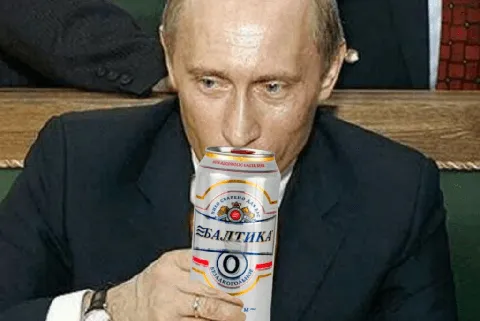
Over time, Pynya's meaning shifted. From a symbol of passive sympathy, he turned into an image that came to be linked with the political backdrop surrounding Vladimir Putin. Such a shift is typical of internet memes, which outlive their original meaning and accumulate new associations depending on what's happening in the discussion at the time.
The reinterpretation didn't require a separate authorial explanation: a caption linking the character to the relevant topic was enough, and the audience picked up on the hint themselves. This flexibility is what made the image a convenient tool for political irony.
Spread
The character quickly spread across forums, communities, and video-hosting sites, where clips of him are inserted into discussions and comments. Short clips and individual frames work as reactions, which is how Pynya became part of the everyday language of online arguments.
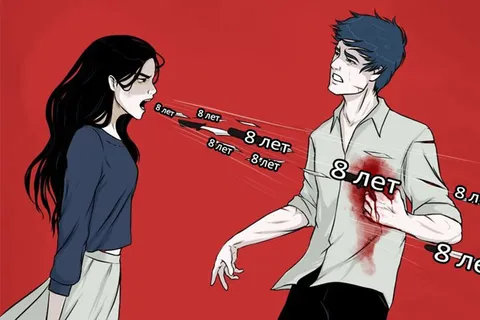
Over time, variants appeared with new captions and editing, but the character's recognizable appearance stayed unchanged. This let the meme keep its connection to the original image even as its meaning was reinterpreted.
Usage
Today Pynya is used as an ironic marker to signal a particular stance in an argument. It's enough to put the picture next to a remark for the people you're talking to to get the hint, which is why the meme remains a convenient tool for commentary.
Since the character is fictional and drawn in a grotesque manner, its use remains jokey and harmless toward real people. The meme remains an example of how a simple image can acquire political overtones without a direct statement.
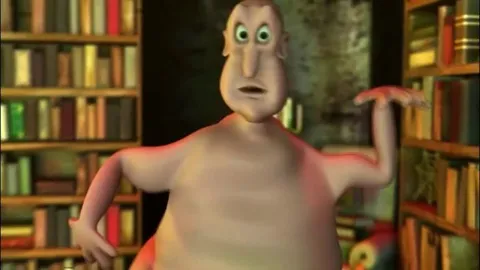
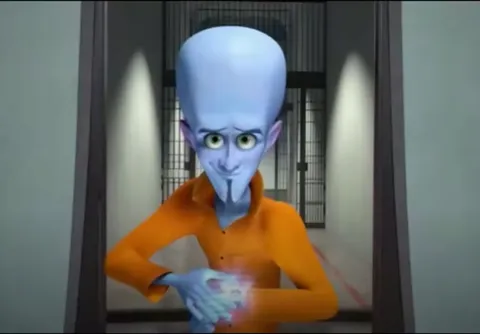
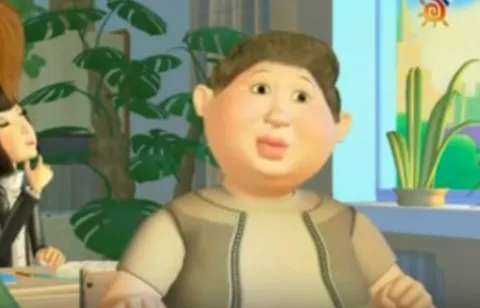
In addition, the image is often compared to other animated characters drawn in a similarly grotesque manner, and this comparison helps explain why such figures stick in memory: exaggerated facial features work as a visual tag that's easy to recognize even in a small thumbnail.