How a news anxiety became a meme
In February 2025, the topic of negotiations to end the war took center stage following a phone call between Donald Trump and Vladimir Putin on February 12. Public discussion of possible negotiations triggered varied reactions: hope that the fighting would stop, worry over the terms of any possible deal, and questions about who would get a say in discussing it. The word "dogovornyachok" reworks the sports term "dogovornyak" (a prearranged, fixed outcome) and transplants that suspicion onto the political situation.
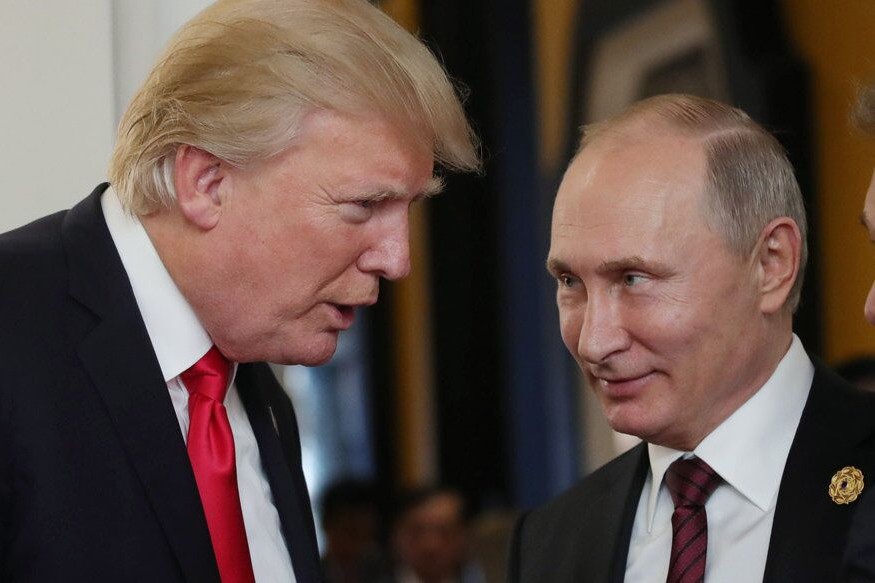
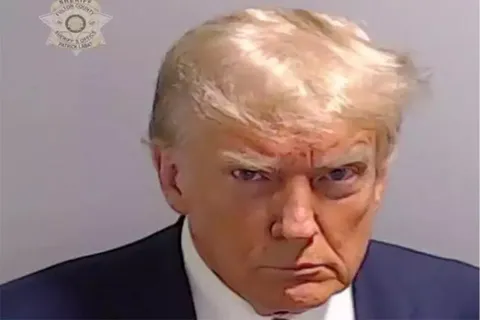
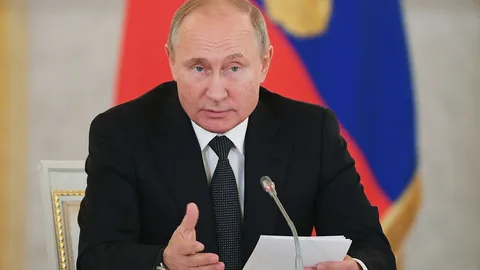
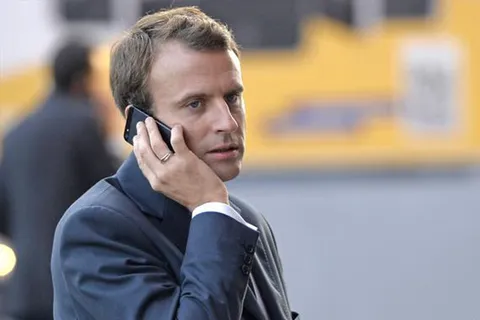
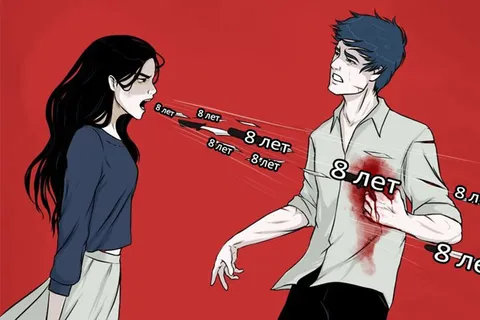
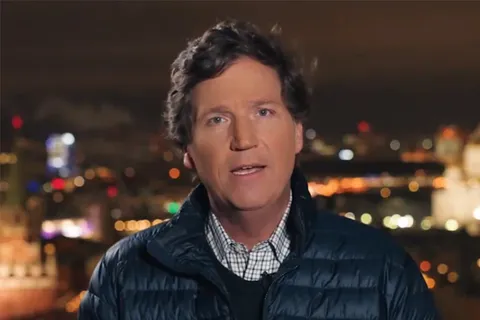
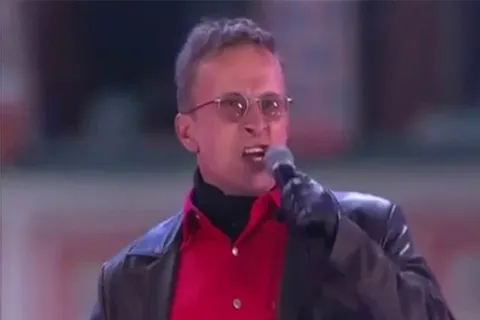
The exact author and the first publication of this particular image haven't been established. The picture shows the two leaders in close-up, facing each other; the tight framing and the closeness of the figures create a sense of a private arrangement. However, the photo doesn't reveal what the two men discussed and doesn't establish the content of any negotiations. The meme should be read as an emotional reaction to the news, not as documentary evidence of collusion.
What the word means and why it sticks
The diminutive suffix in "dogovornyachok" makes the accusatory "dogovornyak" deliberately small and almost homespun. Part of the effect rests on that juxtaposition: the subject is an issue of enormous scale, yet it's referred to casually, as if the decision has already been made behind closed doors. Depending on the caption, the meme can convey cynicism, anxiety, relief, or fatigue with political statements.
The image is versatile precisely because it has no text built into it. The two faces provide a visual scene of a conversation, and the viewer supplies whatever topical occasion they like. At the same time, different people read opposite judgments into "dogovornyachok": some criticize possible concessions, others welcome the prospect of ending the war. That's why the caption matters so much: without it, you can't reliably pin down the author's position.
Two new captions for "Dogovornyachok"
"When two people in a group project have already decided everything, and everyone else gets invited to the final discussion" transplants the composition into harmless everyday life. The two people in the photo become stand-in organizers, and the viewer becomes the participant who's being presented with a done deal. The joke uses the feeling of a closed-door arrangement without attributing any specific secret decision to the politicians.
"Weekend plan: first 'just talk it over,' then suddenly everyone's chores get assigned" is built on a mundane surprise: a neutral conversation turns into a ready-made decision. The serious faces heighten the comic contrast. In a political context, the same construction can land much heavier, so it's better not to present guesses about the actual terms of peace as confirmed fact.
Where to use it carefully
In everyday conversation, the template suits jokes about opaque arrangements, decisions made by a clique, and situations where someone is expected to just formally sign off. In talk about the war, it can convey worry or skepticism, but it doesn't substitute for verifiable information about the parties' statements and the course of negotiations. It's worth clearly flagging your own opinion if the caption touches on real politics.
Two close-up faces don't amount to a transcript of negotiations: it's the caption writer's claim, not the photo's framing, that speaks of a secret deal. The historically solid anchor here is the phone call itself and the public discussion that followed; the terms of any possible agreements and reactions to them remain separate matters. The shorter the caption and the clearer its ironic target, the lower the risk of mistaking commentary for news.