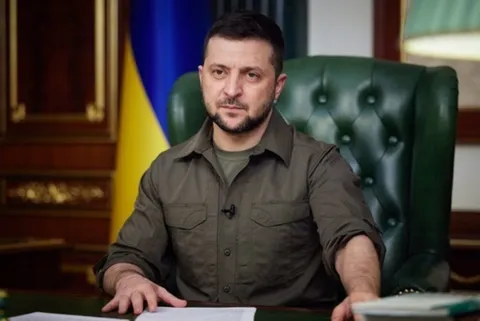
A portrait in the context of a major interview
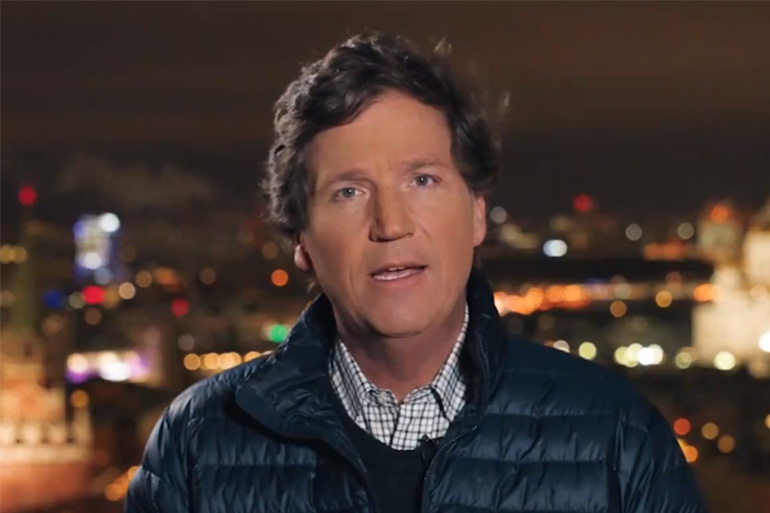
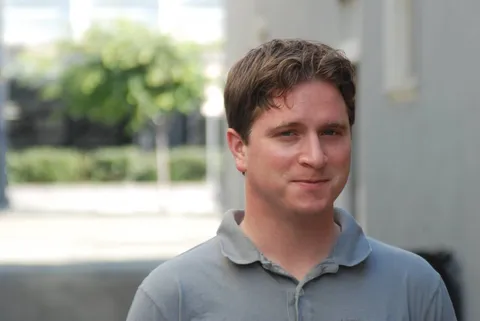
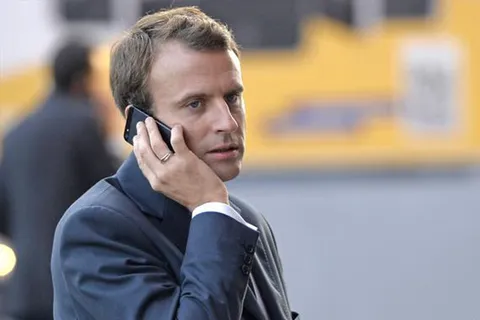
The picture shows American television host Tucker Carlson: a close-up face, a direct gaze, a blurred background. Such a frame conveys not a specific line but the recognizable public image of a political interviewer. In February 2024, Carlson recorded a long conversation with Vladimir Putin in Moscow; it was discussed far beyond the usual audience of political shows. The image turns this context into a reaction template, where what matters is not a retelling of the interview but the tense anticipation of the next question.
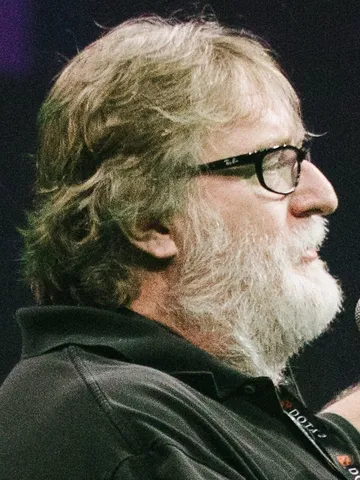
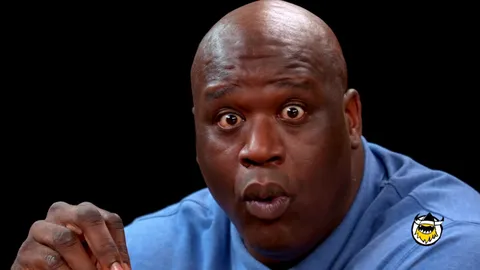
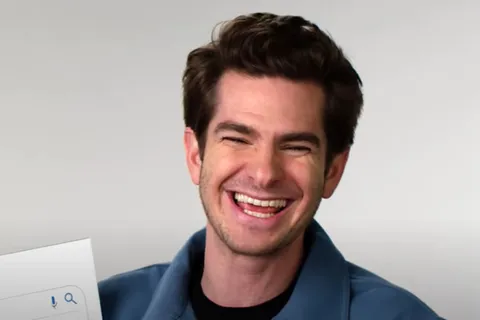
You cannot assume that every similar portrait comes from the same fragment of the conversation: photos, frames, and edits of various origins have circulated. This card has no caption, so its meaning comes from the author's caption. It can describe a moment when a person starts asking questions without noticing the awkwardness, or, conversely, when those around him expect a big conclusion.
Why a serious look works as a joke
The meme is built on the contrast between the scale of the subject's reputation and an entirely everyday situation. In the shot the expression is composed and almost impassive, while the caption can speak of something small: who left a mug by the computer, why the last slice of pizza disappeared, where a strange noise in the hallway came from. It feels as if investigative methods or international-level questions are about to be applied to a trifle.
Another mechanism is the expectation of a sensation. Viewers associate Carlson with a format where a single question can spark a big argument. So the image suits a lead-in to an unexpected confession: the subject looks ready to listen, and the caption says the other person has prepared an absurdly minor piece of news. It is important not to put invented quotes into the photo or present it as a documentary frame of a particular moment.
Captions for everyday conversations
In a work chat, the portrait can be captioned: "Me: just clarifying the deadline. Also me a minute later: so why does the whole project depend on one spreadsheet?" The joke works because an innocent promise quickly turns into a thorough interrogation. In a family chat, this fits: "When I asked who finished the cheese and got a twenty-minute version of events." Here the interviewer figure signals a seriousness clearly out of proportion to the subject.
Another option: "Decided to ask how the weekend went and got a full chronology of the home renovation." This is not mockery of the host's real views and not a claim about the content of any broadcast, but a self-contained situation about excessive detail. To strengthen the effect, keep the caption short and specific: a long explanation gives the joke away in advance and robs the viewer of the moment of surprise.
When to use it and what to avoid
The template suits reactions to a sudden story, a serious tone in a petty argument, and excessive attention to detail. It can serve as an introduction to a series of questions or a visual cue: "looks like an interview is about to happen." It can also be used in political discussions, but then the caption must clearly separate the author's opinion from the facts, especially if the post concerns real people and international topics.
Do not turn the portrait into evidence of an invented line, action, or position. The picture contains no date, program title, or original quotation, so the exact frame cannot be reliably identified. In neutral everyday use it is enough to play on the expression and the general interview format. Then the meme stays clear without retelling political disputes and does not attribute to the person anything the photograph does not confirm.