A portrait as a reaction
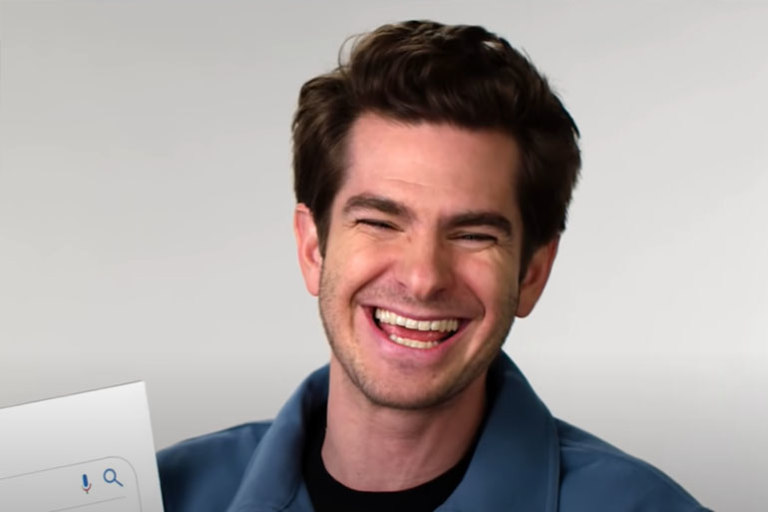
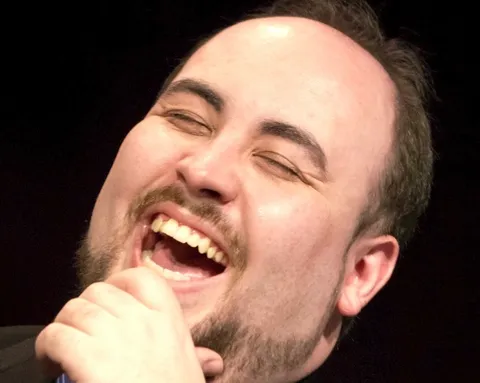
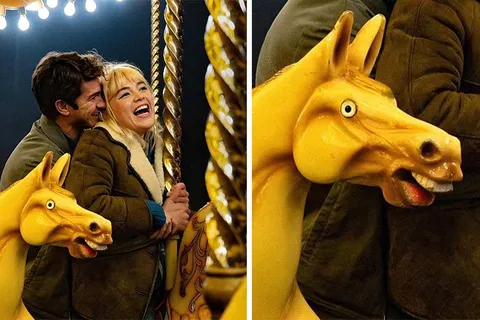
In the image, actor Andrew Garfield is smiling and looking straight ahead. The frame is cropped at the shoulders, with almost no background, so the viewer's attention stays on the facial expression. Unlike a still frame that shows dialogue, this portrait doesn't say what actually caused the smile. The caption written by the user turns the expression into a reaction — genuine laughter, a polite smile, restrained amusement, or an attempt not to laugh during a serious moment.
The actor and his internet persona
Garfield is known for film roles, including Peter Parker in the "Amazing Spider-Man" series. Photos and clips of him are often used outside their original context, especially when a close-up delivers a clear emotion. But not every shot of the actor is a distinct, established template with a single origin. In this picture, it's a smiling portrait; the exact source of the photo and the reason for the smile haven't been established. So it's more accurate to call it a reaction portrait rather than an exact quote or a documented interview moment.
Shades of a smile
A smile can signal joy, awkwardness, disbelief, sympathy, or hidden mockery. The meme caption picks out exactly the shade it needs. For instance, the face can represent someone who received a compliment and doesn't know how to respond, or a coworker trying not to laugh during an important presentation. The more specific the situation, the easier it is for the reader to interpret the smile. If the text implies gloating or a real conflict, the portrait doesn't confirm such feelings — they belong to the edit, not the photo.
Example captions
"When the teacher says the assignment is optional, then adds: but it'll help you prepare for the exam." "I'm smiling because a coworker finally found the button we'd been looking for together for half an hour." "When a friend tells the same story for the fifth time but is still waiting for genuine surprise." These are new everyday ideas, not statements about anything Garfield actually said. The image can be used as a single frame or as part of a "what I say / what I think" pair, as long as neither half turns into a position attributed to the actor.
Limits of the portrait template
Since the source of the shot and the reason for the smile haven't been established, a caption about politics, personal relationships, or a specific person would rest on the facial expression alone, not on facts. The expression doesn't prove the actor is laughing at a particular person or event. The exact original source of the photo should be verified if an article claims to date it. Until that's established, the shot can safely be used as a generalized reaction to a comic situation. User-added text should read as clearly joking and not resemble a news headline.
In some contexts the smile reads like a reaction to a good joke; in others, like polite agreement after which the character doesn't dare object. That's why this portrait is useful for nuance, not just for loud laughter. The caption can frame the thought in parentheses: "saying I understood everything (until the other person asks me to repeat it)." If the image is placed next to someone else's quote, make clear that the words were added by the editor and aren't taken from something Garfield actually said.