From a comedy sketch to a reaction
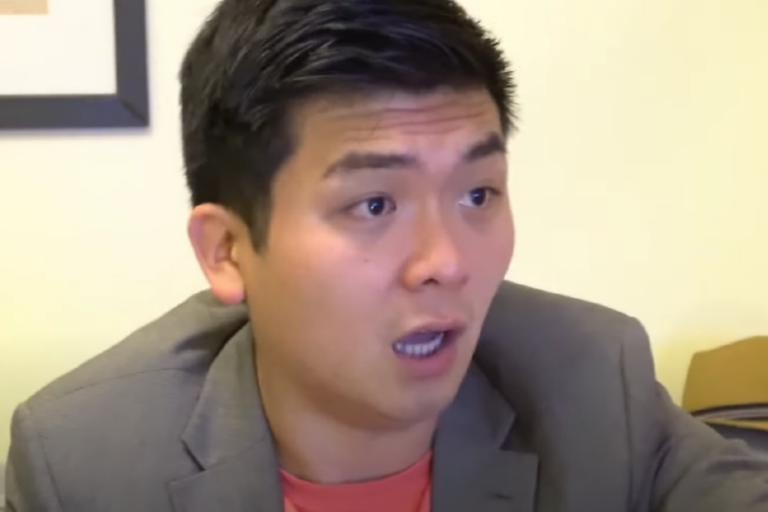
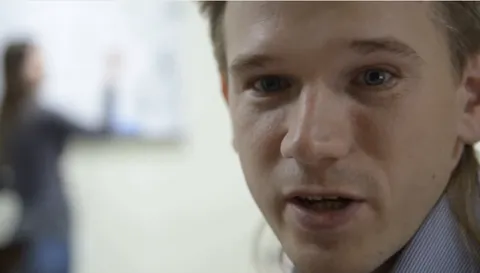
The man pictured is the comedian and sketch writer Steven He. The line became famous through a video in which he plays out video-game difficulty levels and family expectations. In the sketch, the character gets a sharp remark, after which He announces in an exaggerated tone: “Emotional damage!” The phrase means harm to one’s emotions, but it is delivered as if a critical-hit message had just popped up on the screen.
The original comedy video appeared in 2021, after which a short clip separated from the long sketch and became a reaction in its own right. The strong voice, the pause, and the instantly readable facial expression made it convenient to reuse. It is worth remembering that this is a comedy sketch, not a real diagnostic term or a medical conclusion.
How the joke works
The format is based on a mismatch between an ordinary unpleasant event and a theatrical reaction to it. Someone wrote a dry “ok,” canceled a meeting, or noticed a typo, and the hero reacts as if he took a crushing blow. The word “damage” also recalls gaming language and the health bar: the viewer imagines the life-point bar dropping sharply. This metaphor quickly conveys that the remark hurt the person, but in a comic way.
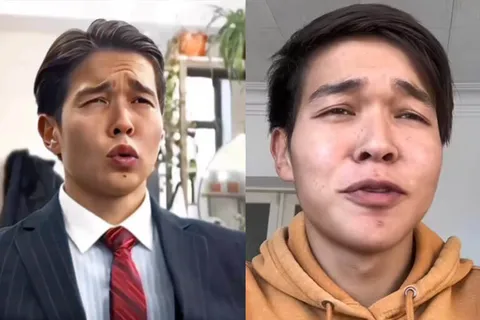
The meme also has a recognizable rhythm: first a jab or an awkward moment is shown, then a big reaction, and the phrase is spoken. In a static version, this transition is usually carried by a caption next to the hero’s face. The effect is stronger when the original situation is genuinely minor and the reaction is maximally serious. If the subject is a real tragedy or deep psychological trauma, the joke can sound callous and lose its harmless hyperbole.
Examples and remakes
For example, a screenshot of a chat can get the caption: “I sent my boss final_final_definitely.xlsx and he asked where the previous one was.” In another version, the hero looks at a notification that a delivery will be ten minutes late. The point is not the particular subject of the joke but that a small annoyance gets the visual scale of an action movie’s final scene.
The format is often used for friendly teasing: a test grade, losing a game, an awkward slip of the tongue, or a sudden reminder of a deadline. It is better to joke about the situation than to attack a person’s vulnerability. For recognizability you can keep the English phrase and write the explanation in your own language; the phrase can also be translated if the audience does not know the original audio. He’s face already carries the main emotion, so a long text is usually unnecessary.
Care with cultural context
The original sketch plays on stereotypically inflated parental expectations and a cultural theme; it does not claim that all Asian families are alike. In new captions, do not turn the character into a mockery of nationality or accent. The quote became popular as a universal reaction to an emotional sting, and for most modern remakes what matters is the hyperbole, not the character’s background.
If you post the frame on its own, do not attribute to Steven He words he did not say in the original. Do not call the meme a way to identify psychological harm: it is a colloquial metaphor and a comic sound. The most accurate explanation is simple: the hero reacts dramatically to an offensive or awkward remark. This wording preserves the context, does not exaggerate the medical meaning, and helps even a reader seeing the image for the first time to understand the joke.