The person and the recognizable shot
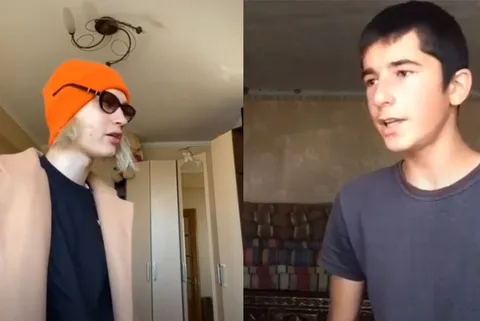
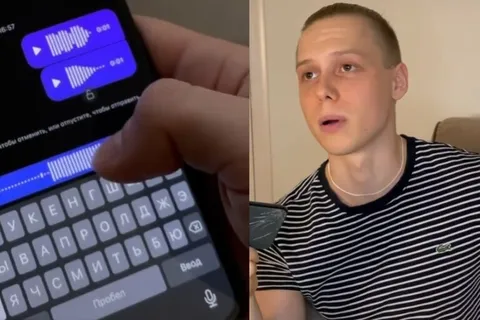
The image combines two portraits: a young man in a light hoodie and a close-up of a character in dark clothing with a pointedly serious expression. The meme is tied to the blogger Argenby, whom trend write-ups call Argen Kerimov; the exact origin of each frame in the file, and the history of the edit, can't be established from a single image. It's therefore safer to speak of a widespread image rather than attribute authorship of individual edited photos to the blogger himself.
In viral short videos from late 2022, Argen performed an expression resembling the "sigma face": lips pursed, gaze fixed on the camera, the emotion barely shifting. Reports link the wave to Argenby's TikTok content and to parodying the character Patrick Bateman. At the same time, "sigma" isn't a scientific personality category but a ready-made internet label for a frozen stare and pursed lips: the meme values precisely this fixed pose of confidence, not a reliable account of the person's character.
What the sigma face means
The format shows a person who seems to stay in control while something awkward or ridiculous happens around them. The motionless face acts as a reaction of either "that didn't impress me" or "I had it all figured out." The joke often deliberately inflates the stakes: a trivial everyday thing is presented as a victory in a difficult trial. Because of the serious expression, the viewer sees the contrast between the real scale of the event and the importance the caption assigns to it.
The image can be good-natured, self-ironic exaggeration, but it easily turns into empty bragging. It's better to aim the joke at the situation or one's own behavior rather than use the word "sigma" as proof of superiority over other people. That approach keeps the recognizable composure without turning the meme into serious advice about relationships or social status.
How the template evolved
The popularity of sigma vocabulary grew alongside videos portraying a lone figure as independent, successful, and needing no approval. In short videos the facial expression can be repeated, sped up, zoomed in on, or paired with dramatic music. User-made versions often take just the gaze and turn it into a reaction to unexpected praise, a failure, a sudden obligation, or an overly difficult task.
The expression itself has no single owner: similar grimaces, film stills, and acting poses existed before. Argenby became a notable figure of one particular wave, but that doesn't mean he invented the concept of "sigma" or every variant of the sigma face. The article separates this recognizable image from the vast, constantly shifting pool of similar templates.
Examples for your own captions
For school: "When you opened the assignment ten minutes before the deadline and suddenly realized it was due last week." The joke targets the author's own procrastination, and the unshakeable face heightens the gap between the panic inside and the confidence on the outside. For the kitchen: "The recipe said add a pinch of salt; I added exactly one and now call it precision." In both cases the subject of the caption becomes the butt of the joke themselves.
For a gaming chat this works: "The team asked if there was a plan; I looked at the map as if there already was one." For a work message: "Said 'I'll just quickly check my email' and forty minutes later I'm digging through last quarter's archive." You can lay the image out as two frames: the ordinary face before a minor victory and the close-up after it, but the edit shouldn't create the impression that the blogger actually said the invented words.
If a viewer doesn't know the word "sigma," the image is still understandable as a display of confidence. So the caption should be short and explain only the specific absurdity. There's no need to add sweeping statements about women, men, or "alpha" hierarchies: they're not needed for the joke and turn a harmless expression into a dubious generalization.