The image hints at the format
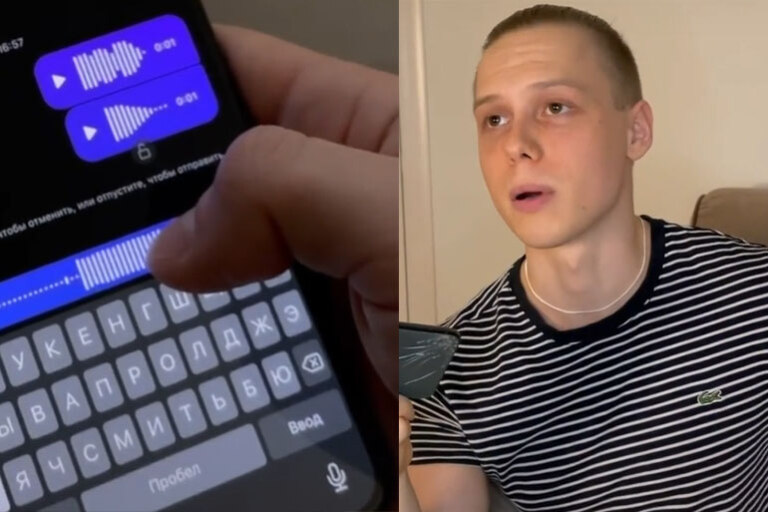
The image is split into two parts: on the left, a close-up of a phone showing a chat with voice messages; on the right, a young man in a striped T-shirt. This visually leads into the meme sound but doesn't verify the exact recording or the video's date. The meaning is usually carried by the voice: the unexpected preference is stated seriously and at length, which is what makes the mundane confession funny. Different versions of the recording and the continuation of the phrase can vary, so no single transcription should be declared the one canonical version.
A line from a short video
The original quote is attributed to the TikToker Yanchik, known as @ynchq. It went viral through short clips and reuse of the audio track: users attached the phrase to their own images, dialogues, or reactions. The fragment's popularity doesn't mean it reveals the author's personal life or amounts to a serious statement of preference. It's more reliable to call it a comedic internet sound rather than draw biographical conclusions from it. Without an accessible primary source, the exact date of the first upload and the precise circumstances of the original filming shouldn't be treated as confirmed.
The comedy of the confession
The narrative structure is simple: the subject first states a formula of personal preference, then names the object in a way that makes the audience expect either a romantic or an aesthetic story. In the unexpected continuation, mundane specifics and a serious tone collide with the usual expectations. The sound became a template precisely because it's easy to swap in a different hobby or a wildly mismatched detail. That said, it's worth remembering what's actually funny here: the mismatch between setup and payoff, not the group of people mentioned in the quote.
Examples of new variations
This sound is most often captioned with things like: "I love it when people sort their cables by color, and then mix them up anyway" or "I love it when a spreadsheet admits on its own which cell has the error" — paired with a shot of a blank sheet full of formulas. A third variant starts solemnly and ends on something trivial: "I love it when a café... brings the water right away without asking." These lines are invented to demonstrate the form and aren't Yanchik's own words. The format works best kept to one short phrase and doesn't need extra explanation underneath the video.
Use and respectful context
The template suits casual conversations where the audience gets the play on tone. If the phrase touches on appearance, sexuality, or personal preferences, the meme line shouldn't be passed off as proof of the author's actual views, or used to pressure a real person. The image shows a phone with voice messages and someone on the other end, but the specific chat isn't identified. Only the link between the sound and the TikTok format is known; the picture shows a phone with a voice message, and the man pictured is not identified with Yanchik — a single frame doesn't establish more than that.
A short audio clip spreads especially easily apart from its image. Once the viewer recognizes the opening words, they wait for the punchline; the montage can show an object, a person, or a whole lineup of absurd candidates. The pause between the setup and the payoff sets the rhythm, so when making your own version it helps not to overload it with extra lines. That keeps the structure of the recognizable sound intact while the joke stays original and isn't passed off as the original recording.