How a voice message became a recognizable sound
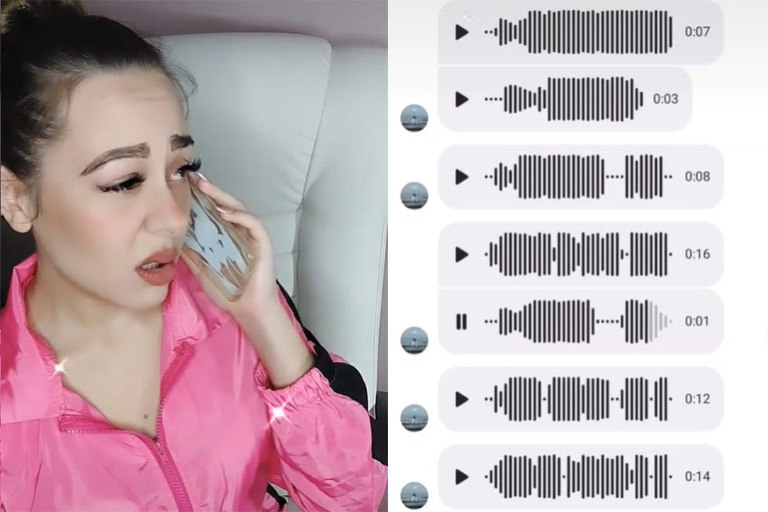
The image shows a phone screen with an audio waveform: visually it emphasizes that the joke is based on speech rather than a photo of a specific character. In a widely shared story, a client was trying to book a manicure before a holiday and sent the technician several voice messages. In one of them she said “Elena, alyo”, which users began to cut out, re-voice, and use in short videos.
Popular retellings link the original post to a nail service technician's TikTok account in the autumn of 2021. Such details come from secondary retellings; the original video and the full conversation are not always available for independent verification. So it is safe to describe the meme as a viral audio clip, rather than to assert the client's identity, her motives, or the exact sequence of the exchange. Re-uploads may have altered the sound and context.
Intonation matters more than the literal question
The phrase starts as an attempt to get through to someone, but repetition and insistent intonation make it comically excessive. Viewers recognize the situation: the message has been read or left unanswered, the wait has dragged on, and patience runs out. The meme fits not only booking a service but also any harmless everyday reminder, for example when a friend has to pick a café or a colleague has to confirm a meeting time.
At the same time, the original story concerns recognizable private communication. Publishing the clip does not make the participants public figures and does not give grounds to mock a specific person. The joke works through rhythm, pauses and the recognizable address, not through accusations against the client or the technician. If the context is personal, it is better to retell the situation in general terms and not look for the profiles of the real participants.
Examples of captions for the audio waveform
“Me: sent one question. Me five minutes later: Elena, alyo, which movie are we putting on?” This is an example of deliberately ramping up an ordinary wait. “When friends say ‘in a minute’ but the minute lasts forty minutes” fits group plans. In such captions the addressee is a familiar situation, not a real technician or client. It is exactly the transfer of the phrase into a new context that made it a convenient sound for such reactions.
For a work chat, the delay can be playfully worked in: “Reminder about the mockup before lunch; I'll save the dramatic version for later.” Such a caption keeps the meme's mechanics of escalation but does not send an aggressive sound to a colleague. Another option: “When the courier writes ‘be there soon’ and the map has changed my route for the third time.” Keep the text short, and use the repeated address only once, otherwise the joke turns into pressure.
Using it without bullying
This sound suits friendly chats, a short video about a drawn-out wait, or a self-deprecating post. It is a poor fit for publicly exposing a client, publishing private correspondence, or discussing the appearance or character of a participant in the original episode. Do not attach someone's real name to the meme phrase as if that person actually said it: a funny edit is easily taken for an exact quote.
If you make your own version, keep a clear escalation: first an ordinary question, then a comically impatient reminder. Add enough context for the viewer to understand what went unanswered. Do not put the audio on a message about illness, loss or an urgent problem: there, insistence stops being a harmless joke. The meme's universality rests on an everyday delay, not on humiliating the other person.