The image and its tone
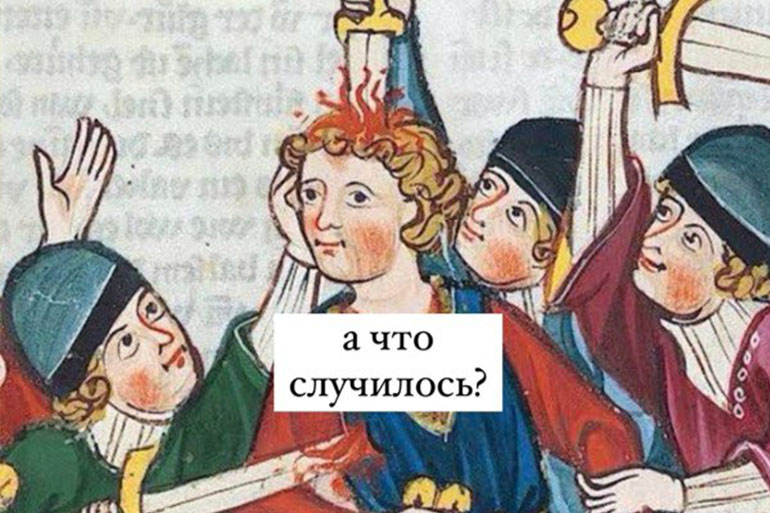
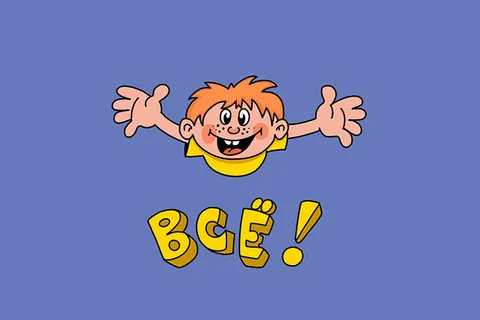
The image shows drawn characters, one of whom has raised a hand, with the question "and what happened?" placed over the frame. The composition looks like a collective reaction: the characters either ask for an explanation or pretend not to understand what's being discussed. The frame alone doesn't let you reliably identify the series or the exact episode. The main meaning comes from the line itself. Outside a political context it can read as plain surprise; when discussing the news, it often sounds mocking and implies that the person hadn't been paying attention to what was happening.
How the formula spread
The phrase became especially prominent on the Russian-language internet in early 2022, when sanctions, companies leaving the market, and changes to everyday routines triggered a huge wave of reactions. In memes, the question "and what happened?" was used as a sarcastic line aimed at someone who had previously stayed "out of politics" and then suddenly noticed the consequences of events. It's a common internet turn of phrase that various communities reshot and captioned in their own way, not a quote from a single verified statement. It's hard to establish exact priority for individual images and captions: they were quickly reposted and altered.
Why the question can sound biting
Literally, it's a request to be told what happened. In the meme context, the viewer hears a subtext: "you didn't notice the obvious changes for a long time, and now you're asking?" What's funny is the gap between the long unfolding of events and the character's sudden naivety. That's exactly why the same image can be a friendly joke between friends or a reproach in a political discussion. The text surrounding the picture determines which reading applies.
Examples that aren't just about politics
"For six months he said the printer would sort itself out. Now he's asking why it's out of paper: and what happened?" — a domestic version. "Friends had been discussing the move for a month, and you only opened the group chat today." The question can also be used in gentle self-irony: "Hadn't checked the calendar in two weeks. Why are there meetings all day today?" These examples show the plot of belated realization without tying the template to any real political stance.
When precision matters
In a political context, this phrase is often tied to the question of why a person hadn't previously noticed a war or economic and social changes. Don't turn it into a claim that everyone knew the facts equally or was equally free to speak out publicly: access to information, personal circumstances, and risk all differ. The meme picture by itself doesn't confirm any specific historical episode and doesn't explain causes. If real events are being discussed, cite dates and verifiable facts separately. The character in the picture shouldn't become proof of someone else's motives.
The question can also serve a friendly purpose: a close friend genuinely asks to be filled in on events they missed, and the author answers without reproach. In that case the meme picture creates light self-irony but doesn't accuse the other person. The political version, by contrast, implies prior willful ignorance. If the caption is addressed to a real acquaintance, their motives shouldn't be assumed to be known from a single question. Distinguishing between genuine surprise and sarcasm helps choose the right wording.