The word, the gesture and the speech
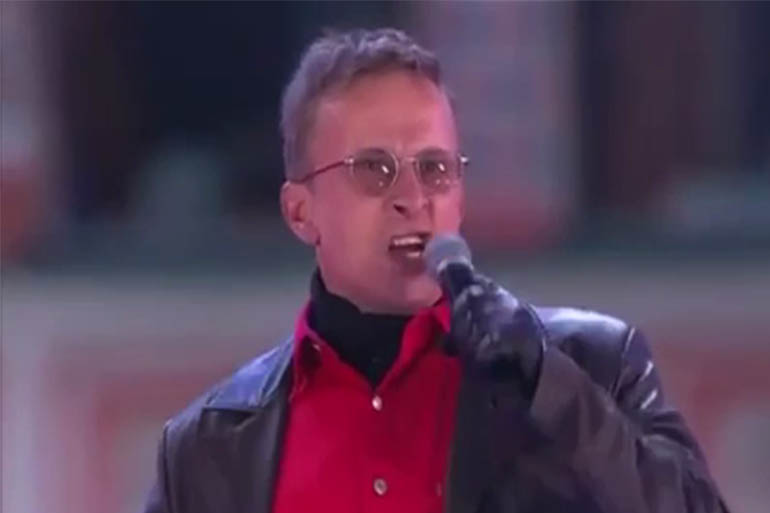
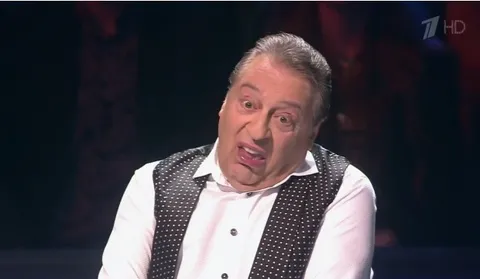
In the image used here, Ivan Okhlobystin speaks into a microphone, and his face and raised hand convey a tense, theatrical delivery. The quote "Goyda!" comes from his speech at a rally-concert in Moscow on 30 September 2022. The meme spreads this recognizable fragment of a public speech, not a line from a feature film.
During the speech Okhlobystin called the word an old Russian battle cry. Its origin and meaning have been discussed by linguists and historians; popular publications offer different explanations, including links to interjections and historical shouts. One simple etymology cannot be reliably asserted on the basis of a single speech. It is important to separate the fact of the performance from the speaker's own claim about the word's antiquity.
From political rhetoric to a quote
The speech was part of an official political event, and its emotional delivery quickly became a subject of discussion. Publications compared the loudness of the shout, the gesture and the surrounding stage; edits transplanted the phrase onto film clips, video games and everyday situations. As a result the quote took on a life that is not reducible to agreeing or disagreeing with the speaker's position.
The joke is often built on an excessive call to start a simple task: a person shouts the word as if rallying an army, while ahead lies clearing the table or sending an email. Others use it to satirize agitation and overly dramatic public speaking. The meme itself does not show how the audience in the hall reacted and gives no grounds to attribute the same position to everyone watching.
Different edits may keep only the word, only the gesture, or the whole stage fragment. This changes the meaning: outside the original speech the shout becomes a universal hyperbole, while in full context it remains a reference to a specific political event. For historical accuracy it is better not to mix these two modes.
Examples of ironic use
"Goyda! Opening the spreadsheet and filling in one cell." The solemn call is deliberately out of proportion to the microscopic task. "Goyda! Time to take out the trash; the bag is already running its own political campaign." The second half suddenly shrinks the scale and brings the phrase from grand rhetoric back to a domestic situation.
For a parody of advertising pathos you could write: "Goyda! The discount is valid until you close the tab." If you are discussing a political speech, it is better to make the satirical tone clear and not replace it with a false quote. The examples above were made up for this article, do not belong to Okhlobystin and do not reproduce his real words, apart from the well-known short formula itself.
Sensitive context and presentation
This meme grew out of a speech given against the background of war and political conflict, so audiences may not perceive it as a harmless shout. For an everyday joke it is better to transfer the intonation to a neutral task, not to glorify violence and not to mock people affected by political decisions. If you need an analytical text about the speech, separate documented details from judgments and from the disputed etymology.
When editing, keep the face, the microphone and the gesture; without them the energy of the scene is lost. A short caption above or below the frame is usually clear enough; a long argument about the history of the word is better placed in a separate description. Do not add fake credits to the image and do not present a joking explanation as a dictionary definition.