Who Khazanov is
Gennady Khazanov is one of the most famous Soviet and Russian comedians and stand-up-style performers. His name is associated with variety stage work, impersonation, and a knack for portraying people and characters. For decades he performed on stage and on television programs, and viewers came to remember him as a master of facial expression and intonation.
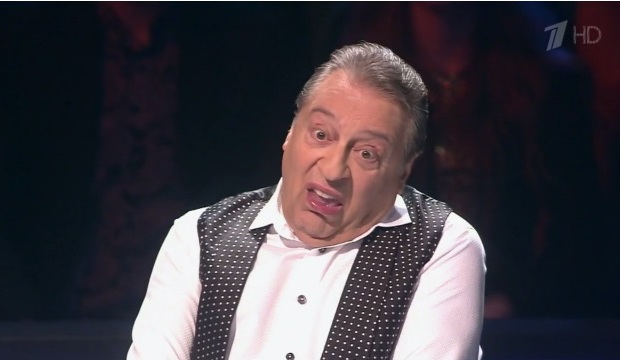
The show 'Tochka v Tochku' on Channel One is built around transformation: contestants perform impressions of famous performers, while the audience and the judges rate the resemblance. It was during a broadcast of this program that the shots which make up the meme were filmed.
The shots and what they show
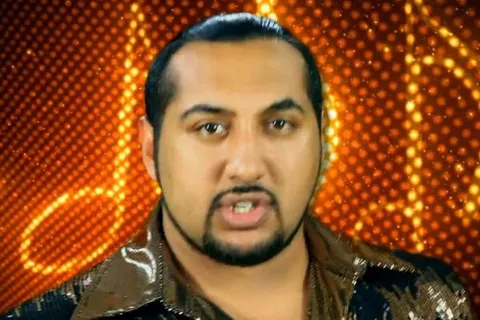
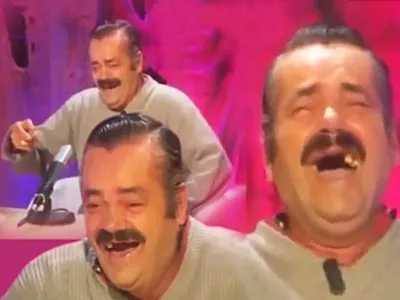
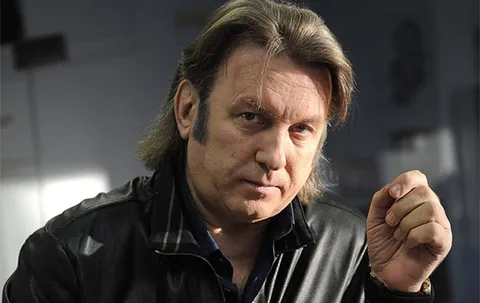
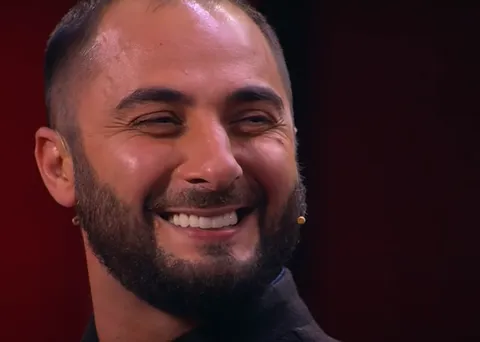
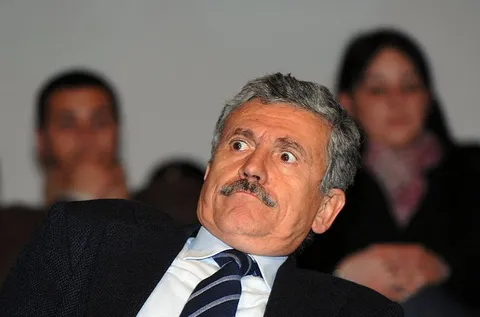
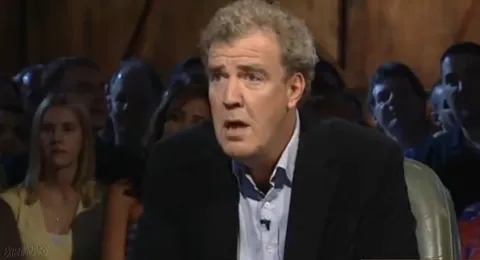
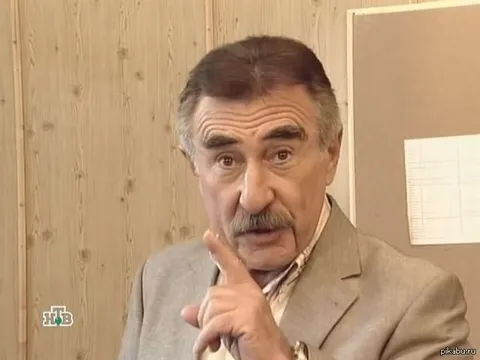
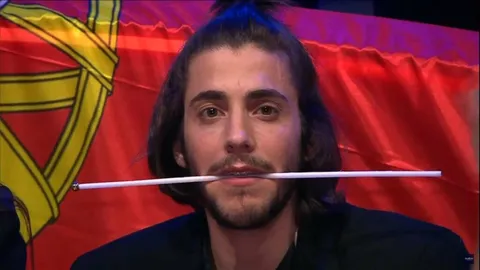
In the photos, Khazanov displays a wide range of emotions: surprise, disbelief, delight, exhaustion, quiet disapproval. His face works almost like a separate instrument, and each expression reads instantly. It is precisely this quality that allowed the series of photos to be turned into a template for comments.
The channel's logo in the corner of the frame points to the material's television origin. The shots were not taken for the meme — they are live moments from the broadcast, which heightens the sense of recognition and makes the reactions more convincing.
Origin of the meme
Exactly when the 'for every occasion' series appeared has not been possible to establish. The series dates to 2016. The meme likely took shape in internet discussions, where users were looking for a suitable reaction and found it in the actor's facial expressions.
Its spread most likely went through communities where it is customary to answer with pictures instead of words. The shots stood in for phrases like 'I'm shocked,' 'I don't care,' or 'this is too much,' and over time the set of reactions became recognizable.
Facial expression has always been a craft of its own in comedic art. Stand-up performers and impersonators spend years training the ability to switch expressions within seconds so convincingly that the viewer believes the new emotion. When such a shot ends up on the internet without sound and without context, it keeps working on its own: the viewer reads the mood from the face alone.
How the reactions are used
Users pick the shot that fits a specific situation: surprise at news, skepticism toward a dubious idea, delight at a good joke. The reactions read without explanation, so the meme works well in short replies and discussions.
The series also allows for irony: sometimes a shot is chosen to show an exaggerated reaction to something trivial. In that case the meme functions as self-deprecation and underlines that the emotion is deliberately theatrical.
It's worth noting that the meme isn't tied to one specific situation and carries no caption that would fix its meaning. That makes it flexible: in different communities the same shots take on different meanings, while the common denominator stays the same — the actor's recognizable expressiveness.
Why the meme works
The meme is built on expressiveness, not appearance. Its main point is skill with facial expression and the ability to convey feelings without words — qualities valued in acting and comedic work. That's why the shots are perceived as a tribute to talent rather than mockery.
The joke concerns the expressiveness of the face on screen and professional skill, not the performer's personal circumstances. The meme describes his public appearances and remains harmless even for those who know the actor only from television broadcasts.