Who is Yuri Loza
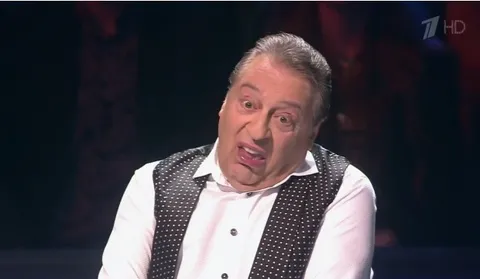
Yuri Loza is a Russian pop singer known for songs that played on the radio and in concert programs for several decades. His career is tied to pop music, and he has long remained a prominent figure on the Russian scene. Because of that, his public appearances and comments have regularly drawn media attention.
The biographical details given here are in broad strokes.
The story with the Rolling Stones
The meme grew out of a public statement in which Loza criticized the legendary British band the Rolling Stones, saying its members can't sing. Such a claim directed at a world-famous rock legend caused a wide stir, since many listeners found it controversial. The exact date and circumstances of the statement are not confirmed by sources in this text.
The story quickly spread across news outlets and social media. To part of the audience the comment looked funny and absurd; to others, it looked like a bold statement. The very fact of criticizing a legendary band became grounds for jokes and comparisons.
How Loza made use of the fame
According to the meme's description, after making it into newspapers and magazines, the musician got a taste of fame and decided to use the image of the critic to his advantage. This is a typical example of how a public figure can deliberately sustain interest in themselves through resonant comments.
As a result, as the description notes, every other piece of music and showbiz news often includes one of his remarks. This effect has made Loza a recognizable figure of internet humor, with his phrases perceived as part of the shared cultural context.
The meme's significance
Yuri Loza's story shows how criticism from a public figure can turn into a lasting internet image. It demonstrates that resonant statements can shape how a performer is perceived in the media for a long time to come.
Jokes about Loza usually concern his opinions and manner of speaking rather than his personal qualities. This approach fits ordinary criticism of public figures and stays within bounds as long as it's grounded in facts and real quotes.
A separate question is how such stories live on online. Fragments of statements quickly turn into headlines and captions, and a reader may not know the full context. That's why, when discussing the meme, it's useful to go back to the original sources and distinguish facts, quotes, and retellings. For a public performer this matters especially: his words become part of the shared cultural memory, and the image of the critic outlasts any particular interview or performance.
When putting together material like this, it's also important to keep the tone in mind. Irony about a public statement is fair when it concerns the position and the arguments, not someone's appearance, personal life, or past. This approach keeps things fair and makes the text useful for a reader trying to understand why the meme arose in the first place.