An interview instead of an aphorism
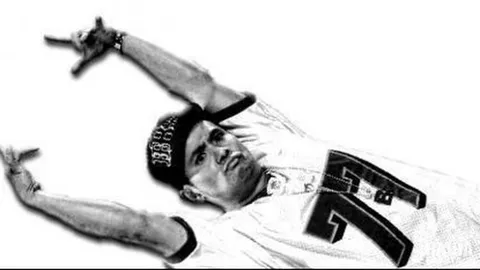
Escobar is the nickname of the frontman of Bredor, a Ukrainian band. In the surviving interview the conversation repeatedly drifts off course: the answers do not sound like polished lines for an audience. In one fragment the talk turns to two musical options. Escobar does not pick a winner: he declares both bad. From this the “axiom” grew; it is not a formula from mathematics, but a caustic everyday wisdom delivered with such finality that further discussion seems pointless.
How a remark became a sign of choice
The exact date of the recording is not established. The phrase circulated online by about 2007; a notable new audience came to it with the “+100500” broadcast in 2011. These dates describe different stages (appearance online and renewed attention) rather than a single moment of birth. As it spread, the story was increasingly retold without the musicians and the conversation itself. Then confusion arose with Pablo Escobar: a familiar surname and a rough tone helped attach the phrase to the drug lord, although in the original interview a different person is speaking. The word “axiom” also ironically raises the status of personal irritation: it sounds almost like a law of logic. Thus a short answer migrates into arguments over trivia, where no one expects proof but everyone recognizes the final intonation.
What the word “both” does
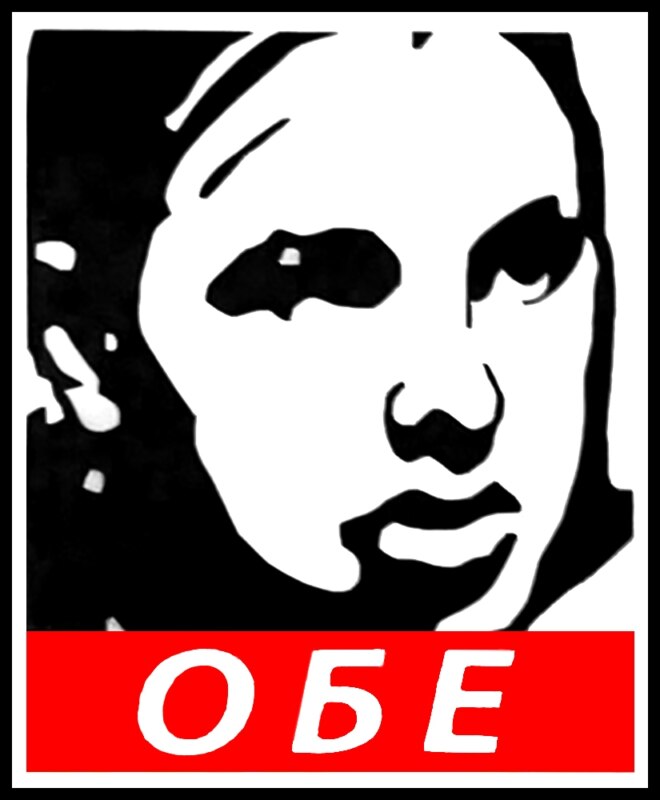
The picture shows a high-contrast portrait of a man and the large word “BOTH.” That is enough for the remark to work even without the full text: the eye lands on the verdict already delivered. In the original, what is funny is not merely that the two options are bad. Here is a man asked to compare them who refuses to accept the framing of the question itself. Formally one must choose one, but the answer literally returns the responsibility to the questioner: you offered both, and you get both in return. That is why the word was easily cut out of the long profane phrase: it keeps the gesture itself without repeating the whole contested language of the interview. The large portrait gives the terse reply both expression and intonation, although the question itself is no longer in the image macro.
Invented captions
Two versions of one unpleasant choice, “hand in the project Friday night” and “explain on Monday why it isn’t ready,” give a clear place for such a portrait. The caption “both” here does not declare that all options in life are equally bad; it conveys the irritation of a person who has been left with only two disadvantageous moves. Another example: “a meeting one hour earlier” versus “a meeting one hour later, but without coffee.” The comedy rests on the fact that the argument about the schedule is already lost before the vote. In a third case, “moving in the rain” or “postponing the move to the day of the exam,” the meme can become a friend’s reaction who does not want to choose on behalf of the organizer. Its strength lies in the recognizable intonation of refusing to play along with a question that carries a false sense of freedom.