Origin of the photo
The photograph that became the basis for the meme belongs to a series of portrait shots taken in the early 2000s. According to available information, the shoot was done by a British photographic artist who worked with actors on personal projects. The exact circumstances of the shoot, the date, and the name of the series are not reliably confirmed in open sources, so these details are given with that caveat.
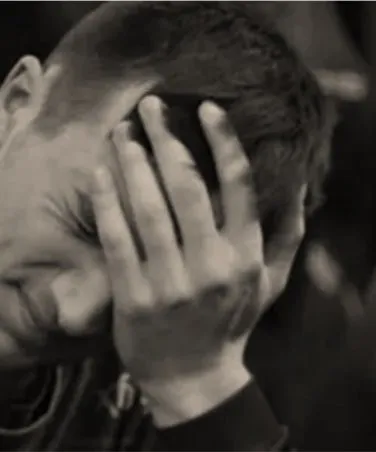
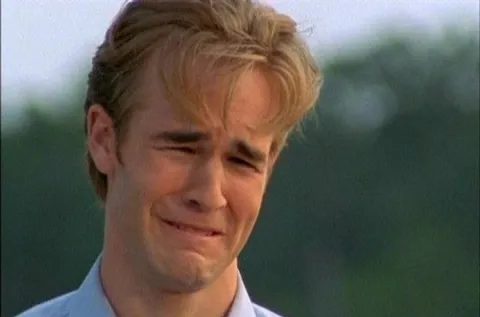
The frame captures a moment that looks only partly staged: the actor sits against a blurred green background, hands folded near his face, with tears running down his cheek. It's precisely this naturalness that made the image popular, since the viewer doesn't need to guess what's happening.
Judging by the tags, the meme itself is linked to 2004, though the exact date the shot first appeared online is not confidently established. The image likely began circulating on forums and blogs, where it was used to illustrate emotional posts, and later moved on to image boards and messaging apps.
Who Tim Roth is
Tim Roth is a British actor known for roles in Quentin Tarantino's films "Reservoir Dogs" and "Pulp Fiction," where he played Vincent Vega, as well as for "Rob Roy" and Tim Burton's "Planet of the Apes."
His typecasting is often tied to tense, complicated characters, which adds extra expressiveness to the shot. Viewers know the actor as a master of anxious and emotionally heavy roles, so the crying scene is perceived as sincere rather than rehearsed.
How the meme spread
Like many photographs with a pronounced emotion, the shot quickly became a universal reaction. Users overlaid captions about unhappy love, failures, canceled plans, and work fatigue. The image is convenient because it requires no explanation: the viewer instantly understands the mood.
In the Russian-speaking segment, the meme became established as a template for comments under posts about breakups and disappointments. In many cases it was used with self-irony, which lowered the drama and made the meme safe for jokes.
Variants and usage
There are variants with captioned frames, where the image is supplemented with a short phrase describing the situation. Sometimes the shot is inserted into replies in discussions to react to someone else's post, where it works almost like an emoji. This format is convenient for forums and comment sections that lack standard reactions.
Importantly, the meme barely depends on the context of the films: even people who don't know Tim Roth understand it. This is a characteristic trait of "emotional" memes, which live off the expression rather than off recognizing the character.
Cultural context
The meme fits well into the internet's tradition of ironic treatment of sadness. Restrained grief, shown without shouting, is perceived as honest, which is why it's funny to use it in the context of exaggerated internet dramas. Images like this often go through waves of popularity and return to feeds for years.
The exact dates, the photo's authorship, and its first online publications are not established in open sources, so the meme's history should be treated as approximate. Nevertheless, the shot itself remains one of the most recognizable images of the actor outside his filmography.