what's shown in the clip
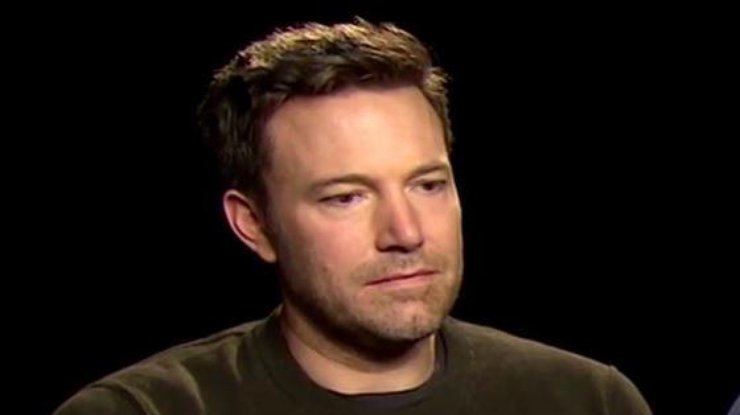
The shot is a close-up of Ben Affleck in a dark sweater against a black background. He sits with his gaze slightly lowered to the side, wearing a tense, somewhat tired expression. This framing is typical of studio interviews: the subject is shot close up against a neutral background so nothing distracts from the emotion.
It's the facial expression that became the meme's main focus. A sad, slightly bewildered look, without a word spoken, conveys disappointment, and the viewer reads it instantly, even without knowing the context. That's why the shot is easily lifted out of the interview and used on its own as a standalone reaction.
how it originated
The meme appeared on March 24, 2016, after Yahoo News published an interview with the cast of Batman v Superman: Dawn of Justice. The interviewer asked Affleck and Henry Cavill about critics' reviews, which had been mostly lukewarm or negative. Cavill answered at length, while Affleck sat silently with a sorrowful expression during that time, and it was this moment that made it into the clip.
Soon after it was published, users isolated Affleck's reaction and cut it into a separate video. The most famous version paired this scene with "The Sound of Silence" as performed by Simon & Garfunkel, while headlines of negative reviews appeared on screen. The video racked up more than a million views in two days, and on its wave the song charted again: in April 2016 it reached number six on the Billboard Hot Rock Songs chart.
Affleck himself later commented on the meme. His response was described as both amused and a bit embarrassed, which fit the joke well: the actor didn't argue with the shot's popularity. The meme itself was not tied to any conflict with the press; it was a spontaneous reaction that viewers turned into a joke.
how the meme is used
The classic use is to express disappointment, sadness, or frustration over a setback. The shot suits situations where expectations weren't met: a bad grade, a cancelled project, unpleasant news, or just a dull Friday. Captions are usually short, like "when you found out the rating" or "when they told you the deadline got pushed back."
A second common form is video remixes and photoshops. Users insert Affleck into scenes from other films, shows, and cartoons, or overlay gloomy music on his shot. The meme adapts easily, since its foundation, a single facial expression, can be dropped into any context.
Over time the shot also began to be used in lighter contexts, as a sign of good-natured irony rather than only disappointment. For example, it's applied to one's own failures or to someone else's minor mishaps that don't warrant real sympathy. That flexibility helped the meme outlast its initial wave of popularity.
why the meme works
The meme's main strength lies in the contrast between a serious subject and the complete absence of words. Affleck says nothing, but his silent reaction explains everything: the actor seems to agree with the criticism while also trying to get through an awkward moment. The viewer sees this as a relatable human gesture rather than a theatrical grimace.
The second layer is an ironic jab at the industry itself. The meme pokes fun at a situation where an actor is forced to listen to an assessment of his own work under the camera's glare. That's why the joke is both friendly toward Affleck and recognizable to anyone who has seen interviews like it.
Finally, the meme works thanks to the music. The Simon & Garfunkel song sets a sad, solemn tone, and the sorrowful-faced shot pushes the effect into comedy. The combination of dramatic sound and a mundane reaction creates a parody that's understandable without knowing any details about the film.