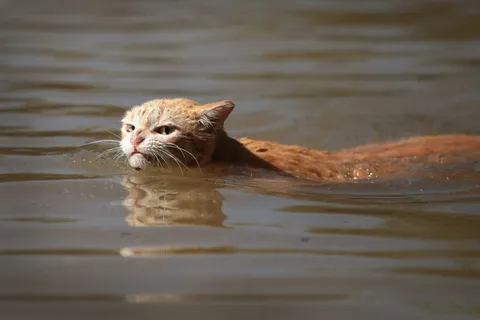
From a serious cat to a tearful version
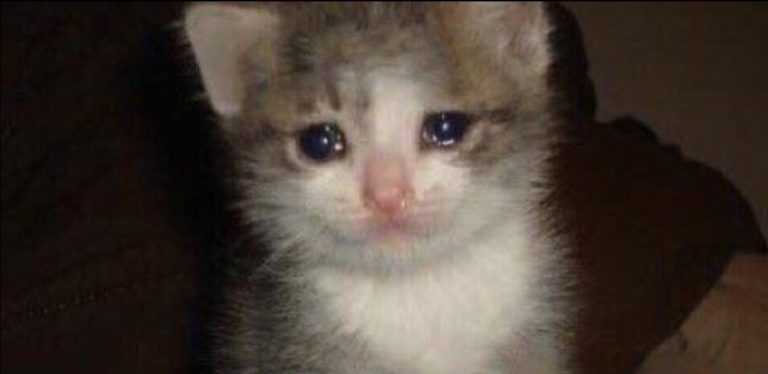
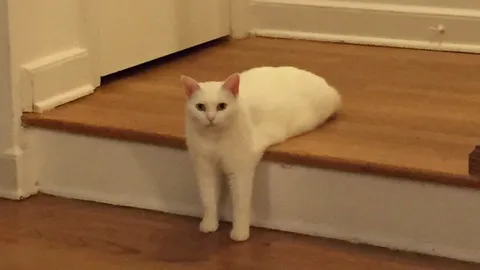
The Crying Cat family has no single fixed cat face. The early known version is dated June 2014: a meme generator produced an edit based on the white “Serious Cat.” The wet gleam changed the dry stare of the familiar character into a tearful one. The gray-and-white kitten is another variant of this family; the date of the early edit with the white cat does not establish the origin of its photo.
In this photo the kitten is shot in close-up against a dark background. The ears, nose and fur look like part of the original picture, while the excessively moist eyes draw the gaze and change the mood of the frame. This is one variant of a large family of photo edits; its comic signal comes from the eye treatment, not from literal tears of the animal.
A small annoyance becomes a drama
The key effect rests on scale: the cause is often minor, but the eyes promise tragedy. The caption can be short and specific — the delivery was delayed, a favorite snack ran out, a free evening got canceled. The picture does not prove the hero is going through real grief; it depicts a conventional “this really upsets me” in a way that lets the reader recognize the exaggeration.
Unlike an angry cat, there's no conflict with an external opponent here. The tears make the reaction soft and slightly pleading: the viewer is invited not to argue but to give in or feel sorry. But this tone is not mandatory. The cat can also depict theatrical self-pity, when the person knows their request is funny and still hopes for a concession.
Invented captions
The examples are invented. “When the meeting was moved ten minutes earlier and the coffee isn't ready yet” — the tears fit because a minor glitch in the schedule feels like a personal catastrophe. “Me: I'll take just one piece. The plate with the last pastry: already gone” builds the joke on belated regret. “I sent the file without the attachment and only now saw the reply ‘where's the document?’” makes the cat a reaction to one's own awkwardness rather than someone else's fault.
In all three cases the caption names a specific cause, so the expression doesn't turn into a generic picture without a story. Situations where the reader grasps the gap between the real damage and the cat's dramatic look work especially well. If the cause is genuinely serious, the same effect would look cold: the comedy depends on a safe everyday trifle.
One technique across different cat faces
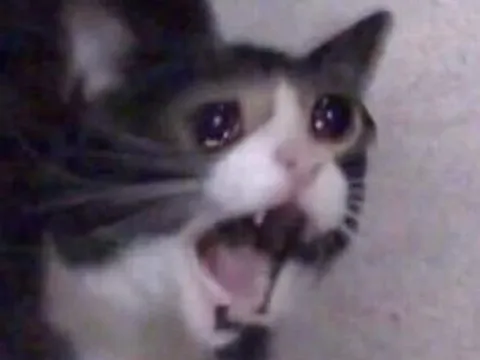
The white “Serious Cat” and this kitten give the edit a different background. In the first case the tears break an already familiar stern mask; in the second, the small face and dark surroundings direct attention straight to the eyes. That's why the family is recognized by the altered expression rather than by a single animal. Such a reaction doesn't require knowing the preceding macro or the story of a specific photograph.
The edit changes the photo's role: instead of a portrait of a pet, it becomes the face of a notional interlocutor. In a conversation it can belong to the message's author or to someone they're worried about. This shift of speaker lets a single photo depict a complaint, a request for a concession, and a sympathetic reply, while keeping the recognizable shine in the eyes.