A photo from a promotional shoot
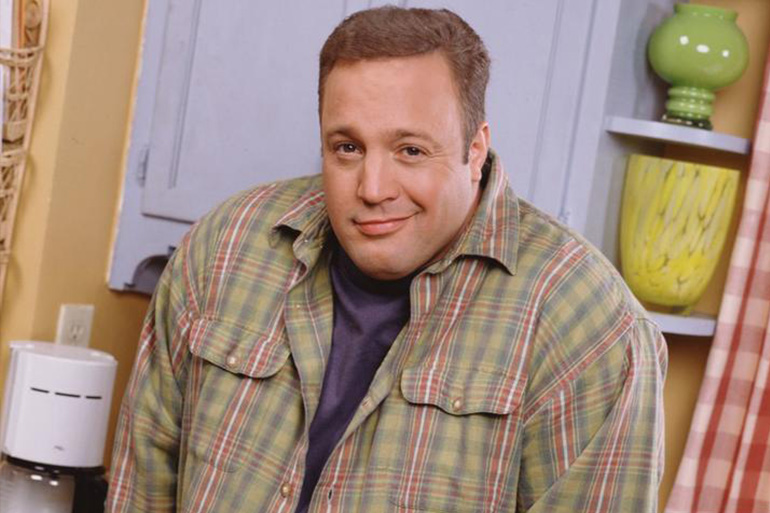
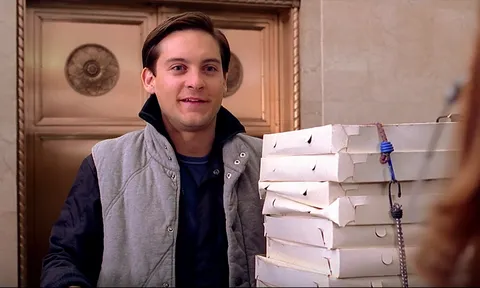
The photo shows actor Kevin James standing in a green plaid shirt, hands in pockets, slightly shrugging his shoulders. This is not a scene where his character delivers a punchline: the shot comes from a promotional photo shoot for the late-1990s sitcom The King of Queens. This context explains the simple clothes and the posed but relaxed look. For a long time the photo remained an ordinary portrait and became a reaction image only years later.
In 2023, the image began circulating actively with short captions. Importantly, the meme does not rely on any line spoken by James and doesn't require knowing the show's plot. It works as a silent gesture: someone has noticed an awkward moment, accepts the situation, and seems to admit they won't argue. New captions are usually added next to the image, so the photo itself stays recognizable.
Why the smile sounds like an answer
The facial expression combines smugness and embarrassment at once. With raised shoulders, hidden hands, and a brief smile, the character seems to brush off a minor offense without looking angry or truly guilty. The joke is built on this in-between state. If the caption describes not a disaster but a petty trick, an accidental slip, or a clever way around a rule, the image turns the confession into a light wink.
It helps to tell this reaction apart from triumphant gloating. The character isn't celebrating someone else's failure or proving they're right; he acknowledges a fact and tries to make it less tense. For example: "I accidentally turned on auto-captions during a work call" or "Yeah, I did take the last cookie after all." In both cases, the image adds a friendly sheepishness. It does not suit a serious conflict or a genuine apology: a joking smile can come across as indifference.
When this reaction fits
In chats, the photo works as a standalone answer to an innocent exposure: a friend guessed who finished the snacks, a colleague noticed you came to a meeting with a mug instead of the documents, or a relative figured out your small plan to put off cleaning until tomorrow. The reader sees the soft smile first, then the caption explains the transgression. This order preserves the effect: the picture does not so much illustrate the event as show the attitude toward it.
You can also use the format as a response to praise if you want to accept it without lengthy self-praise: for example, "Who fixed the spreadsheet in five minutes?" — "I checked one formula and accidentally found everything else." Self-deprecation does the work here. But avoid ambiguous captions where the other person expects a clear yes or no. James's smile is deliberately evasive, and in work chats this can get in the way.
How to come up with your own caption
Start with a small admission that someone could make without serious consequences: "I left the TV show tab open," "I put lunch in my calendar so I wouldn't forget," "I came for one thing and bought only that... almost." Then check if the original reaction supports exactly that tone. If the situation calls for remorse, anxiety, or anger, pick a different frame. What's funny here is not the offense itself but how easily the character tries to turn it into a harmless episode.
A short caption usually works better than a multi-line explanation: the reader only needs a moment to match the gesture with the confession. Don't claim to know the actor's real emotion or pretend the phrase is from the show. It is a photograph that became a universal reaction thanks to the facial expression. Its advantage is flexibility: an everyday slip-up, a cautious "yes," and modest bragging can fit the same gesture if the scale of the joke stays small.