The 1987 song and video
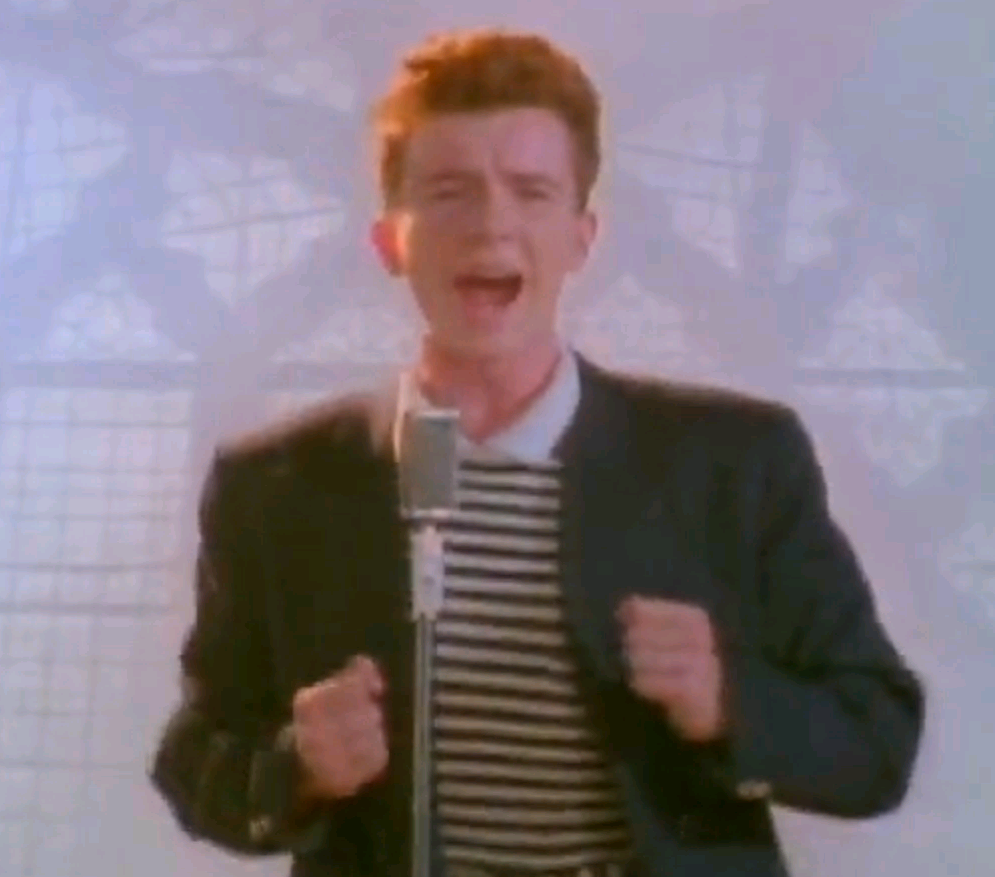
The song "Never Gonna Give You Up" was written by the production team Stock Aitken Waterman, which included Mike Stock, Matt Aitken, and Pete Waterman, and performed by the English singer Rick Astley. It was released as a single in 1987, topped the British chart, and reached the top of the charts in many other countries. The video with Astley was shot in the characteristic style of the 1980s: bright colors, the singer's recognizable hairstyle, and energetic performance.
The line "Never gonna give you up" translates as a promise never to abandon someone, and that lyrical tone later became an important part of the joke. The viewer expects serious content and instead gets a warm pop hit, and it's exactly that contrast that makes the prank funny.
The birth of the prank
The earliest widely known mention of rickrolling is dated to 2007, when anonymous users of the imageboard 4chan began swapping out video links for footage of Astley. A typical trick looked like this: in a thread, someone would offer to show something interesting — a trailer for a new game, say, or a review — but the Astley video would open instead. The exact date of the first swap and the author of the idea are not known.
The prank built on internet jokes that already existed, where a swapped link worked as a sudden dead end. The choice of song turned out to be especially apt: the 1987 video was well known to people who grew up on 1980s music, while for younger audiences it looked comical and unexpected.
How rickrolling went mainstream
According to a widely circulated account, in 2008 the prank moved beyond imageboards: on the first day of April, YouTube supposedly swapped its homepage so that Astley's video appeared in place of popular content. The details of this stunt are unconfirmed, and the account remains widely known but unverified.
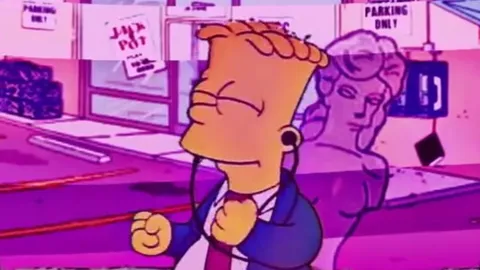
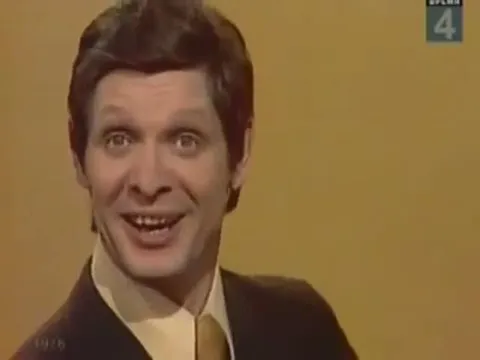
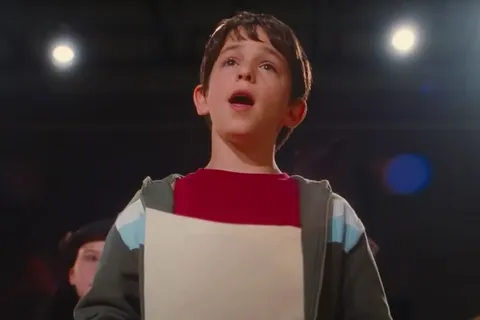
After that, rickrolling quickly became part of everyday internet humor. It was used in ad inserts, on websites, and in games, and the joke itself turned into a recognizable genre. Over time, variants and parodies appeared in which the video was inserted into unexpected contexts, from video games to websites with long queues.
Variants and techniques
The classic rickroll is built on defying expectations: a link is presented as useful, but the video opens instead. Another common device is a button or heading like "Download for free," which leads to the song. Such variants work on the same principle, but today they're considered rather dated and are recognized immediately.
An important feature of the genre is its harmlessness. The prank causes no damage, costs no money, and involves no humiliation, and the person who falls for it usually laughs at themselves along with everyone else. That's why rickrolling remains one of the gentlest internet pranks around.
Astley's attitude and the meme's legacy
Rick Astley himself has long taken rickrolling with good humor and has more than once publicly joked about his own meme. He has treated the new audience for his song with gratitude, and his attitude has done much to make the prank feel friendly. We have not verified the exact wording and dates of his statements.
According to YouTube, the video passed a billion views in 2021, and that figure is largely tied to the prank's popularity. Rickrolling remains one of the few memes to have outlived its own genre: new generations get introduced to the song through the joke rather than through the original hit.