The coach calls for victory
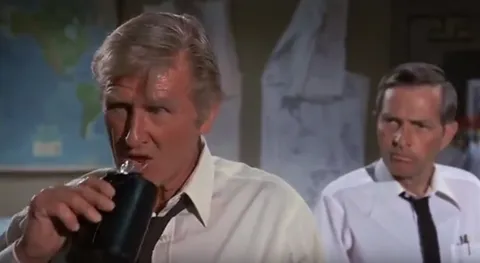
The image shows a man in a light jacket and striped shirt shouting with his mouth wide open. Behind him are stands full of spectators, but the main focus falls on the tense face. This is Vladimir Mashkov in the role of coach Vladimir Garanzhin. There is no caption in the frame: the familiar phrase is recalled from the hero's expression and the meme's title. The cropped moment easily becomes an address to a person on the other side of the screen.
The source of the line is Anton Megerdichev's film Going Vertical (Dvizhenie Vverkh), released in 2017. The picture is built around the victory of the Soviet basketball team at the 1972 Olympics, although the meme quotes specifically the fictional plot. Sashka here is the player Alexander Belov. In the film his illness becomes a reason to unite the team, and the coach urges them to play both for themselves and for a teammate. The line is meant to give the sporting effort a personal emotional stake.
How the line changed its tone
On May 30, 2018, Evgeny Bazhenov, known as BadComedian, published a review of Going Vertical. He analyzed the film in detail and played with the coach's motivational speech in parody scenes. The repetition of a short formula made it convenient to quote: viewers could reproduce the joke in a single sentence without retelling a multi-hour video. Already in early June the discussion moved to Twitter and VKontakte communities. Publications of that time record the wave precisely after the review.
An important reworking was a comic by artist Chilik about feeding a child. Ordinary coaxing with a list of relatives gives way to the familiar appeal, and the toddler reacts with ridiculous eagerness. The comic gave the line a new plot and its own visual punchline. This card shows another variant: the coach from the film himself. The connection between them lies in the verbal formula, and there are no spoons or child in this image.
A grand speech for a small task
The main device is transferring a solemn motivation to a task that does not need such a speech at all. Washing one cup, carrying a bag to the kitchen, or opening a document can be done without a command feat, but the meme for a second turns it into a decisive match. Mashkov's seriousness supports the exaggeration: the hero looks as if victory depends on the next action, although the caption may be talking about moving an alarm clock.
There is also a verbal play on the repeated preposition “za” (“for”). The phrase wedges itself into a toast, a list of reasons, or a children's counting rhyme and suddenly shifts their scale. At the same time, Sashka becomes a recognizable part of the quote rather than a necessarily real participant in the situation. The difference between good-natured encouragement and mockery is determined by the task in the caption. One and the same frame can support a tired friend or ridicule an overly solemn speech.
A domestic finale and a team deadline
In an invented domestic scene, one roommate left a single teaspoon in the sink. The second sends him a frame of the coach with the caption: “Last utensil. For me and for Sashka.” What is funny is not the refusal to help a friend but the sporting grandeur that accompanies five seconds of work. The word “last” adds the feeling of a final throw, although the real resolution is just an empty sink after breakfast.
Another invented example: a team is assembling a presentation and finds an empty slide before submission. In the chat the coach appears: “For me and for Sashka, who has already shut down his laptop.” Here the quote gains a concrete occasion: those left behind have to finish the job for an absent colleague. A third possible plot is an athlete solemnly delivering the line before climbing a single flight of stairs. The comedy arises from the mismatch between the scale of the effort and the language used to announce it.