What's shown in the picture
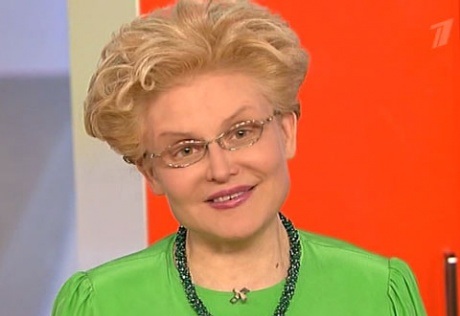
In the photo, Elena Malysheva is smiling, wearing a green blouse with large beads, against an orange studio backdrop. Her light hair is styled with volume, and thin-framed glasses sit on her nose. Her expression is calm and friendly, as it would be on air.
It's exactly the calm delivery and confident tone that make the shot recognizable. The meme relies not so much on the image itself as on the contrast between the host's composure and the unusual topics she was talking about. The picture serves as visual confirmation: the viewer sees a confident person talking about the strangest things, and understands that this very reaction is what the joke is about.
History and origin
The phrase "This is normal" is tied to the program "Zhit Zdorovo!," which has aired on Channel One since 2009. In episodes, Malysheva explained medical questions, including anatomical and intimate topics, and often used this phrase. It's from episodes like these that the memes grew, later spreading across the internet.
The author of the first picture and the exact date the meme appeared aren't established in open sources. Media outlets noted that both individual segments featuring the host and frames from the program, which users relabeled with captions, gained popularity. In 2022, Malysheva publicly commented on the memes featuring her, and according to media reports, the channel later introduced a segment called "This is normal," created in part as a response to the joke.
How the meme is used
The phrase "This is normal" gets written in response to ridiculous, strange, or unsettling situations that strike the user as abnormal. The implication is ironic: as if the host would explain any deviation as an ordinary occurrence. The meme helps soften the awkwardness and highlight the absurdity of what's happening.
The picture is often paired with short captions like "This is normal" under posts about everyday inconveniences, odd habits, or bad purchases. Sometimes it's used to reassure someone upset over a trivial matter. This trick shows how a TV phrase became a universal response to any occasion.
Sometimes the phrase is used in a joking sense, to explain an everyday mishap without going into detail. This approach softens the conversation and shows that the situation doesn't call for drama, and most importantly, that it can be calmly accepted.
Why the meme works as a joke
The main mechanism is the mismatch between the calm tone and the topic of conversation. The host talks about complicated or unfamiliar things as if they were long-established facts, leaving the viewer to laugh at the confident intonation. That's the source of the phrase's popularity: it sounds reassuring and absurd at the same time.
The second factor is how recognizable the TV format is. A serious studio, an informative tone, and detailed explanations create a sense of credibility that becomes a source of irony. The meme works both as a parody of everyday medicine and as a joke that any oddity can be called normal.
Finally, the meme transfers easily to different contexts, so it's understood even by people who've never watched the program. The phrase is short, visually recognizable, and needs no explanation, which makes it one of the most durable TV memes of the Russian-speaking internet.
At the same time, the meme isn't seen as a mean-spirited mockery of the person. It mocks, rather, the manner of speech and the urge to explain any oddity in a calm tone, with the host herself becoming a symbol of that style of delivery.