The law and its authors
The Yarovaya package is a collective name for a set of amendments to anti-terrorism laws, adopted by the State Duma in June 2016. The initiative came from Irina Yarovaya, a deputy from the United Russia party and one of the document's co-authors alongside other lawmakers. Attention to the initiative was also tied to the fact that the bill was considered on a tight timeline, which drew separate criticism from some experts, who felt there wasn't enough time to think through its consequences.
The amendments were signed by the president on July 6, 2016. According to reports from that time, they imposed obligations on telecom operators to store data on correspondence and calls, expanded the powers of security services, and introduced liability for a number of violations related to reporting crimes. The bill sparked wide debate about the balance between security and privacy, and it was criticized by human rights advocates, some lawyers, and representatives of the internet industry.
Origin of the meme
The meme's name arose almost immediately after the law was signed: in online discussions people began referring to it by the surname of one of its authors. The exact date of first appearance and the author of the first caption could not be established, but based on the dating in the description, the meme dates to 2016. A short name is convenient for headlines, comments, and image captions, and it required no explanation for anyone who had been following the news.
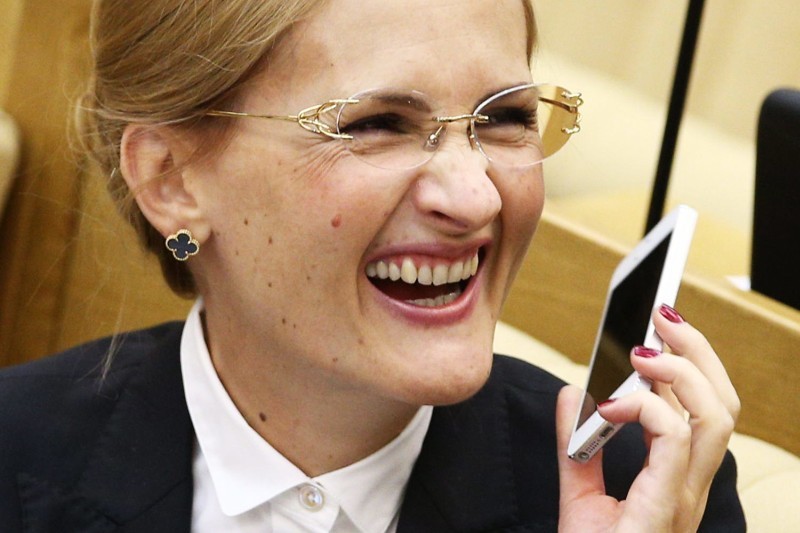
Initially the meme spread in comments and discussions of news about the law, and later moved into the format of images with photographs of the politician and short captions. The captions usually express irony or outrage and concern the law's consequences for internet freedom.
Use of photographs
The memes most often use shots of Irina Yarovaya from her work in the Duma, where she's shown expressing emotion. The image becomes a symbol of the law rather than a judgment of her personal qualities. The meaning is set by the captions, which usually concern data retention, surveillance, or restrictions online. Sometimes short quotes from discussions or reworked captions are added to such images, in which case the meaning depends on the context of the thread where they're posted.
The meme does not represent the official position of any side. It reflects the public reaction to the bill and shows how legislative initiatives find their way into internet folklore.
Political context
The law was passed during a period of active debate about fighting terrorism and sparked disputes over the balance between security and citizens' rights. For many users, the meme became a way to express disagreement in a joking form.
Opinions on the law in society diverged: supporters pointed to the need to improve security, while critics pointed to the risks to the privacy of communications and freedom of information. The meme preserves that debate and remains a recognizable marker of that period. It also matters that the meme existed in a politically contentious space from the start, so different audiences read it differently: some saw in it irony about excessive control, while others saw a reminder of the real tasks facing security services.
Significance
The Yarovaya package is often mentioned in overviews of Russian-language political memes as an example of how a specific law acquires a colloquial name. Such names make it possible to quickly flag a topic in discussion. This pattern, in which a law takes on the surname of one of its authors, also appears in other fields where laws and bills are named after their initiators.
In later discussions, the meme continues to appear in comments whenever the topic of internet regulation comes up. This shows that the humor here serves as a way of talking about legislation, not about the politician's personality.