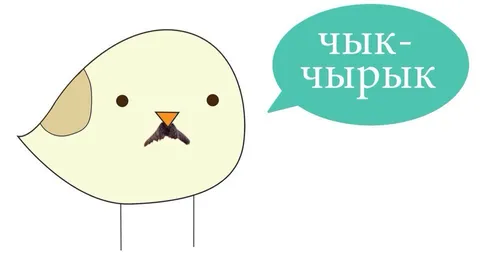
Gulka appeared before its meeting with Natasha
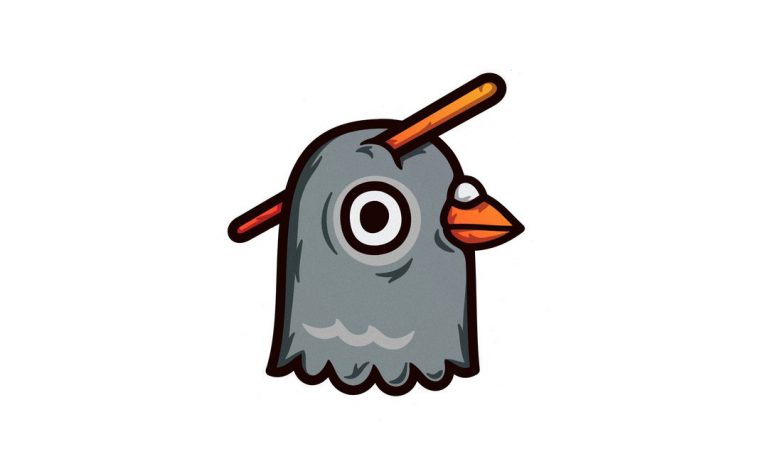
The eponymous community emerged in June 2017. Its avatar is associated with a reworking of an earlier pigeon drawing: the version for Gulka was made by Artyom Ostrovsky. The base had been in use as early as 2015, so the history of the artwork and the history of the page begin at different times. The character’s name and the stream of jokes took hold around the community.
At first the page posted a variety of short phrases and memes. By the end of 2017, images of pigeons, bird-like comments and onomatopoeic remarks had become more prominent. In March 2018 the popularity of Natasha the pigeon grew, linked to a video by Ilya Belov. Users of other communities began addressing Gulka through this joke, and then references to it entered the character’s own posts. Natasha helped widen the audience of a character that already existed, rather than serving as the original reason for its creation.
A drawing that is easy to remember
On a white background is a gray bird with a thick dark outline. An enormous round eye occupies much of the head, and an orange beak points to the right. A red-orange stick runs diagonally across the top of the head. The lower edge of the silhouette is uneven and wavy; there are a few light decorative lines on the body. There is no other pigeon nearby, no name Natasha and no captioned conversation.
The unblinking gaze and the odd object build the character before any line of dialogue. The bird seems unperturbed even by the impossible position of the stick. This is a grotesque graphic convention: the drawing builds the absurd around a recognizable urban animal. It can be shrunk to an avatar and still be told apart by the combination of the round eye, the beak and the diagonal stick. Such stability of form helps link different messages to a single voice.
How the pigeon’s voice works
The name alludes to the familiar coaxing “gu-li gu-li” (the way one calls pigeons), and the short “kurlyk” (a coo) lets one imagine that a serious proposal is being delivered by a bird. An ordinary human thought shifts slightly when pigeon interests are added to it: crumbs, window ledges, passersby and the puzzling habits of the city. The comedy arises from the change of point of view, not from a mandatory separate plot.
Gulka can behave like an interlocutor who has understood everything in its own way. A message about an important meeting turns into a question of whether there will be bread. A long explanation receives a brief bird-like answer. The expressive face supports this manner: the character looks just as seriously at a complicated problem as at a small portion of food. The human significance of events loses its force before its own priorities.
The crossing with Natasha added a sense of familiar characters able to talk to one another. Yet the two birds do not become a single template. Gulka is distinguished by its specific drawn look, while a reference to Natasha may appear in the text or be absent altogether. This independence makes it possible to keep the joke going after a separate wave of popularity has ended.
Three messages from an urban bird
The imagined Gulka reads an announcement: “Our office has open seating.” Her reply is: “I’ll take the window ledge, nobody has reserved it.” She understands the human rule literally and chooses a spot according to pigeon comforts. The picture with the unblinking eye turns the absurd choice into the confident decision of a specialist.
In another scene, friends discuss who is responsible for the holiday table. Gulka writes: “I’ll take the crumbs.” The phrase sounds like help with dividing up duties, but the bird is offering only its own way of getting food. This small mismatch of interests makes her resemble a recognizable participant in any shared undertaking.
The third exchange opens with a complaint about too many notifications. Gulka advises: “Turn off your phone and coo out the window.” Her alternative itself draws attention, only in another way. Such a reply keeps the serious tone of a household tip while replacing human technology with pigeon communication. These fictional episodes develop the character through concrete urban experience — a resting spot, food and noise — rather than through the random attachment of a bird’s name to any phrase.