The word on a white background
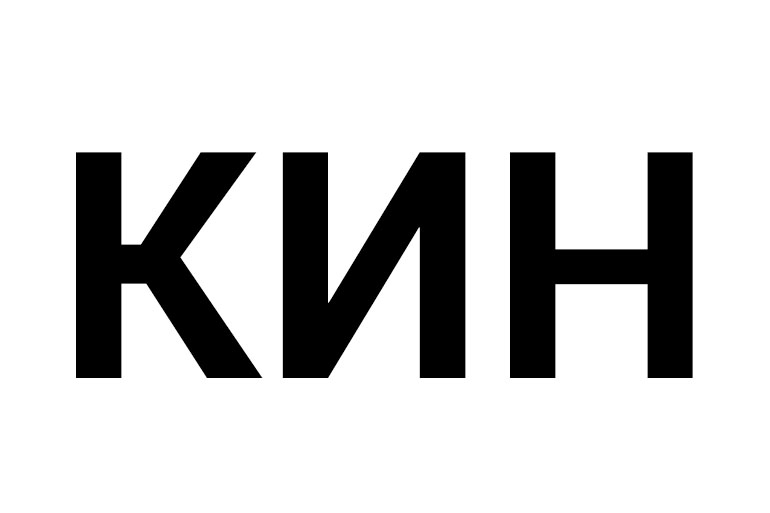
The picture is extremely simple: large black capital letters “KIN” on white. There is no character, face, or plot. The template works as a reply: it is posted under a post or picture of a character to say “that’s about me” or “I see myself in this.”
The absence of an image is the point here: the meaning lies entirely in the word, not in the frame.
From community to joke
The word comes from English-speaking communities. Kin means “related, close”; it took hold in the otherkin community, where people described themselves as not entirely human or spiritually connected to mythical beings. Later came fictionkin, for people who feel a connection to fictional characters. According to material on the history of the term, one early term for such a connection, “otakin,” is dated to 2001 or earlier.
When the idea reached Tumblr and then Twitter, attitudes toward it changed. Accounts of the community’s history say that for many a serious spiritual practice turned into light play: “kinning” came to mean simply “identifying with someone.” The word began to be used noticeably in Russian-language social media around 2020, but the exact date of its first use could not be established.
Two meanings that should not be mixed
For some people in English-speaking communities, being “kin” is a serious personal feeling, and joking about it can be unpleasant to them. The second meaning is playful: “I have a lot in common with this character,” or “this is my kin moment,” when a scene from a film suddenly resonates.
The meme lives in the second meaning, and it is worth remembering that this meaning grew out of the first. So it is better to use the word as a light reaction to a plot point, not as mockery of those for whom it matters.
Caption examples
“He forgot all the deadlines and is still sure he’ll make it. Kin.” The caption admits a weakness with self-irony: the character in the scene shows a common habit.
“Kin moment: when the story’s hero arrives at a party and within an hour dreams of going home.” The line names a specific scene, so the recognition is instant.
“I wasn’t kinning him until I saw him drop a cup on perfectly flat ground.” The joke is built on a small detail: the resemblance is found in awkwardness, not in heroics.
“Kinning the cat from the cartoon.” A short version with an absurd object: identifying with an animal or a character from childhood makes it ironic.
How the template works
The word “kin” shortens the long phrase “I feel this character is about me.” The meme is useful where you want to mark a resemblance quickly without explaining it. The resemblance is most often funny: not something grand, but something small and everyday.
The caption works best when it deliberately picks an awkward trait rather than a heroic one. Then the joke becomes a friendly confession rather than a boast.
Another device is to combine the word with a description of the scene in one line: “kin” at the start or end of a caption immediately tells the reader how to take everything else. Using the word as a label for a character (“he is just like me”) is simpler than describing the resemblance in a full paragraph, and it is for this brevity that it is valued in messaging.