Origin
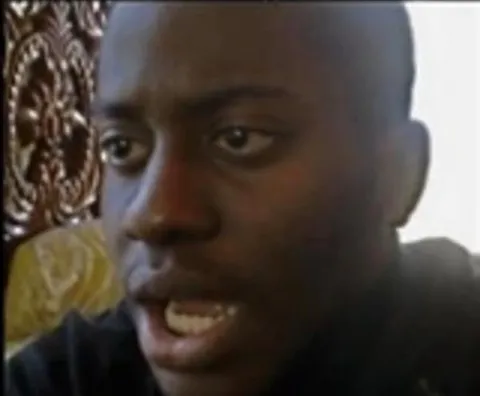
The shot goes back to a short video that began circulating around 2017, according to the date given in the entry. The exact origin of the clip, its author, and the first channel to publish it are not reliably confirmed in open sources. Popular roundups most often mention the phrase that became the template's caption rather than the clip's actual plot. The video quickly spread as short cuts, and in different versions the same frame picked up different captions, which makes tracing the original source difficult.
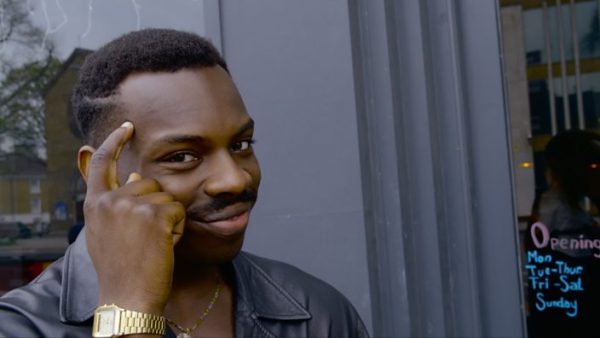
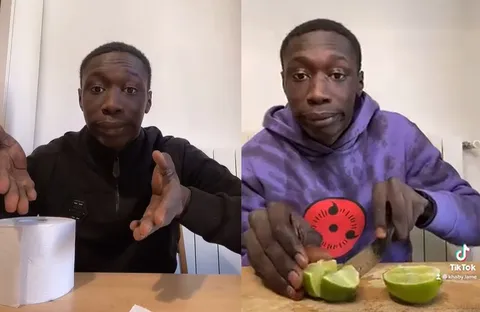
The person in the clip comes across as the type of a confident, calm character. His pose and expression create the image of someone who seems to know everything, and this contrast with the obviousness of the advice is what produces the comic effect. Viewers read the subject's seriousness as part of the joke rather than as a sign of real depth of thought.
The gesture and its meaning
A finger to the temple traditionally signals reflection or an attempt to remember something. In the meme the gesture is inverted: the subject appears to be deep in thought, and the conclusion turns out to be simple, obvious, or useless. That creates a dual effect — a serious pose paired with a banal thought. The gesture works as a cue: the viewer understands that something "clever" is about to be said, and that anticipation only amplifies the letdown of the simple answer.
The caption in the template is usually built on the pattern "you can't fail it if you drop it": the logic sounds airtight, but the thought itself is absurd. It's precisely this mismatch between form and content that makes the meme useful for irony. The more confident the phrase sounds, the funnier its obviousness looks, which is why the template is so easy to use in response to other people's advice.
Spread and variants
In the Russian-language internet the template took root in comments, on social media, and in roundups of obvious advice. Users swap the caption for their own recommendations, from household life hacks to remarks about work or school. Sometimes the tone is made sharper, emphasizing that the advice isn't actually doable at all even though it sounds smart. Variations often appear in discussion threads, where one person offers up an obvious thought and another turns it into the template.
Over time the template became a universal shorthand for a "brilliant" idea that doesn't actually solve anything. Thanks to its short composition it's convenient to drop into replies, meme-comments, and videos. The format stays recognizable even when the caption changes completely, because the main carrier of meaning remains the subject's gesture.
Examples of use
A typical scenario is advice that sounds confident but doesn't actually help. For example, a tip that a broken phone simply shouldn't be dropped, or a recommendation not to be late to a meeting that no one would argue with. The template is valuable because a single image conveys both seriousness and irony at once. Sometimes the meme is used to gently needle someone who presents an obvious solution to a complicated problem as if it were a discovery.
Since its meaning rests on contrast, the meme transfers easily to any field, from programming to cooking. The only requirement is that the caption genuinely be excessively obvious, otherwise the effect is lost. In professional chats the template is sometimes applied to advice like "save the file first, then close the program," and in those cases the irony lands especially well.
Irony and criticism
The meme remains harmless: it doesn't mock a specific person, instead working with the general form of advice. Even so, the template is sometimes criticized for turning serious recommendations into an excuse for a joke. That criticism concerns the tone of its use more than the picture itself. The identity of the person pictured hasn't been confirmed in open sources, so only the format is described here. The biggest disputes arise when the template is applied to genuinely important topics, where obvious advice can actually turn out to be useful.
The genre itself continues to stay popular all the same, because it lets people express irony without crudeness and without targeting anyone directly.