The show and its hero
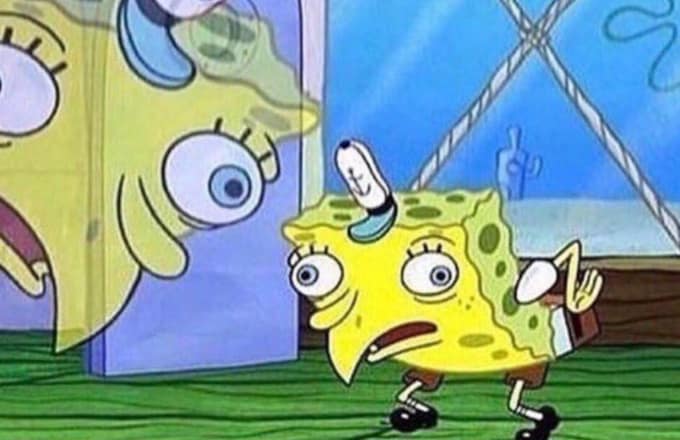
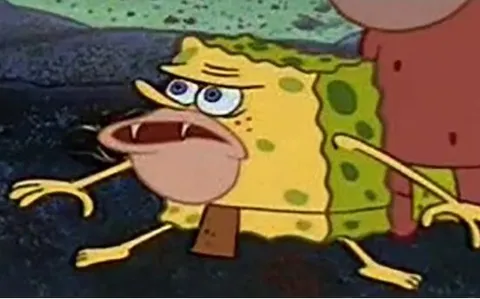
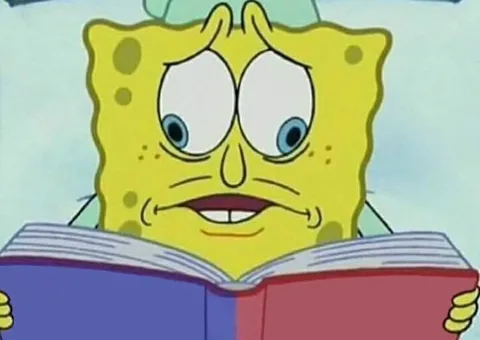
SpongeBob SquarePants was created by Stephen Hillenburg, and the series premiered on the channel Nickelodeon in 1999. The main character is an optimistic sea sponge who works as a cook at the Krusty Krab diner and lives in the underwater city of Bikini Bottom. The show combines absurd humor, simple visual gags, and emotionally expressive character faces, and it's exactly these grotesque expressions that became one of the main reasons individual frames later turned into memes. The mocking frame is no exception: in it, the animation is deliberately pushed to an extreme.
Origin of the frame
The exact episode this frame is taken from is not known. As a rule, images like this are associated with an episode where the character mocks another character, and users singled out this particular grimace as a stand-alone template. The meme itself took shape online around the late 2010s, when frames with expressive character faces started circulating as captioned images. The version holding that the joke arose in the English-language segment looks the most likely, though detailed dates and the first publications are not known.
The text format
The key element of the joke is the text itself. The phrase is written in alternating uppercase and lowercase letters, which creates the impression of a mocking, parodic tone: the letters seem to bounce around and mimic their own speech. Combined with the grotesque frame, in which the character stretches his neck and bulges his eyes, the result is a visual parody of mockery. The format works for commenting on someone else's words, retelling arguments, and teasing a conversation partner, which is why it's often used in chats and in replies to contentious statements.
Russian-language names
In the Russian-language internet the meme picked up the names "SpongeBob the mimic" and "SpongeBob doing a chicken." The second name describes a specific reading of the pose: the stretched neck and jerky movements resemble a parody of a bird, and users, not knowing the exact episode, settled on that interpretation. The names vary, but the meaning stays the same: the character is mocking, parodying, or jeering, and the viewer is left to guess exactly who's being mocked. This flexibility helped the meme take root across all kinds of topics, from contentious news stories to discussions of TV shows.
Why the meme works
The meme works thanks to the contrast between the children's animation and the biting content of the text. SpongeBob in ordinary episodes is kind and simple-hearted, so his sudden spiteful grimace registers as a sharp turn. The visual grotesqueness amplifies the impression: the oversized eyes, the open mouth, and the ridiculous pose seem too expressive even for this show. On top of that, the template is convenient because it needs no explanation: one image and a short phrase are enough to convey mockery or parody without words.
The meme's legacy
Mocking SpongeBob remains one of the notable examples of how the emotional grimaces of children's cartoon characters turn into a universal language of internet communication. The meme shows that animation can be satirical, and that a simple device — switching the text's case — can change how an entire image is read. Today the template is often used in replies to contentious claims, which confirms the durability of a format that has stayed recognizable among users for years.