Origin of the template
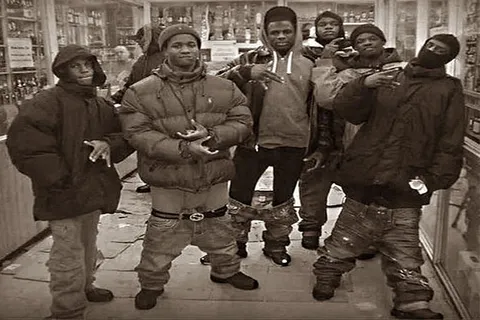
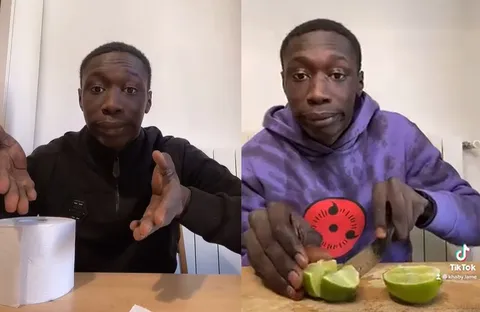
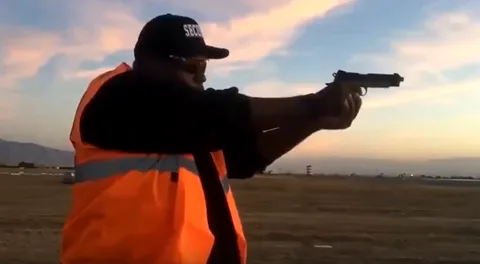
The meme belongs to a series of four-panel comics that began spreading widely online in 2012. According to the information available to the editors, the exact author of the first series and its original publication have not been reliably established, so descriptions of the template usually note only the year it appeared and the general scheme. Each series follows the same logic: the first panels set up an expectation, and the last ones show that it wasn't met.
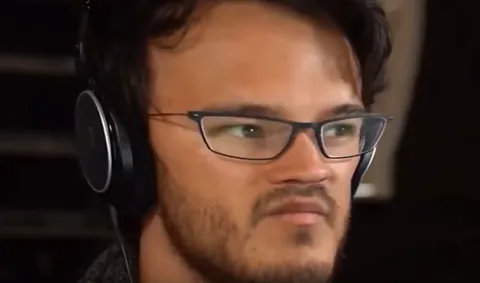
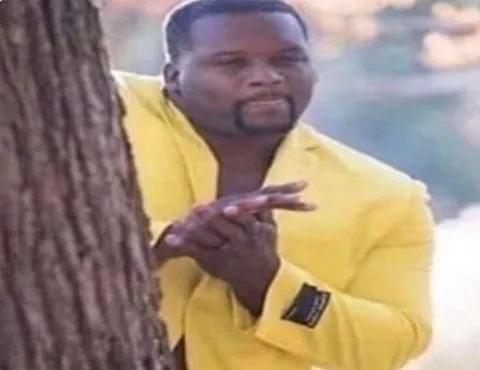
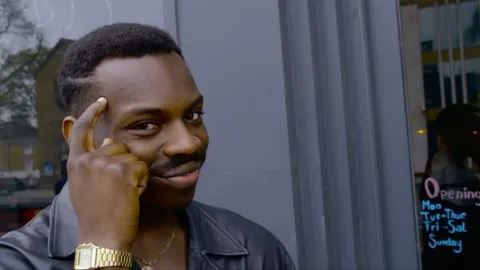
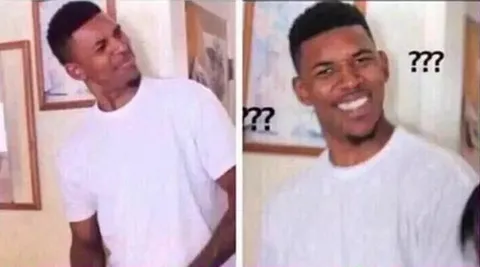
The comic's character isn't a story character with a backstory. His pose and expression serve as a support for conveying emotion rather than telling the story of a specific person. That's exactly why the template separates easily from its original context and functions as a self-contained language of reactions.
How the joke is built
The comic relies on the principle of expectation and rupture. The first panel usually shows something appealing: news, a promise, a purchase, or an upcoming event. The character at the computer reacts to it with a wide smile or an excited gesture. The second panel turns the situation around, and the reaction flips to the opposite.
This device is convenient because it needs no explanation. The viewer grasps the point from the facial expression and the composition, and the text is only there for clarification. That's why the template transfers easily to any subject: from a game release or a new episode of a show to everyday situations like a failed delivery or an update that broke a familiar interface.
Spread on the Russian-language internet
In Russian-language communities, the template took hold on forums, in comments, and on social networks around the mid-2010s. Users made their own threads based on it, swapping out captions and adding local realities: news about delayed releases, discussions of prices, reactions to announcements. The format is convenient for quick responses, since one picture replaces a whole paragraph of emotion.
Over time the template became a self-contained unit of language. The phrase about the disappointed guy at the computer, and the description of the shot itself, are understandable without explanation even to those who have never seen the original comics. That's the typical fate of a successful reaction meme: it stops being a specific story and turns into a way of expressing disappointment.
Variants and usage
The template is most often applied in three cases. The first is anticipation of something new that turns out weaker than promised. The second is a situation at work or school where the start was promising but the outcome was disappointing. The third is an ironic comment on someone else's post, where the author themselves underscores how absurd the situation is.
Variants usually keep the original composition and change only the text or the second panel. Sometimes a different shot is substituted in its place to sharpen the contrast. Edits like these help the template avoid going stale and stay understandable to new generations of users who may not know the original source.
Context and assessment
The meme is essentially harmless: it doesn't mock a specific person and isn't built on offensive stereotypes. The meaning comes from the shift in expectations, not from the traits of the person pictured. Still, any template built around a real person's photo raises the common question of who's pictured and in what context the shot is used. In the case of this series, open sources don't give a definitive answer, so the editors don't name the person shown and describe only the format itself.