What's in the frame
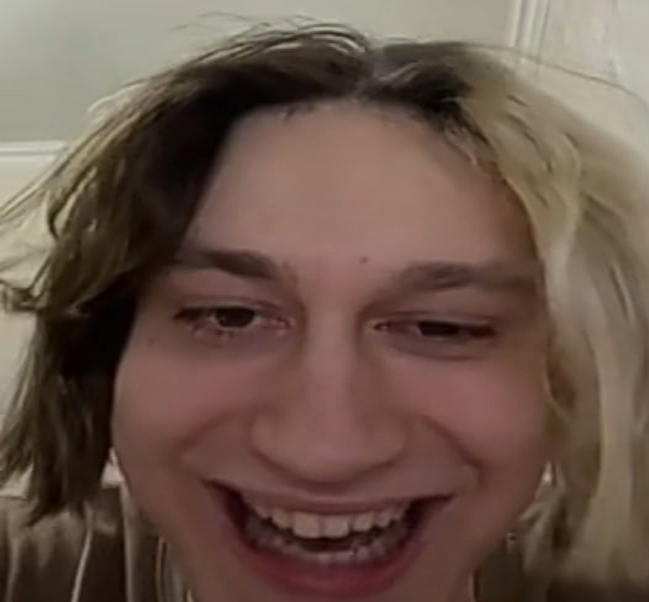
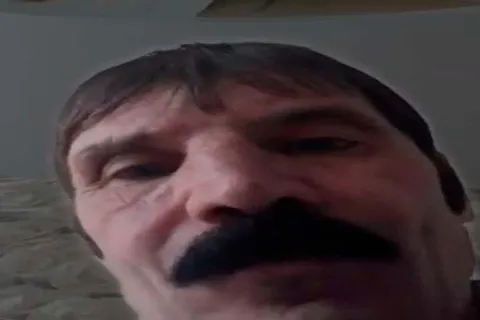
The picture is a tight close-up of a face: a person laughing widely very close to the camera, mouth open, hair tousled, partly light and partly dark, with a light-colored background and a white detail visible. The image is grainy and slightly blurred, like a screenshot from a phone video. There's no caption, which means the meaning is entirely supplied by the added text.
What's known about its origin
According to available accounts, the phrase appeared on May 14, 2021: TikToker Nekoglai posted a reaction video to a clip in which Egor Kreed parodied the blogger Khaby Lame. His reaction was loud laughter with the repeated lines "Razryvnaya! You're joking, you're joking! Hilarious!" By the same accounts, the original clip racked up about 1.7 million views within a few days. These details come from a single meme overview and haven't been independently confirmed, so the exact date and view count remain approximate.
Other creators then picked up the format: the sound and clips of the video got inserted under posts where the joke wasn't especially funny.
The author of the reaction is a TikToker and streamer who works with a public persona: loud laughter, grimaces, and repeated shouting are part of his style. So the meme is best understood as a piece of entertainment content rather than a window into the subject's personal life. Other episodes of his public history have nothing to do with this particular joke.
Breaking down the joke
The trick lies in the mismatch between the sound and the situation. While what's happening on screen is ordinary, even awkward, the viewer hears wildly excessive merriment. The word "razryvnaya" ("explosive") metaphorically compares the laughter to a shell going off, while "yumorish" ("you're joking") casts the joke-teller as someone struggling hard to be funny.
The reaction reads as irony: the laughter is too loud to be real, which means the joke must have been weak. It's a familiar genre, the "polite laugh."
There's a second reading too: the joke might actually be good, and the reaction is a parody of people who laugh conspicuously just to be noticed. Either way, the meme works as a judgment not of the image itself but of the performance: the calmer the surrounding situation, the funnier this overreaction becomes. The combination of the everyday setting, tousled hair, and wide grin creates the impression that the person simply can't stop, which only amplifies the comedy.
Caption examples
Captions invented for this screenshot. "Boss at the meeting: 'On Monday I'm your friend, and on Friday, also your friend.' Me:" an ironic reaction to a pun that didn't make anyone laugh.
"When Dad retells a joke everyone's already heard," laughing out of love for the person, not the joke.
"My laugh after hearing the word 'surprise' from the tax office," an inverted reaction: joy where none should exist.
"Coworker in the group chat: 'Deadline joke!' My reply," satire of office humor.
How to use it
The meme works well as a reply in a chat and as a caption under someone else's failed joke. Add minimal context; the facial expression already does most of the work. Don't use the image to mock the person in the picture themselves: he's only an illustration of the reaction here, and the target of the joke is the joke, not him.