What's shown in the picture
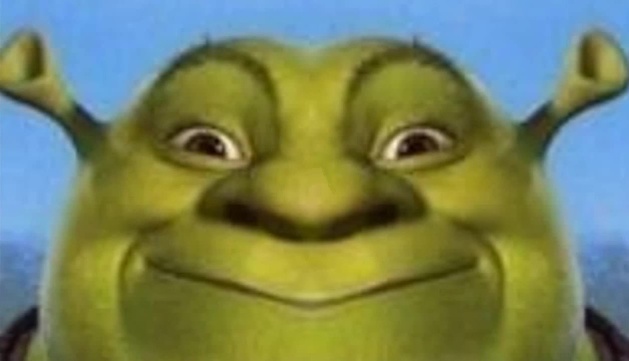
The picture is a close-up of an animated character with green skin, big ears, and narrowed eyes. The corners of his mouth are stretched into a smug smirk, his eyebrows are raised, and his gaze expresses self-satisfaction. The blue background makes the face the center of the frame and emphasizes the emotion.
The character belongs to the DreamWorks film "Shrek," released in 2001. The image is widely used as a reaction picture conveying slyness, gloating, or quiet pleasure at someone else's misfortune. That emotion pairs well with the meaning carried by the word "kek."
The meaning of the word
The word "kek" comes from an onomatopoeia for laughter. It resembles a transliteration of the sequence "ke-ke-ke," which laughter is often typed out as on a keyboard. Depending on context, the word means the same as "lol," "heh," or "whoa" — that is, it expresses amusement, surprise, or a gloating chuckle.
In English-language chats and forums, the spelling "kek" became attached to laughter and gradually entered the vocabulary of many gaming communities. One common theory links it to World of Warcraft's in-game chat, but there's no reliable confirmation of this, so the word's origin should be considered unestablished. It's precisely this uncertainty about its roots that allowed every community to add its own meaning to the word.
Kek as a deity
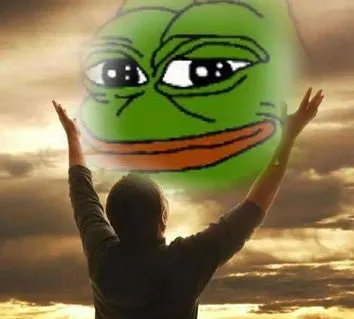
The joke that "Kek" is a supreme deity of the internet pantheon grew out of imageboard culture. Users invented a role for him as patron of laughter and trolling, then started drawing memes with his "rituals," "priests," and "sacred texts." The image is built on irony: the serious tone of religious text applied to an obviously unserious subject.
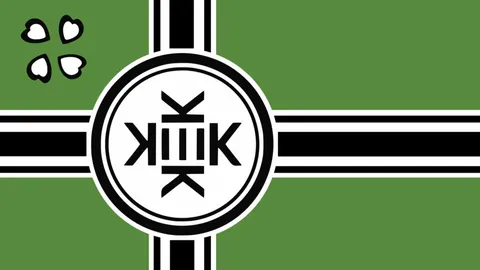
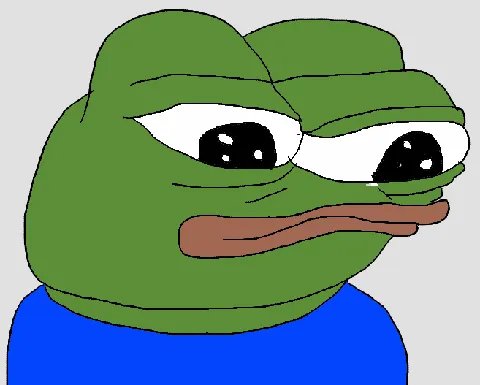
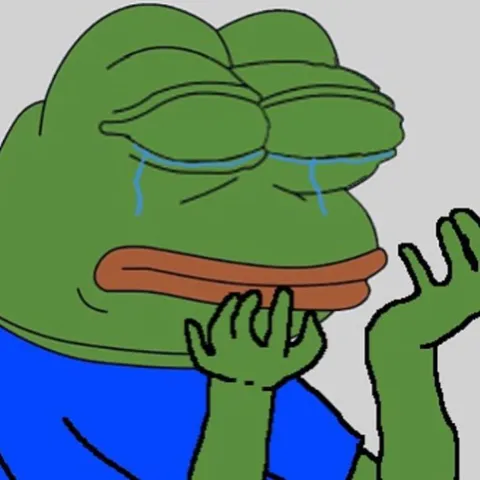
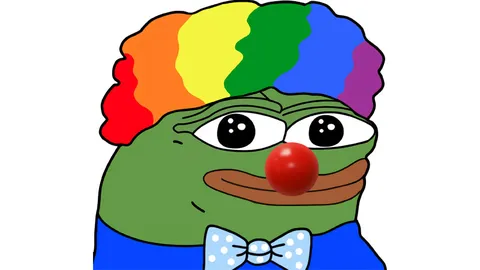
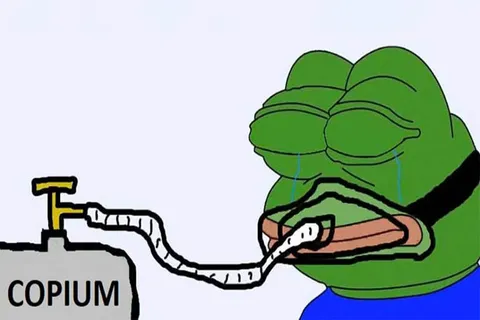
Around this image grew the Pepe meme — Pepe the Frog, a character from Matt Furie's comic "Boys Club," which appeared in 2005. In 2016, imageboards gave rise to the image of Kekistan, a fictional state invented as a joke. Its imagery was built around green and black stripes, and the idea itself became a way to play with national symbolism.
Later, Kekistan and the images associated with it began to be used in political disputes as well, mostly as irony aimed at the seriousness of the topic, and sometimes as a tool of provocation. This usage is controversial, so in an encyclopedic description it's worth mentioning neutrally, separating the original joke from the disputes that followed around it.
How it's used
The word "kek" is placed after a joke as a response to a good line, or at the end of a phrase to show amusement. The verb "to kek" means to laugh and is used in casual speech. The short form is convenient: it's easy to type and instantly signals that the speaker is pleased.
The reaction picture with the smug smirk is used after someone else's mistake or a good jab at them. It's often paired with the word "kek" to convey both laughter and gloating at once. Together they work as a short comment that doesn't need a lengthy explanation.
Why the word caught on
The word is short, sounds like laughter, and needs no context, so it's easy for even a newcomer to understand. It emerged in an environment where speed and brevity matter, and it quickly became part of the everyday language of gaming and forum communities.
The meme also works as a marker of belonging: knowing the word's meaning shows that a person is familiar with internet culture. At the same time, the word allows for self-irony, so it's used both by participants themselves and by observers who laugh at the excessive pathos surrounding memes.