Where the shot comes from
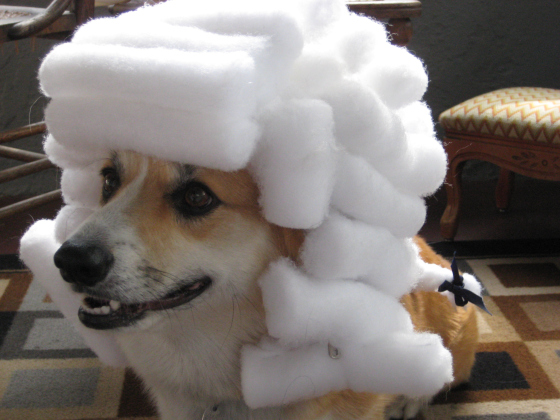
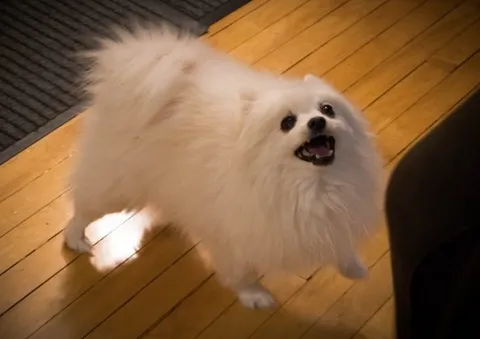
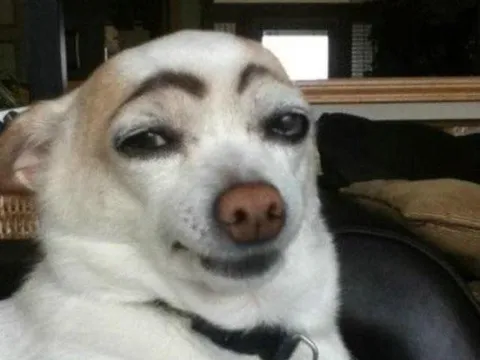
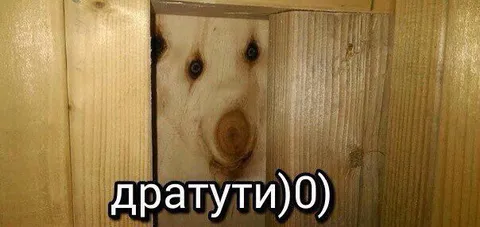
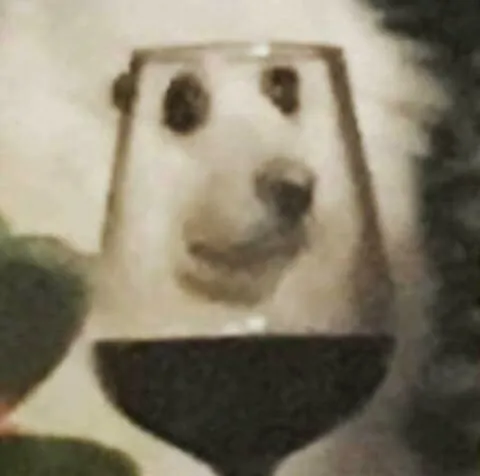
The photograph belongs to the typical staged shots that circulated through forums, blogs, and social networks in the 2010s along with joking captions about animal behavior. The exact date of first publication and the author's name could not be established, so the meme's description uses 2017, when the shot began appearing in Russian-speaking communities, as a reference point. The dog in the photo is a Corgi, a breed characterized by its red-and-white coloring, short legs, and expressive face, which makes it a popular star of shots like this.
The shoot took place in a home setting: on a rug, next to wooden furniture, with a fluffy white wig fastened to the animal's head. Costumes like this are usually improvised from whatever's on hand, such as cotton wool or synthetic padding, and put on the pet purely for fun. The owner captures the result on camera and then posts it as a ready-made joke with no further explanation.
What the joke is about
The main irony rests on the contrast between the image and the creature wearing it. The cotton-wool wig evokes judicial robes, which symbolize seriousness and strictness, yet the dog is looking off to the side with a rather carefree expression. The viewer immediately understands this isn't a real judge but a parody of solemnity, and it's exactly this gap that brings a smile.
In Russian-language usage, the caption "dog in a white wig" became a synonym for pointedly polite and refined behavior. It's used when a person tries to appear neat and courteous but is visibly overdoing it, or when someone needs to jokingly comment on another person's overly formal tone. That's how the photograph turned from a simply funny shot into a shorthand term for affected manners.
How the meme spread
The image spread the same way most animal pictures do: through reposts on social networks, themed public pages, and sites with funny photos. Since the shot is recognizable and easy to read without explanation, it quickly picked up go-to captions and became the basis for collages, cards, and stickers.
Variants of the meme generally keep the basic composition: the dog, the wig, and a short line of text. Sometimes the caption adds quotes from TV shows about lawyers or lines about good manners, which underscores the image's parodic nature. The simpler the caption, the more easily the meme carries over into new contexts.
Cultural context
Memes like this belong to a broader tradition of photographs showing animals in costume. The internet has long loved dressing pets up as historical figures, professionals, or pop-culture characters, and the result is usually met with good-natured irony rather than mockery of the animal itself.
It's worth remembering that all such shots are staged, and the animal in them has no idea what the joke is about. Because of this, the meme works at the level of visual impression: it draws a smile precisely because a stern costume looks both ridiculous and touching on a dog at the same time.
Modern use
Today the shot continues to be used in messages and comments as a short reaction to someone's formality or pointedly polite tone. It's recognized quickly, so even without a caption the picture conveys the intended irony and needs no further explanation.