The frame and the character
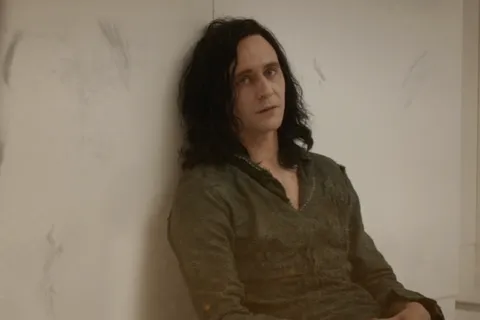
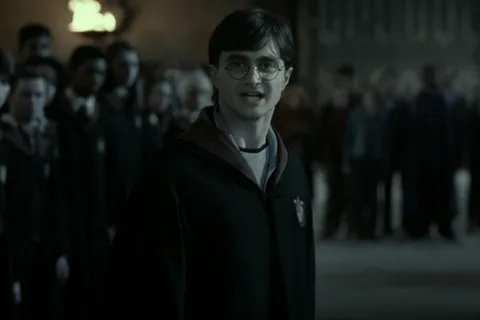
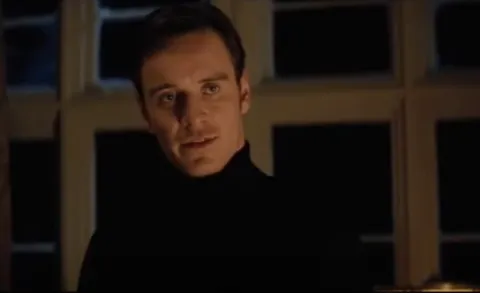
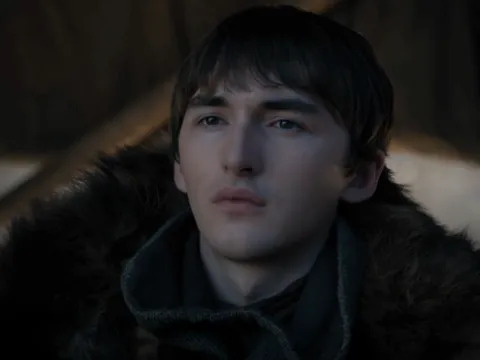
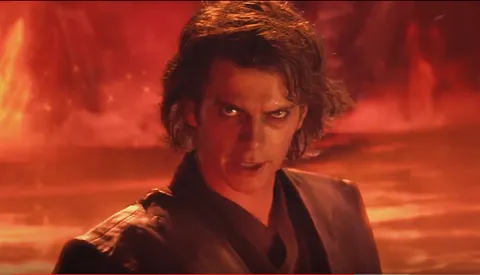
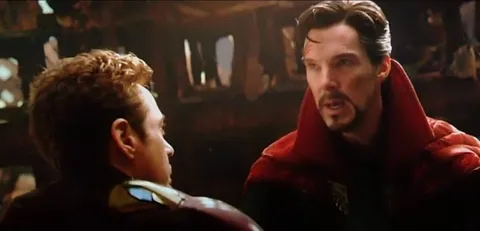
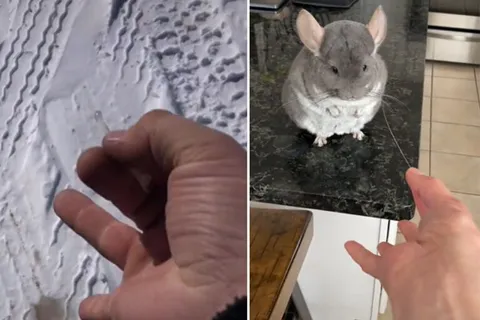
The picture is a close-up of a man with long dark hair. He has lowered his head and is looking down; his face is dimly lit, and the background is dark and blurred. His black clothing is buttoned up to the throat. This is Severus Snape as played by Alan Rickman. The gaze is not furious but rather heavy and weary, so the caption can be read as either anger or annoyance.
For the meme this particular expression matters: it is not a shout but restrained indignation from a man who has been outplayed.
Where the line comes from
The line belongs to J.K. Rowling’s sixth book, “Harry Potter and the Half-Blood Prince,” published in July 2005. Harry tries to attack Snape with spells recorded in an old textbook belonging to the Half-Blood Prince. Snape, deflecting them, says: “You dare use my own spells against me, Potter?” and then adds that he invented them himself and that he is the Half-Blood Prince.
The 2009 film featured Alan Rickman as Snape, and the scene made it into the movie as well. The official Harry Potter account on Twitter posted the quote with a screenshot as early as July 2014, but according to English-language catalogs the line became a mass meme only around January 2020, on Reddit.
How the joke works
The mechanics are simple: the one who usually gives the orders discovers that an opponent is using his own move. It is indignation and acknowledgment at once: it stings, but the move is good, since it works. That is the comedy: the anger springs from his own pride.
The meme fits an argument in which your interlocutor quotes you back to yourself, a game in which a rival repeats your maneuver, and work situations where a colleague wins with your own argument. Snape’s frame adds drama: the situation is trivial, but the reaction is that of a tragic hero.
The caption lands especially well where the rule or technique was really invented by the author: then the indignation looks legitimate, and it is funnier for it. The smaller the rule, the more comedy in the tragic pose.
Caption examples
“My friend retold my joke to our mutual acquaintance, and everyone laughed.” The surprise works here: the joke was yours, but the applause went to someone else.
“My son threw my own argument about tidying his room back at me.” The comedy lies in the reversal of roles: the parent ends up on the receiving end, answered in his own words.
“The team lead rejected my code using my own checklist.” The move is clear to professionals: he wrote the rules and broke them in front of everyone.
“My rival took my position in the game using my own tactic.” It works well in gaming communities, where copying a move is the highest form of recognition.
How to use the template
The caption should contain two parts: your action or rule, and how someone used it against you. The more specific the situation, the stronger the effect. Don’t stretch the phrasing: a short caption above the frame reads faster than a paragraph.
The meme is harmless and suits friendly jokes. Don’t put it under serious disputes where someone’s words are turned against a person in earnest: irony here easily turns into mockery.
A two-line formula works well: first the author’s action, then the reaction of another person who repeated the step. The picture goes directly under the second line and completes the thought.