The comment genre on VKontakte
VKontakte developed a distinctive meme format: users take screenshots of pictures together with the comments beneath them and publish them as standalone jokes. Sometimes the comment adds to the original meme, sometimes it argues with it, and sometimes it gives it a completely different meaning. The genre rests on the viewer seeing both the picture and the reply, and on the gap between them.
The value of such a meme is that the joke is created not only by the picture's author but also by whoever left the comment, so the text is co-authored.
Artur Molotov as a character
According to the description, Artur Molotov is considered the best-known commenter in this genre, and his replies appear under many memes on popular pages. Names like this tend to stick through repetition: one style, one way of joking, a recognizable username. When a username keeps appearing under different pictures, it turns into a label, and the community starts to expect a particular kind of reaction from it.
There are no confirmed biographical details about the person behind the account. The text therefore speaks only about the meme character and draws no conclusions about a real individual. This is an important boundary: the description concerns the comments and the genre, not a personality.
The image on the card
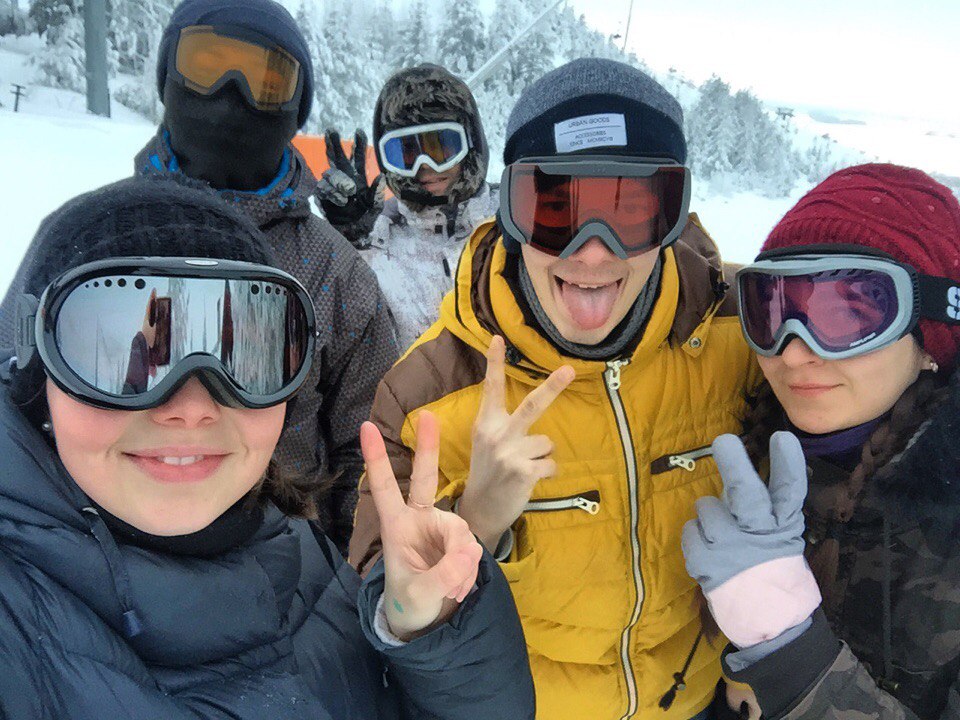
The picture is a group shot of several people on a ski slope, in warm hats, goggles and winter clothes, against snowy trees and a ski lift. This photo cannot establish whether it is connected to the character, so it is better read as an illustration of a general scene rather than a portrait. The genre itself rests on the comment text, not on the frame.
Such mismatches are common in the catalog: the visual may be borrowed as an illustration, while the meaning is set by the caption and context. In this case the picture does not explain the meme.
A typical comment
A typical comment in this genre is short and often ironic. It may develop the picture's theme, add an unexpected twist or, conversely, earnestly analyze the obvious with a straight face. Sometimes the reply works as a response to the previous comment, and then the meme becomes a small dialogue inside the feed.
Catalog captions usually need only one line, because the genre demands brevity. A long comment quickly loses its force, while a short one leaves room for the reader to fill in the rest.
Examples
Here are two hypothetical examples in the spirit of the genre. Under a picture about Monday: “I thought this was about Friday, but apparently I got the calendar wrong.” Under a photo of an office desk: “This is where the real work starts, when nobody is watching.” Such replies do not require knowledge of a specific page: they show the mechanism in which the comment becomes the second half of the joke.
Because of this the meme travels well across platforms. The genre is understandable beyond one community, even though specific names and pages stay local.
What is confirmed and what is not
The meme dates to 2017. The exact chronology of the first comments, a list of popular pages and the identity of the character are not established. For now the meme should be read as a genre phenomenon, not as the biography of a specific person.
This approach keeps the catalog accurate and does not substitute a private story for the genre.