The dish and its origin
Chevapchichi, or ćevapčići, is a traditional dish of Balkan cuisines, primarily those of Serbia and Bosnia and Herzegovina. These are small, elongated sausages or rolls made from ground beef, lamb, or a mix of the two, usually grilled and served with flatbread, onions, and spicy sauces. The name has a Balkan origin and relates to the shape of the dish, which resembles small sausages.
In Balkan cuisine, such sausages are prepared in various ways, and recipes differ in their spices and meat composition. The dish is common in restaurants across the region and in home cooking, and has long been one of the symbols of Balkan street food, which is why the spelling of the name in Russian often raises questions for people encountering it for the first time.
The ad that became a meme
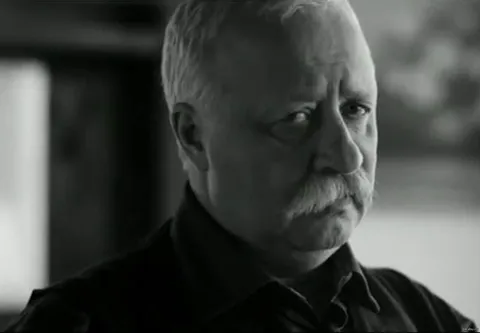
In 2017, an advertisement for frozen semi-prepared foods that featured the word "chevapchichi" became popular on the Russian-speaking internet. The clip stood out for its emphatically emotional delivery, and the pronunciation of the name became a subject of jokes. The exact advertiser and the release date of the clip are not known.
What stuck was the name itself. Complex and unfamiliar to Russian ears, it began to be distorted in speech and comments, and variants like "chivapchichi" became established as a form in their own right. Users started repeating the word as a joke, and the clip itself spread across video hosting sites and social media.
How the joke caught on
The meme's mechanism is built on repetition. The same term is heard in the ad, then in the comments, and then in everyday speech, where it's used with no connection to food at all. This makes the word a marker of recognition: it's enough to say it for the other person to understand the reference.
Parodies and editing played a significant role. Users re-voiced the clip in their own way, rearranged the words, and dropped the name into unexpected contexts. This practice is typical for advertising memes, where the ad itself becomes material for reworking, and interest in the original product gives way to word play.
Variants and usage
The word is most often used as a joking remark in response to something confusing or unexpected. It suits describing a strange dish, a hard-to-pronounce name, or a situation where someone keeps repeating the same phrase. Sometimes it's used as a synonym for ridiculous fuss.
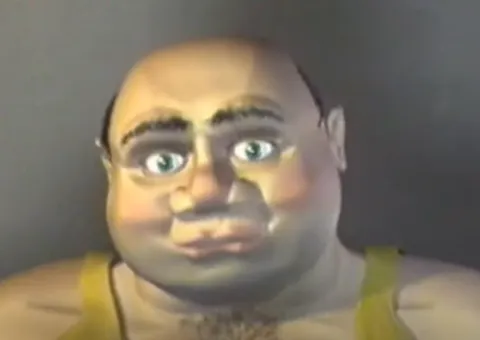
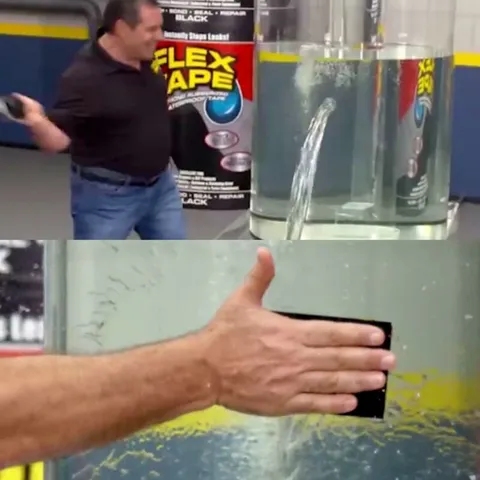
In some cases, the meme overlapped with other advertising memes featuring characters who behave in an exaggeratedly expressive way. Such combinations show that viewers remember not just the product but the emotion it was delivered with. For many users, the name became a kind of password into shared humor.
What this meme shows
Chevapchichi is interesting as an example of how an advertisement can escape the bounds of the screen. The clip sold frozen food, but what was remembered was the word itself, and a standalone culture of quoting it grew up around it. This is a typical case for the Russian internet of the 2010s, when advertising copy became material for memes.
Information about the origin of the name and about Balkan cuisine is confirmed by general descriptions of the dish, while the details of the clip itself, its creators, and the scale of its spread remain partly unconfirmed. The description therefore relies on general observations of how advertising memes work.