A public figure and a wave of discussion
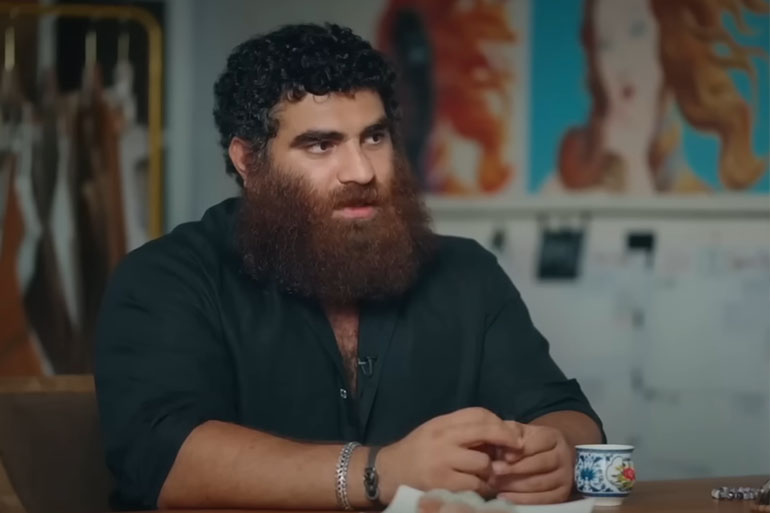
Arsen Markaryan is a Russian-language blogger who became prominent through videos and talks on self-development, relationships, and the male role. In June 2024, his remarks on gender relations set off a noticeable wave of posts and jokes. This date refers to the surge of discussion, not to the start of his career. Commentary on his public image often mixes quotes, paraphrases, and opinions, so specific wording should be checked against a recording of the talk before it is attributed to him.
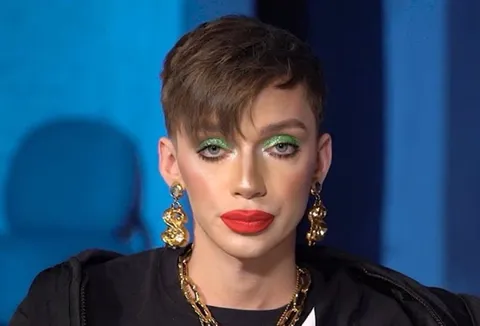
In the local image, a man in glasses, a dark jacket, and a red scarf stands on a snowy road. The backdrop of bare trees and the winter clothes give the frame a stern look, but say nothing about where or when it was taken. This is a portrait shot, not proof of a real event and not confirmation of a caption from a third-party post. The article is about the meme image and the ways it is used; it does not establish biographical details from a photograph.
Confident tone as a target of parody
Reaction captions usually pit an emphatically serious pose against an everyday topic or a categorical piece of advice that does not fit the situation. A portrait with a direct gaze is easy to turn into an "expert" ready to hand down a verdict on any question. The humor comes from the gap between the scale of the authoritative delivery and the pettiness of the subject. To avoid distorting the record, it is better to mock the rhetorical manner, or the online habit of turning a personal opinion into a universal recipe, than to invent words for the person.
Since this is a real person, a meme caption must not be treated as a factual quote. Be especially careful with accusations, medical characterizations, or personal relationships: the portrait does not confirm any of them. The satirical frame should be clear to the reader without any added false details.
Captions without invented quotes
For example, under a photo of a textbook: "When you asked for 'one short tip' and he's already drafting a twelve-week program." The caption jokes about the habit of inflating a simple request into a system. For a work chat: "He looked at the expense spreadsheet as if he already knew the universal fix for lunch deliveries." Here the author deliberately speaks about the stylization of the frame, without putting a specific line in a real person's mouth.
A third example carries the device over to an impersonal situation: "When the app rearranged every button after an update and an interface expert showed up in the comments." You can use the portrait only if the context makes it clear that this is about a meme image, not about the blogger's real advice. The examples were made up for this article; they are not quotes from his videos.
Context matters more than a single portrait
This meme works best in discussions of internet rhetoric: categorical statements, info-products, or self-assured comments on any topic. If you refer to a specific statement by Markaryan, put it in your own words and check the full context; otherwise the joke becomes the spread of a false quote. For a universal version, you can drop the name and replace the person with a fictional "expert," keeping the same serious pose and everyday question.
Do not use the image for threats, harassment, or claims about actions that sources do not support. The picture may be old or taken in a different context, and a facial expression does not reveal beliefs. The most accurate joke targets the public manner of reasoning, not the person's looks or private life.